About Hibiscus mutabilis L.
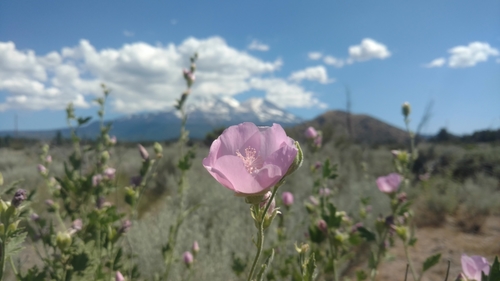
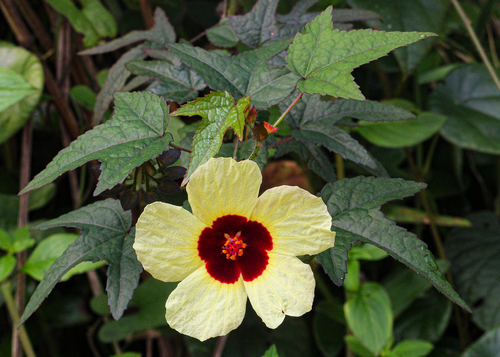
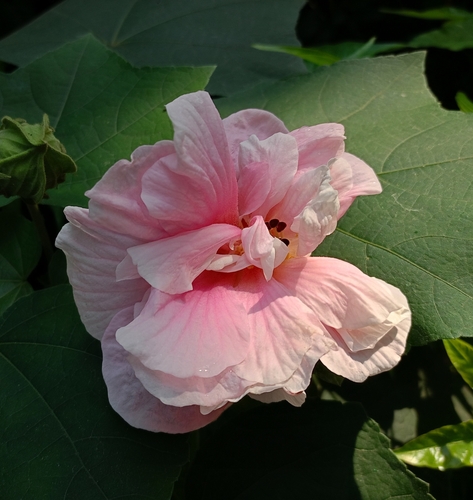
Hibiscus mutabilis L., commonly called cotton rose, is a semi-deciduous plant with palmately lobed leaves. In USDA zones 9 and 10, it typically grows as a large shrub or takes on a treelike form, while in regions further north, it stays a smaller, more modest shrub. Its stems and petioles are covered in dense stellate and glandular hairs. Cotton rose flowers may be single or double, and measure 4–6 inches (10–15 cm) in diameter. Flowers open white or pink, and change color to deep red by evening; the 'Rubra' cultivar produces red flowers. Single flowers are generally cup-shaped, and the bloom season usually runs from summer through fall. In climates where frost does not occur, cotton rose can reach 12–15 ft (3.7–4.6 m) in height and develop a woody trunk. However, a much bushier growth form reaching 5–6 ft (1.5–1.8 m) high is more typical, and this form produces more flowers. The flowers attract pollinators, including the specialized bee Ptilothrix bombiformis. For cultivation, propagation via root cuttings is the easiest method, and is usually done in early spring, though cuttings can be taken at almost any time of year. Cotton rose has a very fast growth rate. It grows well in full sun or partial shade, and prefers rich, well-drained soil. It can thrive in the southern parts of the United States, which led to its association with the 1861–1865 secessionist movement known as the American Confederacy, giving it an alternative common name in some areas. When cultivated in the United Kingdom, Hibiscus mutabilis has earned the Royal Horticultural Society's Award of Garden Merit.