About Hibiscus cannabinus L.
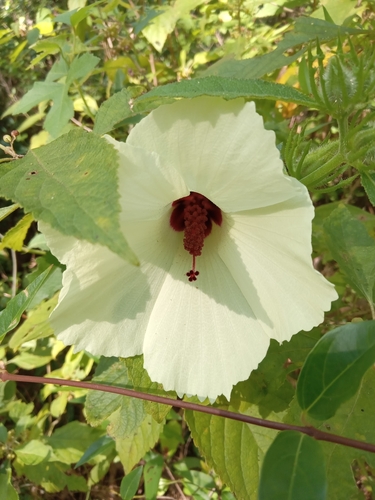
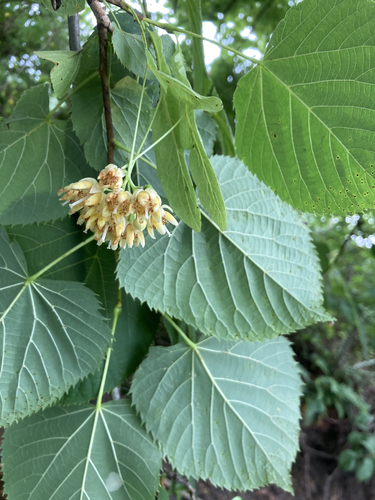
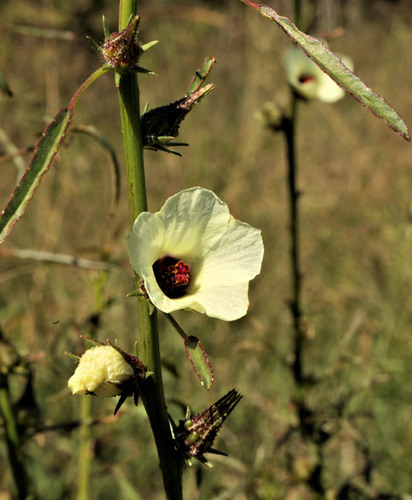
Hibiscus cannabinus L., commonly known as kenaf, is an annual or biennial herbaceous plant, rarely a short-lived perennial. It grows 1.5–3.5 m (4.9–11.5 ft) tall, with a woody base and stems that are 1–2 cm (0.4–0.8 in) in diameter, which are often but not always branched. Its leaves are 10–15 cm (4–6 in) long and variable in shape: leaves near the base of stems are deeply lobed, with 3 to 7 lobes total, while leaves near the top of stems are shallowly lobed or unlobed and lanceolate in shape. Its flowers are 8–15 cm (3–6 in) in diameter, with a base color of white, yellow, or purple; white and yellow flowers have dark purple centers. The fruit is a capsule 2 cm (0.8 in) in diameter that holds several seeds. Kenaf is cultivated for its fiber in India, Bangladesh, the United States of America, Indonesia, Malaysia, South Africa, Vietnam, Thailand, parts of Africa, and to a small extent in southeast Europe. Stems of kenaf produce two types of fiber: a coarser bast fiber in the outer layer, and a finer fiber in the core. Bast fibers are used to make ropes, and kenaf matures in 100 to 200 days. Kenaf was first grown in Egypt over 3000 years ago, when its leaves were eaten by humans and fed to animals, while its bast fiber was used to make bags, cordage, and sails for Egyptian boats. This crop was not introduced to southern Europe until the early 1900s. Today, while the principal farming areas are China and India, kenaf is also grown in the US, Mexico, and Senegal. The main historical uses of kenaf fiber have been rope, twine, coarse cloth similar to cloth made from jute, and paper. In 1992, 3,200 acres (13 km2) of kenaf were grown in California, Texas, Louisiana and Mississippi, and most of this crop was used for animal bedding and feed. Modern uses of kenaf fiber include engineered wood, insulation, clothing-grade cloth, soil-less potting mixes, animal bedding, packing material, and material that absorbs oil and other liquids. Cut kenaf bast fiber is also useful for blending with resins to make plastic composites, as an additive to prevent fluid loss in oil drilling muds, and in seeded hydromulch for erosion control. Kenaf can be made into various environmental mats, including seeded grass mats for instant lawns and moldable mats for manufactured parts and containers. Panasonic has opened a plant in Malaysia to manufacture kenaf fiber boards for export to Japan. As part of broader efforts to make vehicles more sustainable, Ford and BMW now use kenaf as part of the material for automobile bodies. The first use of kenaf in a Ford vehicle was in the 2013 Ford Escape, and the BMW i3 uses kenaf in its black body surrounds. The use of kenaf is expected to offset 300,000 pounds of oil-based resin per year in North America, and reduce the weight of door bolsters by 25 percent. In 2021, it was reported that Kenaf Ventures, an Israeli company, is developing and producing sustainable raw materials made from the kenaf plant (Hibiscus cannabinus) to decarbonize the construction sector without reducing product quality.