About Heteroconger longissimus Günther, 1870
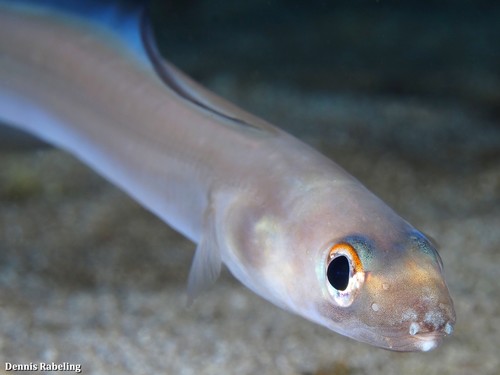
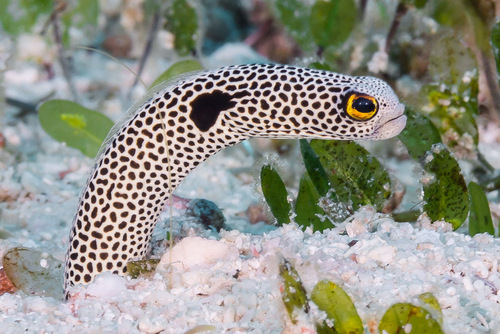
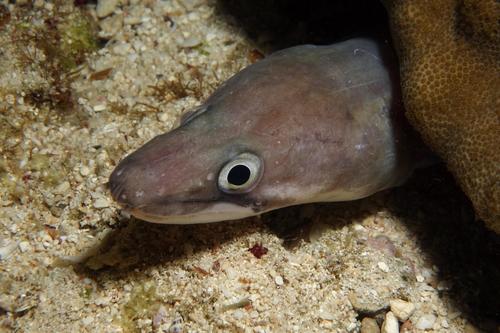
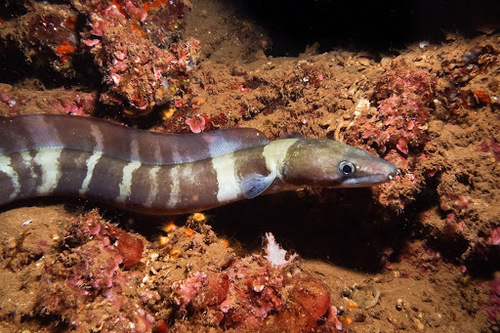
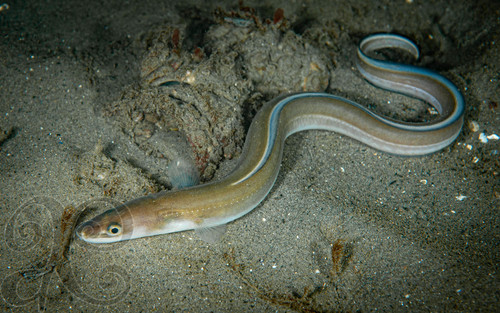
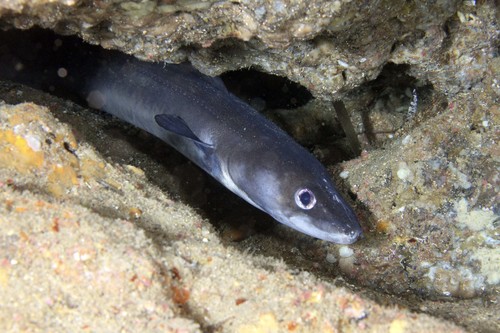
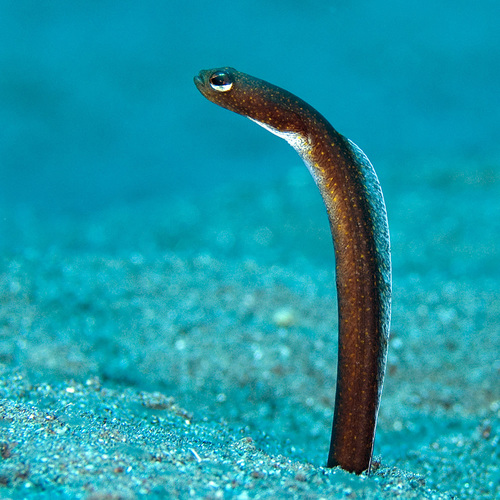
The brown garden eel (Heteroconger longissimus), also commonly called simply the garden eel, is an eel that belongs to the family Congridae, which includes congers and garden eels. It was first described by Albert Günther in 1870. This is a tropical marine eel found in both the eastern and western Atlantic Ocean, with known locations including Madeira, the Canary Islands, Senegal, the Bahamas, the Florida Keys, the Caribbean, Mexico, Belize, Honduras, and Brazil. It lives at depths between 10 and 60 meters, and is most commonly found at 20 to 60 meters. It is nonmigratory and has a benthic lifestyle, living in colonies on reefs. Brown garden eels are thought to spawn during the warm season. Their larval developmental stage lasts approximately 6 to 8 months. Fully grown males can reach a maximum total length of 51 centimeters, which equals 20 inches or 1.67 feet. The diet of the brown garden eel is made up primarily of detritus and plankton.