About Hericium cirrhatum (Pers.) Nikol.
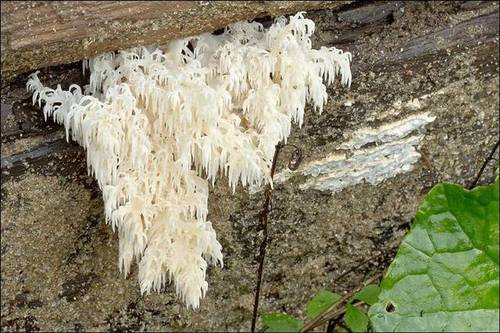
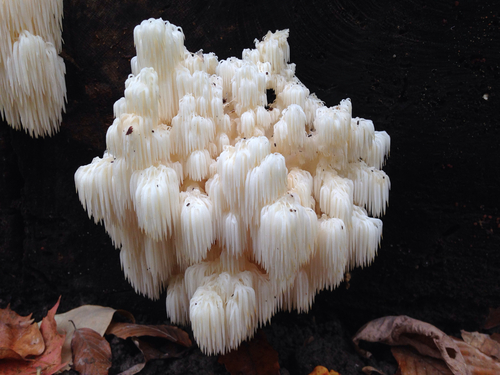
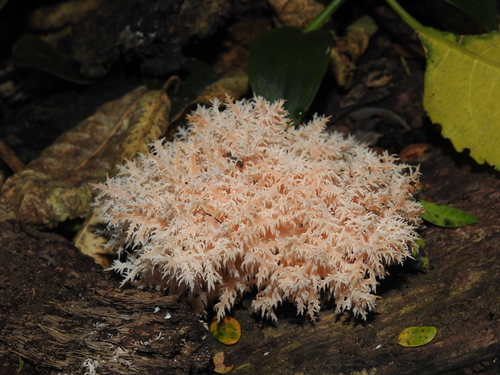
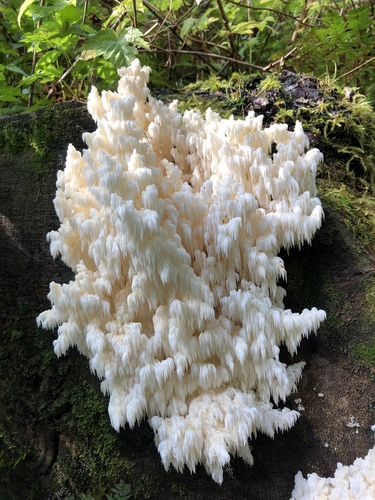
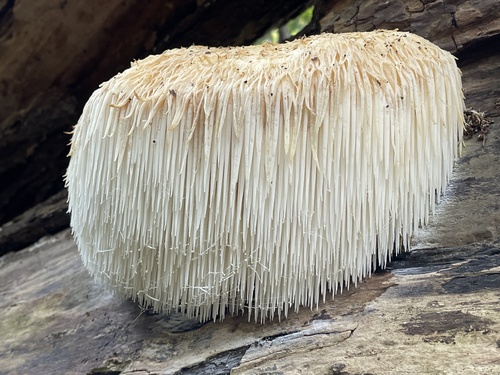
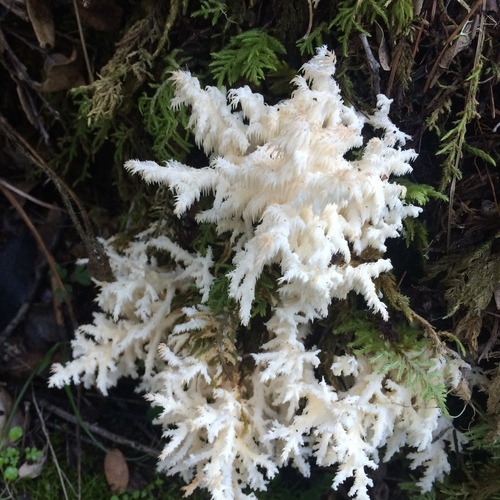
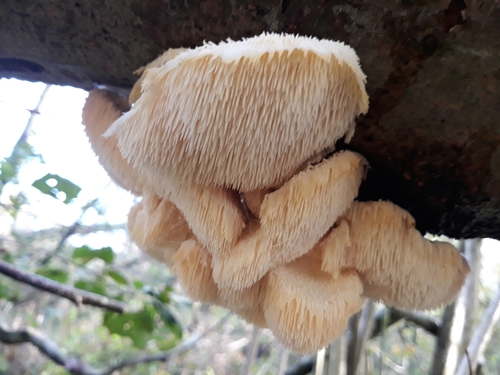
Hericium cirrhatum, officially named Hericium cirrhatum (Pers.) Nikol., is a saprotrophic fungus commonly called the tiered tooth fungus or spine face. This species is edible, and young specimens are considered good eating. Its texture is similar to tender meat or fish. Young fungi have cream-colored flesh and an attractive scent, but older specimens develop a very unpleasant odor. Hericium cirrhatum grows on dead standing hardwood trees, fallen wood, or tree stumps in old established deciduous woodlands. It is most often found on beech (Fagus sylvatica), and has also been recorded growing on sycamore (Acer pseudoplatanus), birch (Betula spp.), ash (Fraxinus spp.), oak (Quercus robur) and elm (Ulmus spp.). In Britain, it can be found from July to November. This species was considered vulnerable, but was removed from the Red Data List in 2006. Although it is a rare species, picking its fruiting bodies is not illegal; however, collectors should limit the amount they gather to support conservation efforts. The NBN Database lists only 176 records of this fungus in Britain, of which only 11 are confirmed. The database shows no records from Scotland, though photographed specimens were found in Kilmaurs, East Ayrshire. Hericium cirrhatum is not common anywhere, but confirmed records confirm its presence in southern England, particularly the New Forest, and in parts of central and southern mainland Europe.