About Hellenia speciosa (J.Koenig) S.R.Dutta
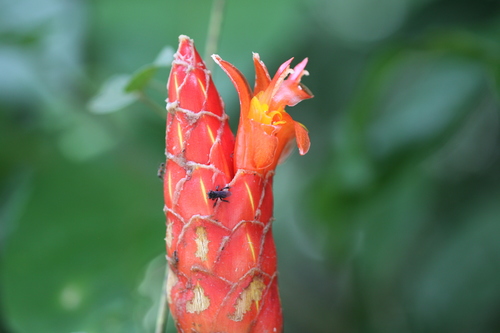
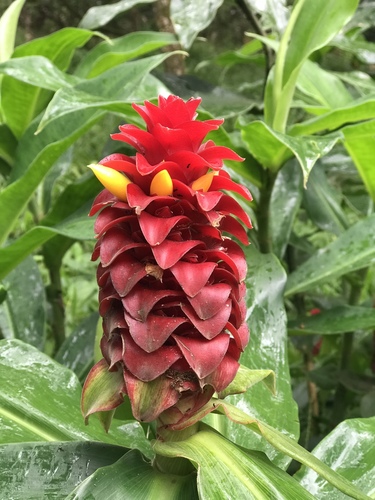
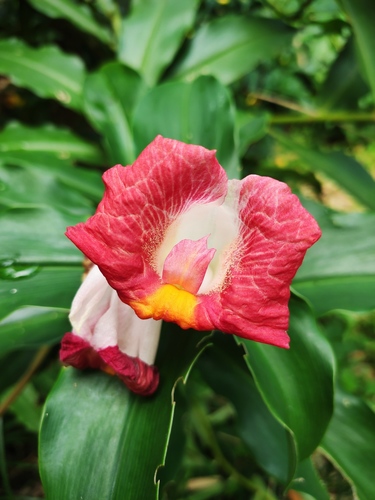
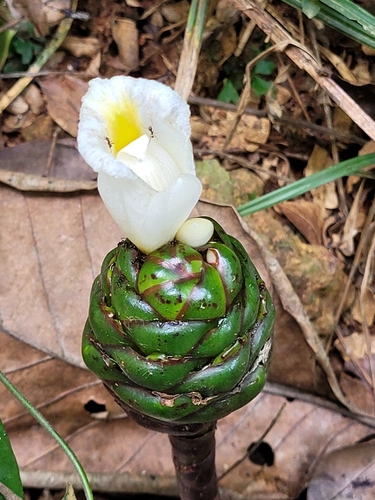
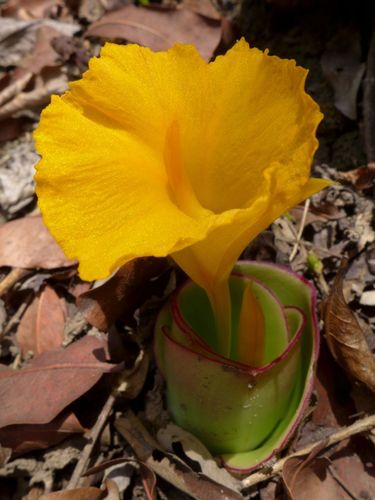
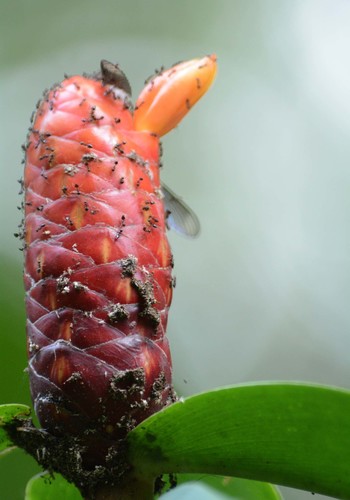
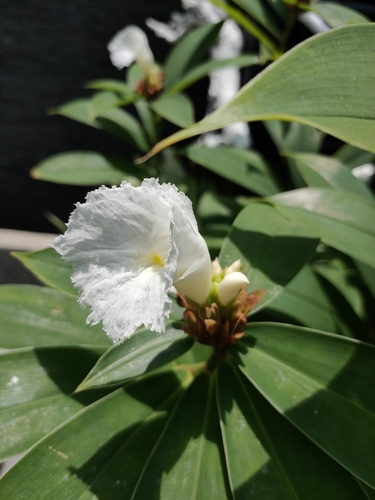
Hellenia speciosa, also previously known as Cheilocostus speciosus, belongs to the Costaceae family. Unlike true gingers, Costaceae species including this one have leaves arranged in a single spiralled row. This species reproduces vegetatively via rhizomes, and birds disperse its seeds after feeding on its fruits. Its flowers have only two stamens: one is functional with a single locule, while the other is petaloid and forms a white, bell-shaped trumpet around the fertile stamen. The plant's true petals are also white and small. Mature plants can reach up to 2 metres (6 ft 7 in) in height. It is cultivated across South Asia and Southeast Asia for medicinal purposes, and grown in other regions as an ornamental plant. In some areas where it has been introduced, Hellenia speciosa has become an invasive species. In its native range, it grows in roadside ditches and low-lying areas within tropical forests. Flowering begins after the start of the rainy season. Caterpillars of the restricted demon butterfly (Notocrypta curvifascia) feed on this plant, which is commonly called crêpe ginger.