About Heliotropium arborescens L.
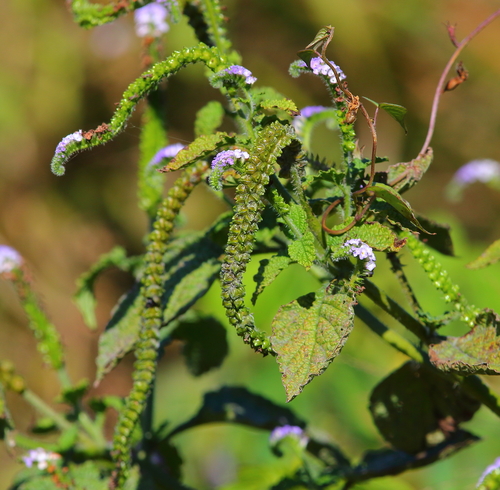
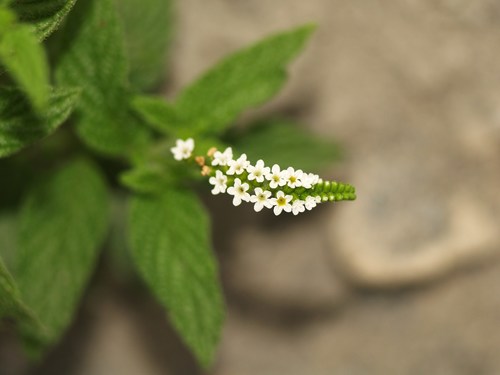
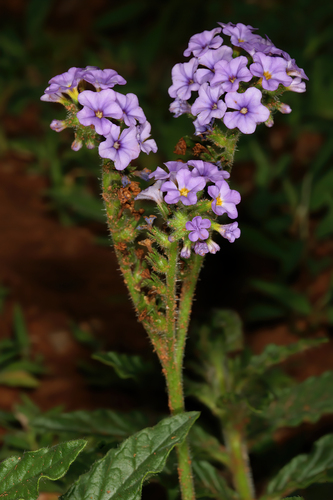
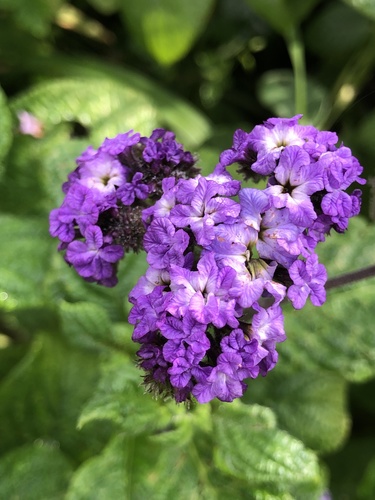
Heliotropium arborescens L. is a bushy, evergreen, short-lived shrub that grows 1.2 m (3.9 ft) tall and wide. It produces dense clusters of bright purple flowers, which are known for their strong, vanilla-like fragrance. Like many plants in the borage family, this species, also called the vanilla flower, contains poisonous pyrrolizidine alkaloids. This species is native to Bolivia, Colombia, and Peru. All parts of the plant contain toxic compounds, and its seeds are poisonous. The ASPCA Animal Poison Control Center lists heliotropes as toxic to horses, and ingestion can cause liver failure in equines. The plant is not very palatable to animals, but it will be eaten if no other forage is available. Poisoning typically happens when animals eat fresh green plant material or dried plant material included in hay. The toxic components cause liver failure in horses, a condition known as "walking disease" or "sleepy staggers". Symptoms of poisoning include weight loss, weakness, drowsiness, yawning, incoordination, yellowish discoloration of the mucous membranes (called icterus), and neurological issues caused by liver failure, which include aimless walking, repeated chewing motions, and head pressing against surfaces. Affected animals may initially appear normal, then become suddenly ill, and the condition progresses quickly over a few days to a week. For humans who ingest any part of the plant, pyrrolizidine alkaloids often cause stomach upset and liver damage. The purple color of the plant's flowers inspired the term "heliotrope cyanosis", which described a symptom seen in severely ill patients during the 1918 flu pandemic. In cultivation, this species is a perennial that is hardy in USDA zones 10 to 11. In zones 9 and colder, it must be moved indoors for the winter. It tolerates temperatures down to approximately 5 °C (41 °F). In cooler zones, it can also be grown as a half-hardy annual: seeds are started under glass, and seedlings are transplanted outdoors after all risk of frost has passed. It can also be propagated from soft-wood cuttings taken in summer. During the Victorian era in England, this plant became widely popular, and was commonly grown in private gardens and in the herbaceous borders of public parks. It was also grown as standard-shaped topiary. A vanilla-scented heliotrope was placed on the coffin of American poet Emily Dickinson. Note that the common name "garden heliotrope" is sometimes also used for valerian, a plant not closely related to Heliotropium arborescens.