About Graphiurus murinus (Desmarest, 1822)
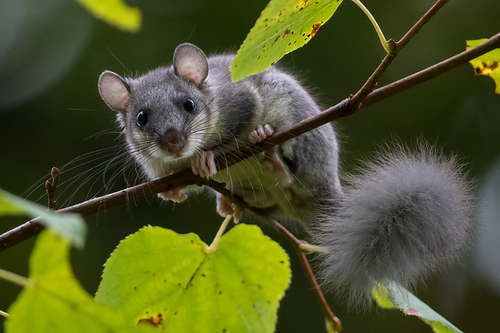
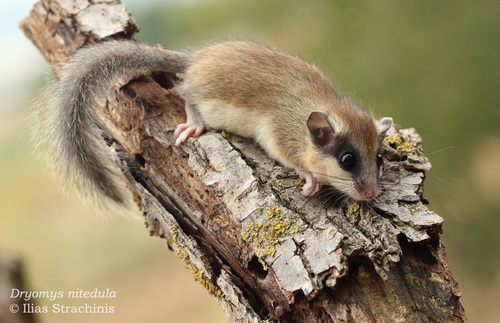
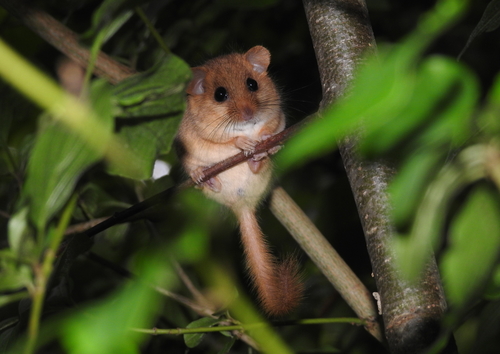
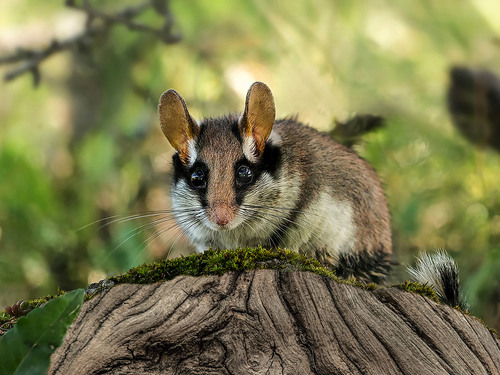
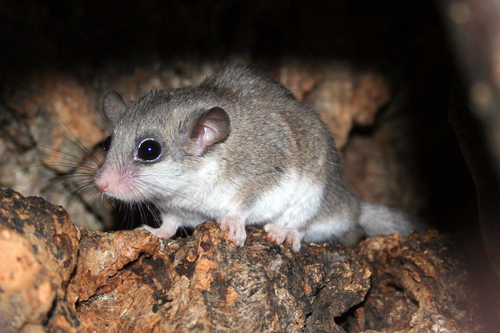
Graphiurus murinus (Desmarest, 1822), commonly called the woodland dormouse, is a small rodent species. It has soft, silky fur, large eyes, whitish cheeks, and rounded brown ears. Its upper body ranges in color from golden to greyish-brown, sometimes with a coppery or reddish tint; some individuals also have a darker streak running along the spine. Its underparts are pale grey, with a wash of white or cream. The hind feet are usually white with a dark streak. Its bushy tail is around 85% as long as the combined head and body length, and matches the color of the dorsal fur. This species is native to Africa, and has been recorded in Burundi, Ethiopia, Chad, Kenya, Lesotho, Malawi, Mozambique, Rwanda, Somalia, South Africa, Tanzania, Uganda, Zambia, and Zimbabwe. It occupies a wide range of habitats, including woodland, grassland, savannah, and rocky areas. In some localities, it occurs in woodland where Combretum plants are the dominant species. It can also be found in degraded and secondary habitats, and sometimes enters human buildings. It is primarily a forest species, and occurs at altitudes between approximately 1,000 and 4,000 m (3,300 and 13,100 ft). Like other members of its dormouse family, Graphiurus murinus is mostly arboreal, but acts as a rock-climbing rodent in some locations. It is omnivorous, and its diet includes insects, other small invertebrates, stems, leaves, flowers, seeds, and fruit. It builds nests, most commonly in tree crevices or tree holes; other recorded nest sites include abandoned swallow nests, human habitations, among mosses and other epiphytes, and the center of bushes, where the globular nest structure has a side entrance. When temperature and food conditions are appropriate, this dormouse can enter a state of torpor.