About Graellsia isabellae Graëlls, 1849
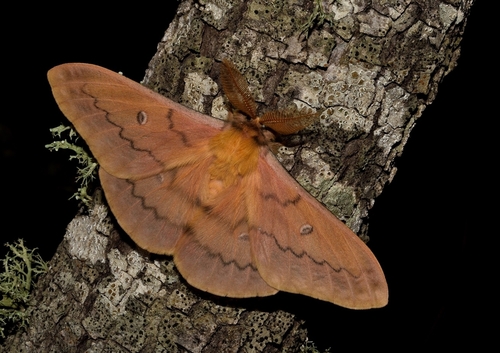
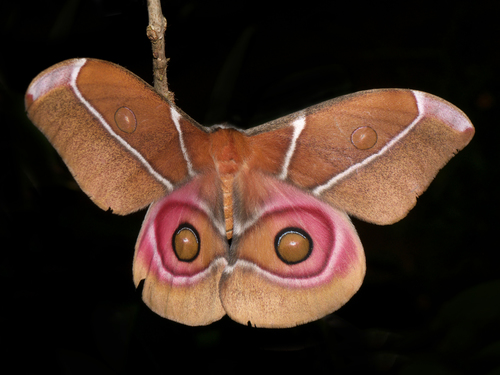
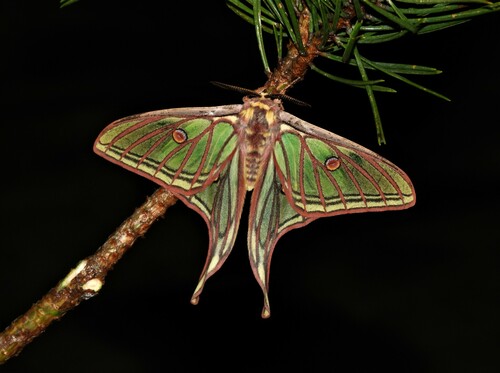
Graellsia isabellae, commonly called the Spanish moon moth, is a member of the silkmoth family Saturniidae. It is the sole species in the monotypic genus Graellsia. The species was first formally described by Mariano de la Paz Graells y de la Agüera in 1849, and the genus Graellsia was erected by Augustus Radcliffe Grote in 1896.
This moth is native to Peninsular Spain and France, where it inhabits high elevations in the Pyrenees and other mountain ranges with cold climates. From the 1920s to the 1970s, early publications proposed that French colonies of Graellsia isabellae might originate from releases by insect collectors, as the species had long been believed to only occur naturally in Iberia. Later field surveys discovered relict populations of the moth in the Alps and eastern Pyrenees, and a 2016 phylogeographic study confirmed that the DNA of these French populations matches ancient Iberian lineages. The current scientific consensus is that French populations are natural post-glacial relicts, and not the result of human introduction. By contrast, Graellsia isabellae is not native to Switzerland; it was illegally introduced to the country at the end of the 1980s.
This moth's populations are considered relictual, dating back at least to the Ice Age. Its high mountain habitats in the Pyrenees are thought to be glacial refuges: over the past several million years, while Europe's climate changed drastically, environmental conditions in these small Pyrenean areas remained consistently stable, allowing small remnant populations of the moth to survive there for thousands of years. Graellsia isabellae split from the lineage of moon moths in the genus Actias.