About Gossypium hirsutum L.
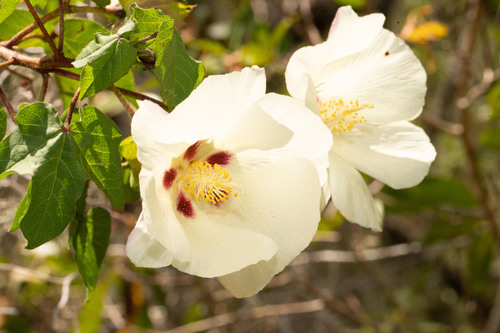
Gossypium hirsutum, commonly called upland cotton or Mexican cotton, is the most widely planted cotton species globally. Around 90% of all cotton production worldwide comes from cultivars derived from this species. In the United States, which is the world's largest cotton exporter, Gossypium hirsutum makes up approximately 95% of the country's total cotton production. It is native to Mexico, the West Indies, northern South America, Central America, and possibly tropical Florida. Researchers believe Gossypium hirsutum formed through polyploidy when wild Mexican cotton populations interbred with Gossypium herbaceum around 5 to 10 million years ago, resulting in a hybrid species with 26 pairs of chromosomes. Archeological evidence from Mexico's Tehuacan Valley shows that this species was being cultivated as early as 3,500 BC. This is the earliest evidence of cotton cultivation discovered in the Americas to date, though no conclusive evidence exists yet for the exact location of its first domestication. Gossypium hirsutum includes multiple varieties and cross-bred cultivars that differ in fiber length and tolerance to various growing conditions. Varieties with longer fibers are called long staple upland, while those with shorter fibers are named short staple upland. Long staple varieties are the most widely grown for commercial production. In addition to being grown as a fiber crop, Gossypium hirsutum (along with Gossypium herbaceum) is one of the main species used to produce cottonseed oil. The Zuni people use this plant to create ceremonial garments, and its fuzz is made into cords for ceremonial use. This species produces extrafloral nectar.