About Glossogobius giuris (Hamilton, 1822)
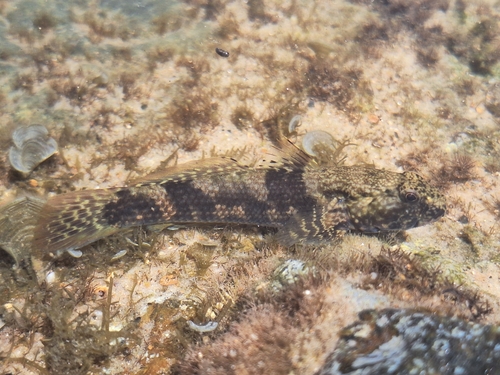
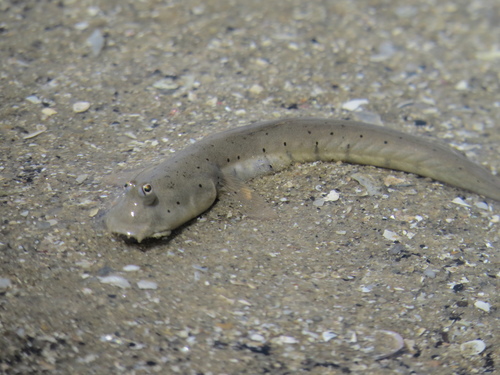
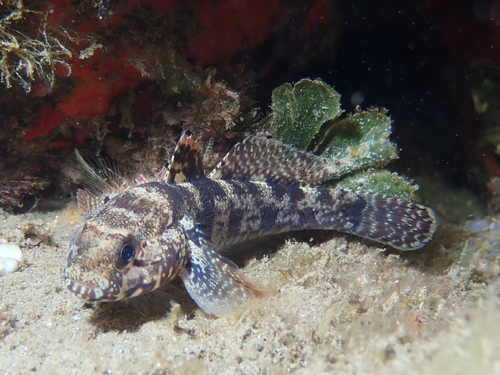
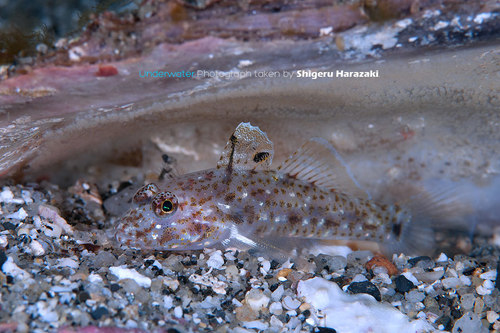
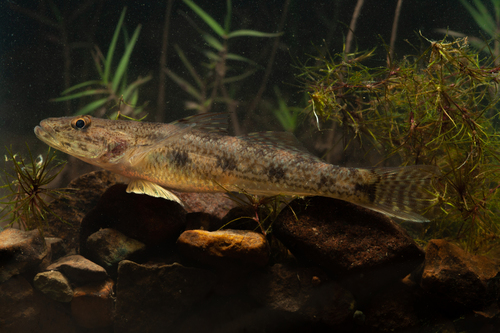
The head of Glossogobius giuris is flattened, with a protruding lower jaw, and the body becomes compressed approaching the caudal fin. Its body is typically brown or light brown, marked with various darker brown spots and flecks along the sides. The species reaches a maximum total length of 40 to 50 centimeters, or 16 to 20 inches.
This is a subtropical goby most commonly found in estuarine habitats, but it also occurs in marine waters, and can be found many kilometers inland in freshwater streams. In Malawi, it has been recorded up to 300 kilometers, or 190 miles, inland. It is a benthopelagic and amphidromous species that inhabits clear to turbid streams with substrates of rock, gravel, or sand.
Glossogobius giuris lays its eggs among submerged vegetation, and both the male and female guard the eggs. It spawns in freshwater; after spawning, current carries the eggs out to the sea, though the species is able to complete its entire life cycle entirely within freshwater. Breeding occurs in summer in South Africa, and takes place during the dry season in northern Australia.