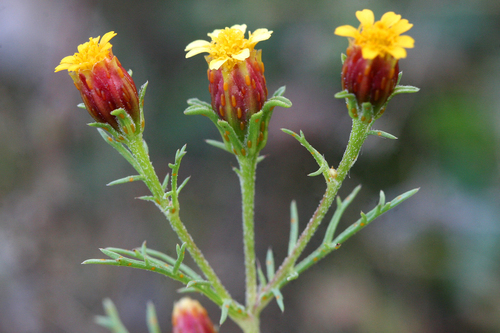
About Glebionis coronaria (L.) Tzvelev
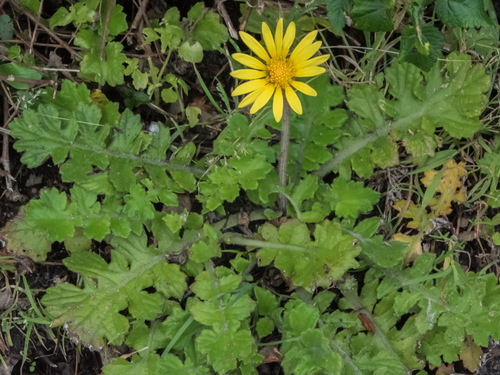
Glebionis coronaria (L.) Tzvelev, commonly known as garland chrysanthemum, is an annual leafy herb. It produces small flower heads grouped with yellow ray florets, and has aromatic, bipinnately lobed leaves. Its seeds are ribbed, winged cypselae. This vegetable grows best in mild or slightly cold climates, and will quickly start premature flowering when grown in warm summer conditions. Its seeds are sown in early spring and fall. Edible portions of this plant are rich in minerals and vitamins, containing 610 mg of potassium per 100 g and 3.4 g of carotene per 100 g. The plant also contains various antioxidants in its stem, leaf, and root tissues that may offer potential long-term benefits for human health, though toxic dioxin properties have been observed in it. Extracts from C. coronarium var. spatiosum have been shown to inhibit the growth of Lactobacillus casei, a beneficial human intestinal bacterium. The greens of Glebionis coronaria are used in many Asian cuisines. Normally only the greens are consumed, but the stronger-tasting stalk can also be eaten. They may be prepared by simmering, steaming, stir-frying, deep-frying, or adding to soups, and will become bitter if overcooked. In Korean cuisine, this plant is called ssukgat (쑥갓), and is used as an ingredient in various soups and stews, as well as in the side dish namul. In Chinese cuisine, it is called tong ho choy in Cantonese, and tóng hāo cài (茼蒿菜) in Mandarin. It is added to stir-fries, stews, casseroles, and hotpots. In traditional Chinese food culture, it is considered "warming," so it was primarily eaten during cold weather. In Japanese cuisine, it is called shungiku (春菊, "spring chrysanthemum"), used in nabemono, mixed into rice, or served as a side dish drizzled with soy sauce and sesame seeds. It is also commonly added to sukiyaki. In Vietnamese cuisine, the greens are known as cải cúc or tần ô, used in canh soup or as a side dish accompanying various noodle soups. When added to a hotpot, it is put in at the last moment to avoid overcooking. In Crete, local people eat the tender shoots of a local variety called mantilida (μαντηλίδα) raw or steamed as part of Greek cuisine.