About Gerygone levigaster Gould, 1843
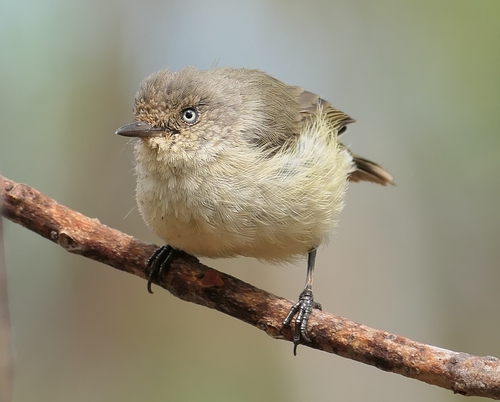
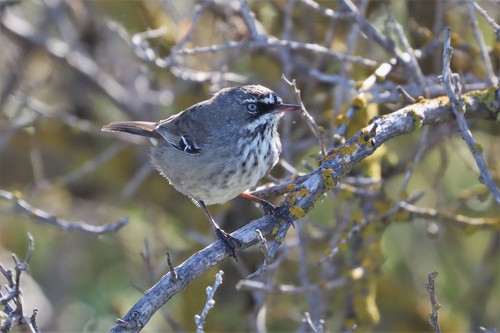
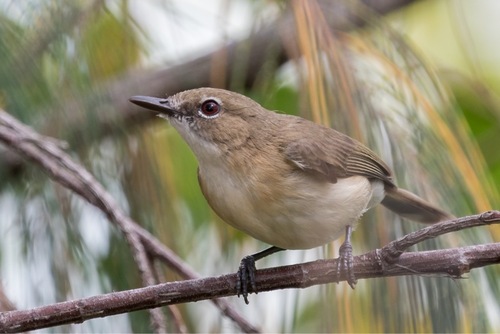
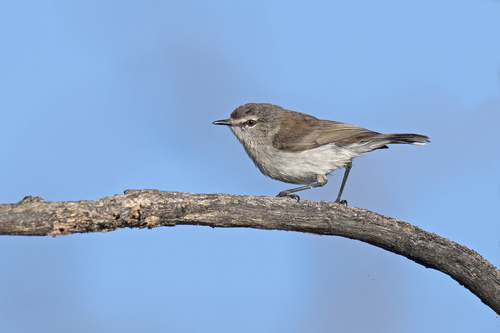
The mangrove gerygone (scientific name Gerygone levigaster Gould, 1843) is a species of bird in the Australian warbler family Acanthizidae. It is also commonly called the mangrove warbler. This species is thought to form a superspecies with two closely related species: the fan-tailed gerygone of Melanesia, and the Australian western gerygone. There are three recognized subspecies of mangrove gerygone. G. l. pallida occurs in southern New Guinea, where the species as a whole is uncommon. The nominate race, G. l. levigaster, also known by the alternative name Buff-breasted Flyeater (Ethelornis Levigaster), ranges from coastal Western Australia to coastal north Queensland. G. l. cantator ranges from coastal Queensland to New South Wales. This species has experienced some population declines due to mangrove clearances, but it is not considered threatened by the IUCN. Mangrove gerygones are primarily found in mangrove forests, as well as forests and woodlands directly adjacent to mangroves. They will move into nearby inland forests from mangroves to feed, especially during the breeding season. Where their range overlaps with the large-billed gerygone in the Kimberley, mangrove gerygones are displaced from mangroves and instead live in scrubland dominated by paperbarks and acacia. As a typical member of the genus Gerygone, the mangrove gerygone is a small bird with rounded wings, measuring 9–11 cm in total length and weighing around 6 grams. Its upper plumage is grey, while its throat, belly, flanks and rump are white. It has a distinct white stripe above the eye. Its bill and legs are black, and its iris is red. Subspecies differ slightly in appearance: G. l. pallida is slightly browner on its upperparts, and G. l. cantator is slightly larger and heavier than the other subspecies. Its song, which is similar to that of the western gerygone, has been described as "sweet, rich, tuneful". The mangrove gerygone feeds on insects in tree foliage; recorded insect prey includes beetles, grasshoppers, wasps, ants, and moths. It is less likely to catch insect prey in flight than other gerygone species, but it will join mixed-species feeding flocks alongside white-eyes, honey-eaters, and fantails. It mostly feeds in the tree canopy, but will also forage among mangrove roots. Mangrove gerygones can breed throughout the year, although breeding is concentrated in spring and summer in eastern Australia, and during the dry season in northern Australia. Only the female builds the oval, domed nest. The nest is made from roots, grass, spider webs, moss, seaweed, and bark, and hangs from mangrove branches. Clutches contain two to three eggs, which are incubated for 14–17 days. Both parents feed the hatched chicks for an additional 14–17 days after hatching. Multiple cuckoo species are brood parasites that lay their eggs in this species' nests.