About Geranium viscosissimum Fisch. & C.A.Mey.
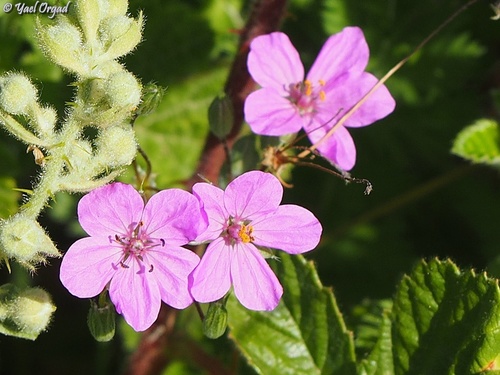
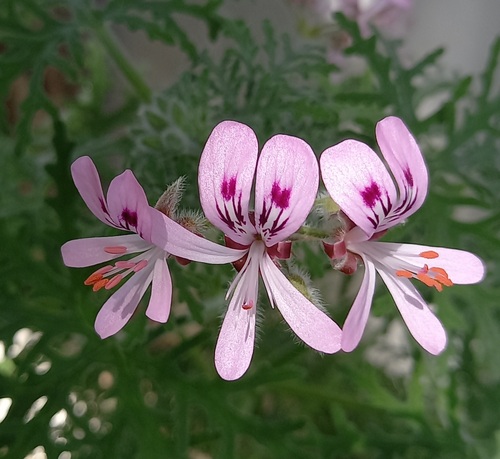
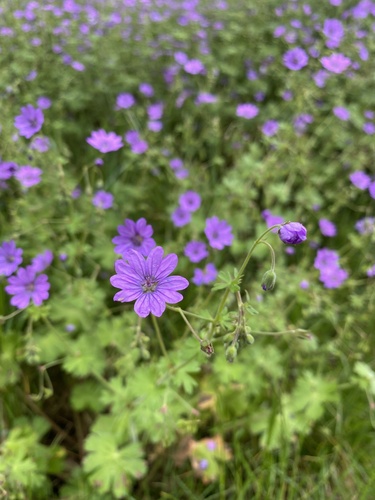
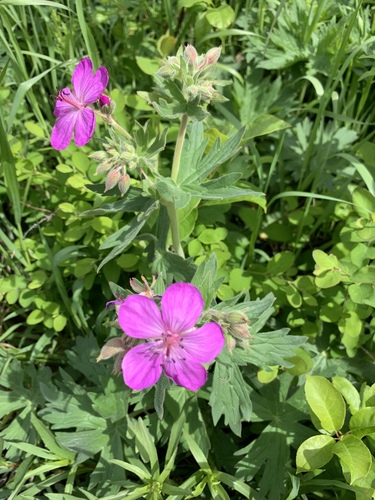
Geranium viscosissimum Fisch. & C.A.Mey. is a large, clump-forming perennial wild geranium that grows 0.5–3 feet (0.15–0.91 m) tall. The stems, leaves, and flower stalks are covered with sticky hairs. Its bright-green leaves are dissected, many-toothed, and deeply lobed. The bloom period runs from April to September, varying by elevation and latitude. It produces saucer-shaped pink-to-purple flowers 1.5 inches (3.8 cm) across, with reddish-purple lines on the petals. The flowers grow in open clusters near the top of strong, branching, leafy flower stalks that stand 1–2 feet (0.30–0.61 m) tall. This herbaceous perennial is native to the Northwestern United States, California, Nevada (including the Great Basin and Rocky Mountains regions), and Western Canada (including the Canadian Rockies). It can be found in habitats including ponderosa pine forests, northern juniper woodland, lowland to higher elevation meadows, and wetland-riparian zones, growing at elevations from 3,300–8,200 feet (1,000–2,500 m). The flowers and leaves of this species are edible, but are reported to be astringent. Flowers can be added to salads or used as a garnish. For medicinal use, Blackfeet Indians used an infusion from this plant to treat diarrhea, gastric upset, and urinary irritations. The root of the plant is astringent; it was dried and powdered by Native Americans to stop external bleeding. An infusion of the leaves has also been used to treat colds and sore throats. The leaves and roots have been made into a poultice, and an infusion from this preparation is used to treat sore eyes. Geranium viscosissimum is cultivated as an ornamental plant by specialty plant nurseries for use in native plant and wildlife gardens, and it attracts butterflies.