About Geranium sanguineum L.
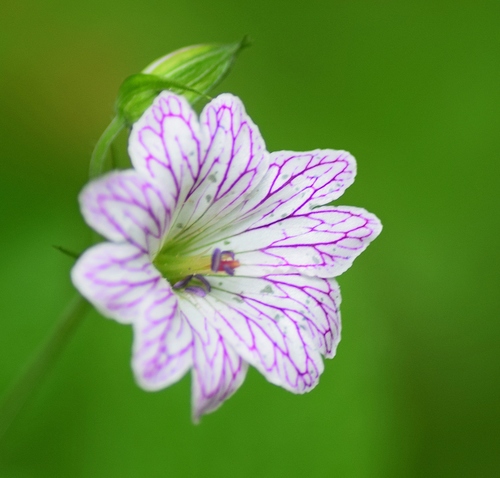
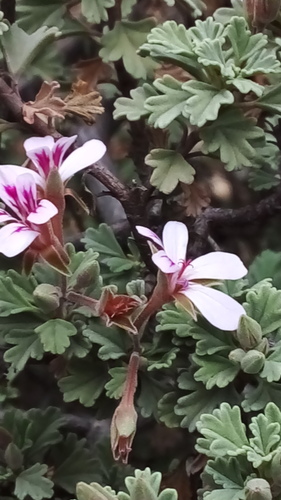
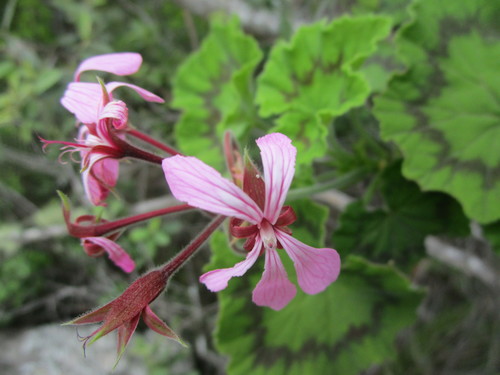
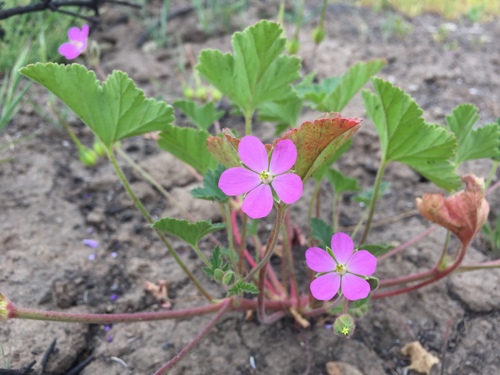
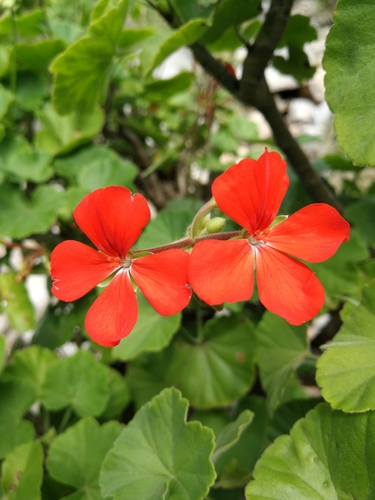
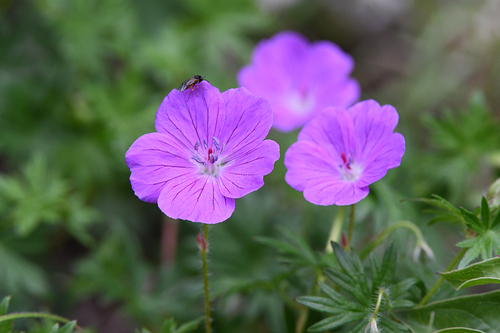
Geranium sanguineum L. is a hemicryptophyte, meaning its overwintering buds sit just below the soil surface, and its floral axis is more or less erect with a small number of leaves. It grows from a thick rhizome. Its stems range from prostrate to ascending, are well developed, heavily branched, and covered in hairs. On average, the species reaches 30–50 centimetres (12–20 in) in height. Its petiolate leaves are divided into five lobes (or segments); each segment is itself tripartite and edged with large teeth. Unlike many other Geranium species, its flowers are produced singly rather than in clusters. Individual flowers measure 2.5–4 cm across, with petals 12–18 mm wide, and are bright crimson in color. Flowering occurs from May through October. The flowers are hermaphrodite and pollinated by insects (entomophily). The most common insect visitors to the flowers are Syrphidae and Hymenoptera, though butterflies and Coleoptera also visit. When ripe, its fruit is a schizocarp that splits into five individual mericarps. Geranium sanguineum is native to most of temperate to subarctic Europe and western Asia. It is also commonly found as a garden escape in areas outside its native range. It typically grows in grassland, and is especially abundant on coastal sand dunes. It can also be found in open woodland on calcareous soils, including on rocky slopes. It prefers soils with a neutral pH and low nutrient content, and grows at altitudes ranging from 0 to 1,200 metres (0 to 3,937 ft) above sea level. It is cultivated as a garden ornamental, and multiple distinct cultivars are available. The following cultivars have received the Royal Horticultural Society's Award of Garden Merit: