About Gentianaceae
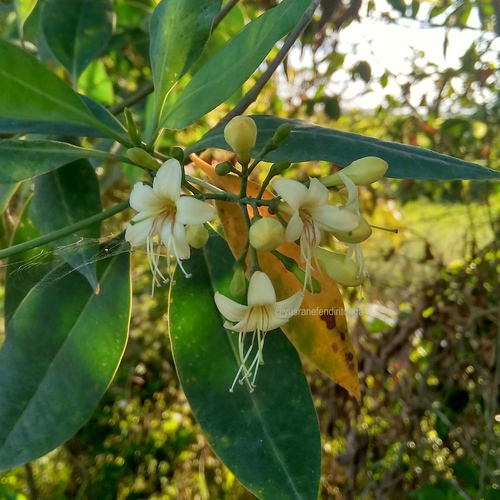
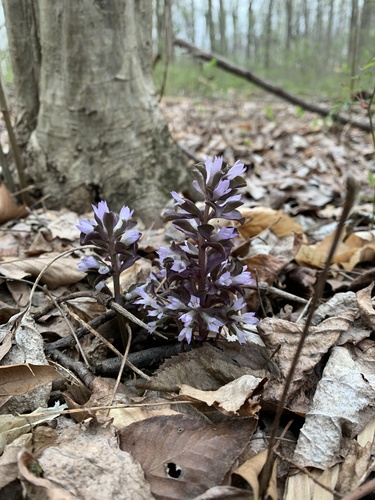
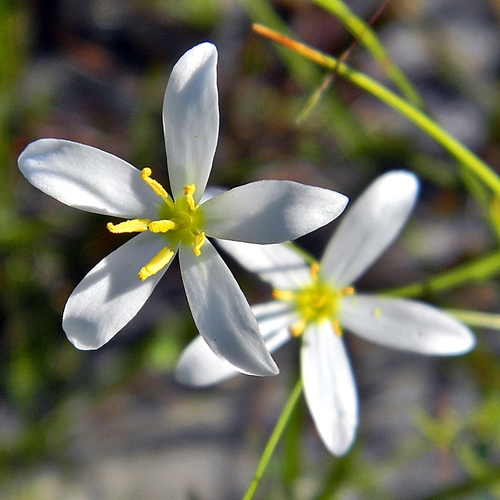
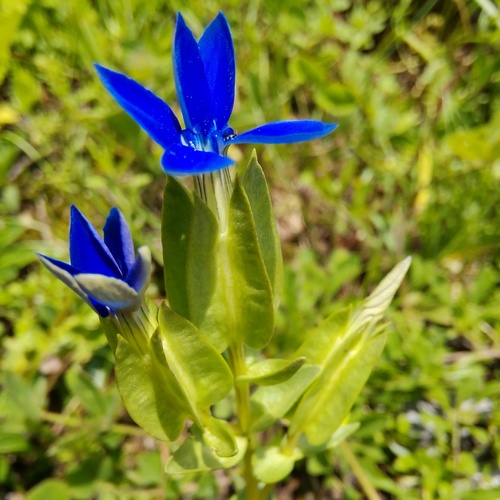
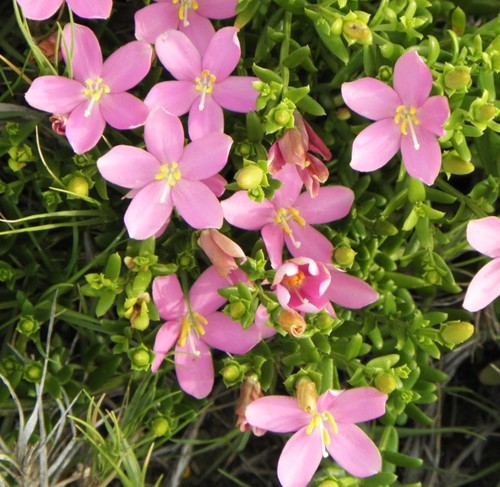
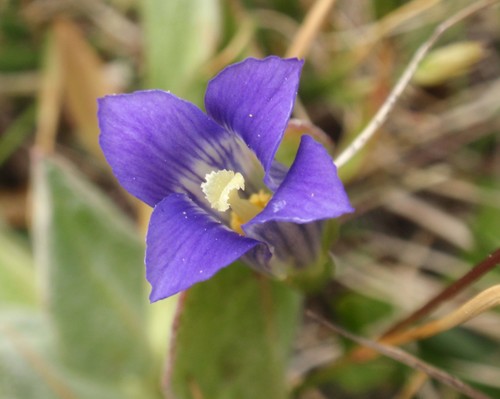
Gentianaceae is a plant family that includes herbs, shrubs, and a small number of trees. Members of this family display a wide variety of flower colors and floral patterns. Their flowers are actinomorphic (radially symmetrical) and bisexual, with fused sepals and petals. Stamens are epipetalous, meaning they are attached to the inner surface of the petals, and alternate with the corolla lobes. A glandular disk sits at the base of the gynoecium, and the flowers have parietal placentation. The inflorescence is cymose, forming either simple or complex cymes. Most fruits are dehiscent septicidal capsules that split into two halves; only rarely do species in this family produce berries. Seeds are small, with a large amount of oily endosperm and a straight embryo. The growth habit of this family ranges from small trees and pachycaul shrubs to herbs, which are the most common form. Stems may be ascending, erect, or twining, and plants are usually rhizomatous. Leaves are most often opposite, less commonly alternate, and occasionally whorled in some species. They are simple in shape, have smooth entire edges, and their bases are connately fused to the stem. Stipules are absent. Plants in this family typically accumulate bitter iridoid substances, and have bicollateral vascular bundles. This family has a cosmopolitan distribution, occurring on every continent except Antarctica. Its highest species diversity is found in temperate and subtropical regions, and species most often inhabit alpine and subalpine habitats. Partial myco-heterotrophy is common across Gentianaceae, and a small number of genera including Voyria and Voyriella lack chlorophyll and are fully myco-heterotrophic. Species in this family use a variety of pollination mechanisms, with pollinators including bees, hummingbirds, bats, and moths. Their seeds are dispersed by mammals, bats, birds, and wind. Although many species have a bitter taste, gentians are eaten by butterfly larvae, moths, beetles, and mammals such as deer. Some genera form ecological interactions with ants. Ants visit nectaries, calyces, and petioles of these plants, and sometimes live inside the plants' hollow stems. These ant interactions occur with species in the genera Fagraea, Anthocleista, Tachia, Chelonanthus, and Swertia. Some gentian species have limited geographic ranges and are protected by government regulations. For example, Gentianella uliginosa (Dune Gentian), which grows only in restricted areas of Wales and Scotland, is listed as a priority species under the United Kingdom's Biodiversity Action Plan. Gentians have been used in traditional medicine for centuries across China, Tibet, India, and Iran. They contain bioactive compounds including xanthones, iridoids, and flavonoids, which give the plants anti-inflammatory, anti-melanogenic, anti-ischemic, anti-fibrotic, and antioxidant properties. In traditional use, gentians are used to treat and prevent dermatological diseases, heavy menstrual bleeding, conjunctivitis, venom poisoning, injuries, infected wounds, and pain and swelling of organs. Active research is currently ongoing into how gentian compounds can be applied in modern medicine.