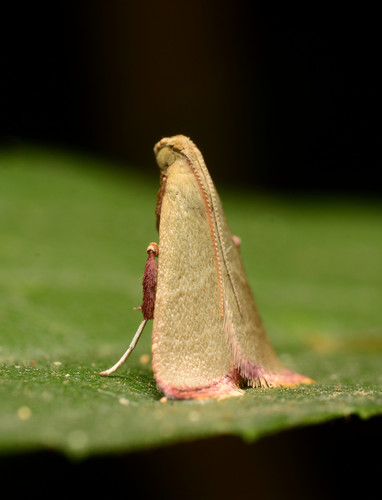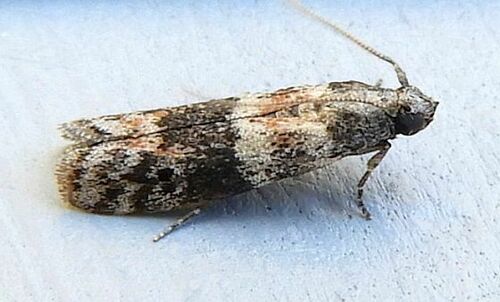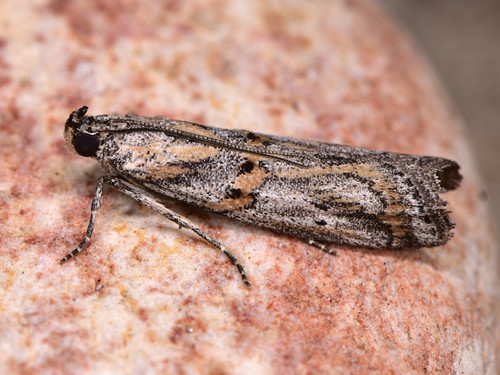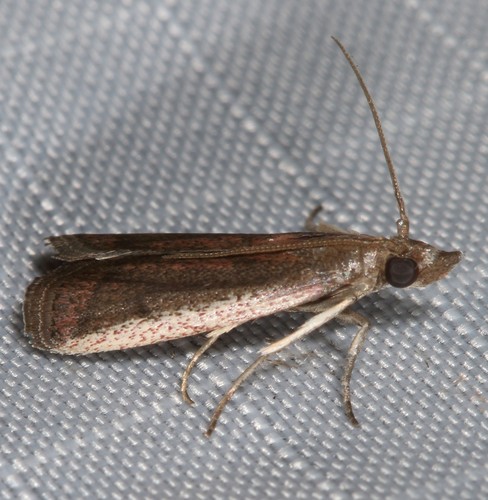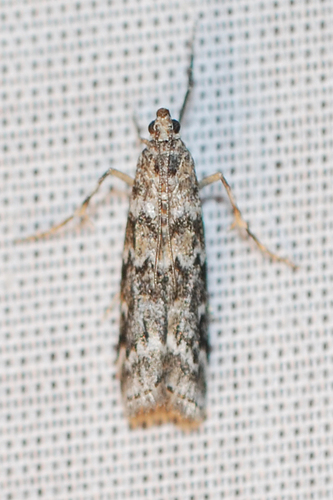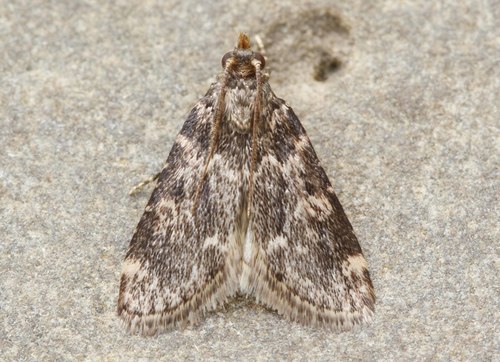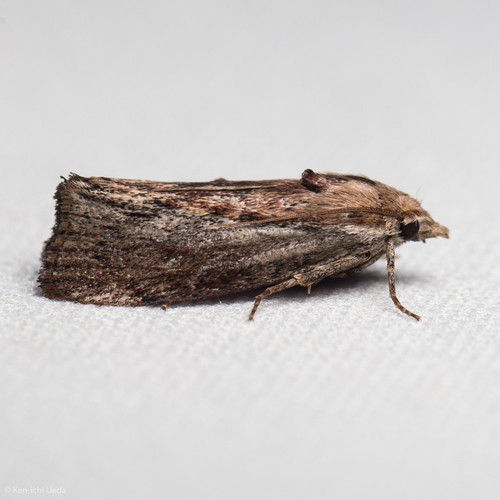
About Galleria mellonella (Linnaeus, 1758)
Galleria mellonella, commonly called the greater wax moth or honeycomb moth, is a moth species belonging to the family Pyralidae. It is one of only two known wax moth species; the other is the lesser wax moth. This species is distributed globally across the entire world. G. mellonella lays its eggs in the spring, and it goes through four distinct life stages over its development. During mating, male greater wax moths produce ultrasonic sound pulses that work alongside pheromones for mating communication. The larvae of this species are frequently used as a model organism for scientific research. The greater wax moth is widely known for parasitizing honeybees and their hives. This parasitization causes significant economic loss, so multiple control methods have been implemented to manage the species, including heat treatment and chemical fumigants such as carbon dioxide. The caterpillar larval stage of G. mellonella has drawn research interest for its ability to degrade polyethylene plastic. G. mellonella was first documented as a pest in Asia, before spreading to northern Africa, Great Britain, parts of Europe, northern America, and New Zealand. It has currently been recorded in twenty-seven African countries, nine Asian countries, four North American countries, three Latin American countries, Australia, ten European countries, and five island countries. It is projected that this pest species may spread even further, particularly due to the effects of climate change. G. mellonella inhabits areas where honeybees are cultivated. Wax moth larvae are commonly raised and sold as a food source for captive pet reptiles and arthropods kept in captivity.