About Forpus cyanopygius (Souance, 1856)
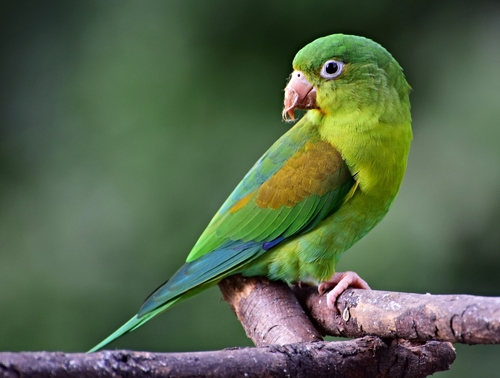
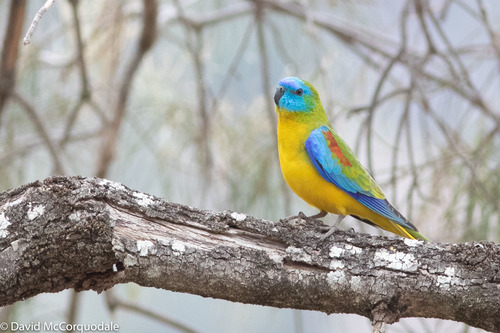
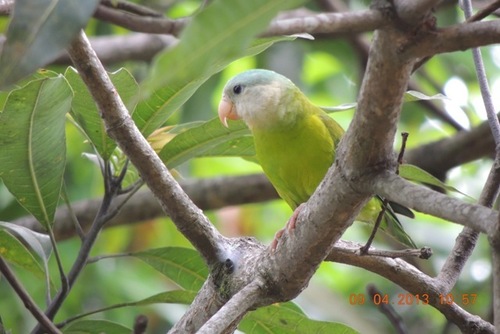
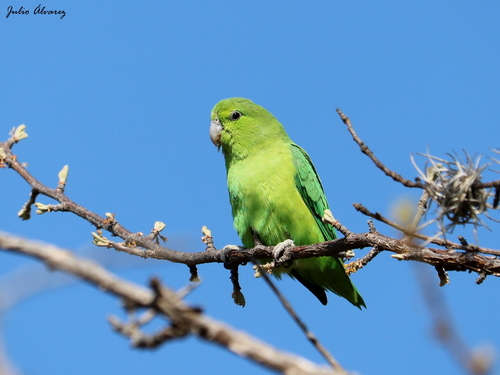
The Mexican parrotlet (Forpus cyanopygius), also called the turquoise-rumped parrotlet or Mexican blue-rumped parrotlet, is a parrot species in the family Psittacidae. This species has two accepted subspecies: Grayson's parrotlet, also known as the Tres Marias parrotlet (F. c. insularis), and the nominate subspecies F. c. cyanopygius.
Mexican parrotlets are endemic to western Mexico, with a range that stretches from southern Sonora to Colima. It is the northernmost species in the genus Forpus. While this species is non-migratory, individuals wander across their range to track the blooming and growth of the plants they prefer to feed on. Their natural habitats include subtropical or tropical dry scrublands, deciduous forests, open grasslands with scattered trees, heavily degraded former forest, plantations, and woodlands located along watercourses. They do not occur at altitudes above 1,300 metres (4,300 ft) above sea level.
Mexican parrotlets typically breed from May to July. Females lay clutches of up to 3 small, white eggs. Eggs are incubated for a minimum of 19 days, and chicks fledge 4 to 5 weeks after hatching. This species usually nests in tree cavities, cacti, and other similar structures. Mexican parrotlets can live for more than 20 years.