About Ficus coronata Spin
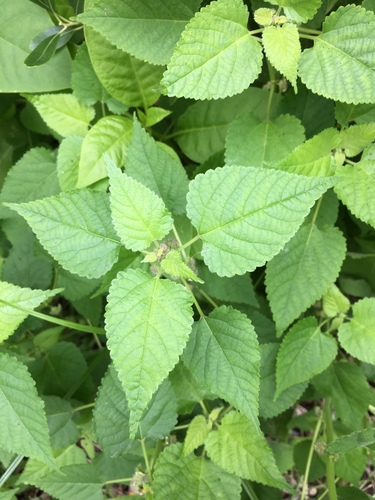
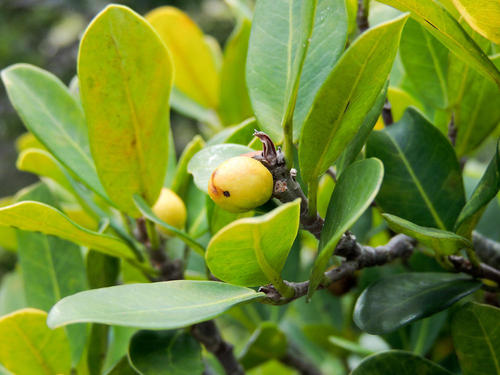
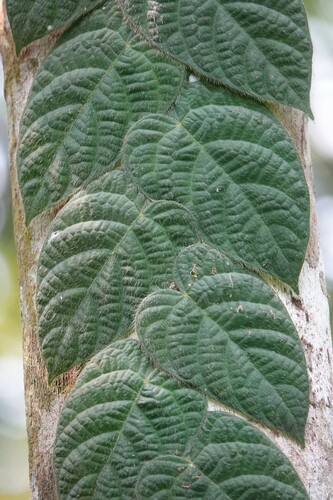
This species, commonly known as the sandpaper fig, has the scientific name Ficus coronata Spin. It is generally a small tree, typically smaller than its maximum recorded size of 6–12 m (20–39 ft) in height and 3–5 m (9.8–16.4 ft) in width. Its trunk is dark brown. Its leaves are ovate or elliptical, measuring 5–15 cm (2.0–5.9 in) long by 2–5 cm (0.79–1.97 in) wide; the upper leaf surface is very scabrous, or rough, like sandpaper. New growth on the tree is hairy. Its succulent, oval fruit is around 1.5 cm (0.59 in) long and covered in dense hairs. The sandpaper fig grows along watercourses and gullies within rainforest, and occurs less commonly in open forest. It may grow in association with the rough-barked apple, Angophora floribunda. It grows on limestone outcrops in Kanangra-Boyd National Park. Its range extends from Mackay southward through New South Wales and into eastern Victoria. In eastern Victoria, it is listed as "threatened" under the Flora and Fauna Guarantee Act 1988. Research has found that the species has recently expanded its range into southeastern New South Wales and Victoria. Ficus coronata acts as a food plant for the caterpillars of two Queensland butterflies: the common/purple moonbeam (Philiris innotatus) and the common crow (Euploea core). Multiple other animals eat its fruit, including the Australasian figbird (Sphecotheres vieilloti), green catbird (Ailuroedus crassirostris), olive-backed oriole (Oriolus sagittatus), topknot pigeon (Lopholaimus antarcticus), and grey-headed flying fox (Pteropus poliocephalus). The fruit of Ficus coronata is edible and palatable, and was eaten by local Aboriginal people. A well-known popular story claims that Indigenous people used the fig's rough leaves as sandpaper to polish wood or turtle shells. Bonsai and fig enthusiast Len Webber reported that the leaves were too brittle and soft to work for this purpose, but a more recent example confirmed that they do work for polishing. The sandpaper fig has attractive leaves that make it a candidate for bonsai cultivation, though its trunk does not thicken on its own spontaneously. It grows well in shaded garden positions, or in indoor spaces with medium to bright light. Like all figs grown in gardens, sandpaper figs attract birds, including silvereye species and rainforest pigeons.