About Festuca idahoensis Elmer
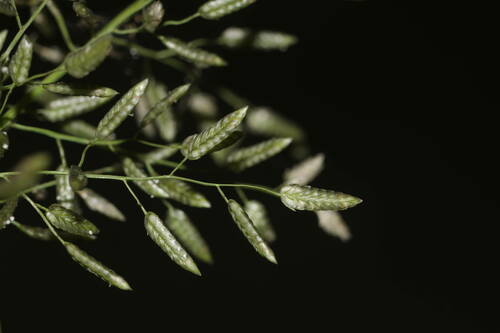
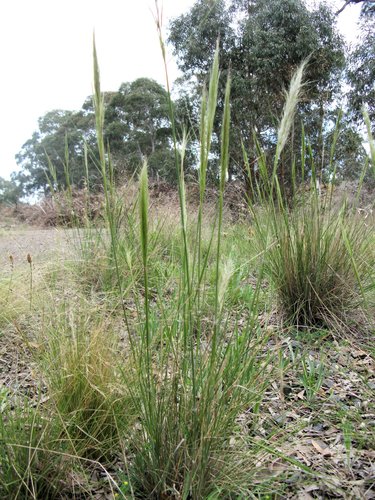
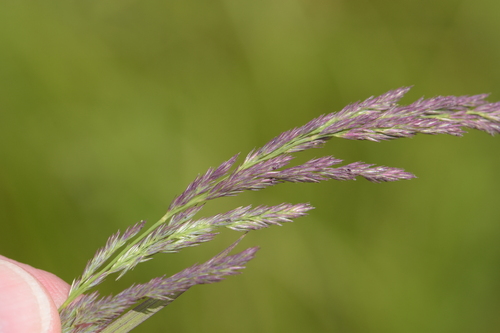
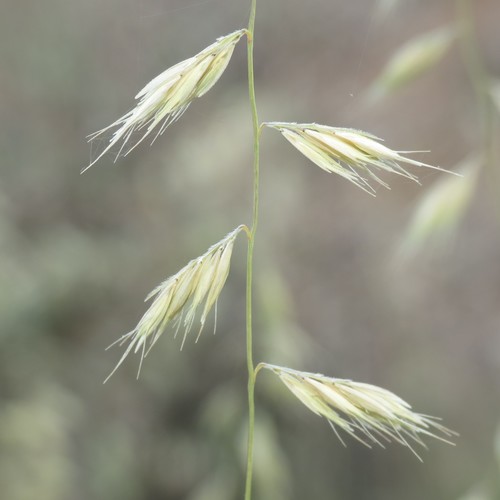
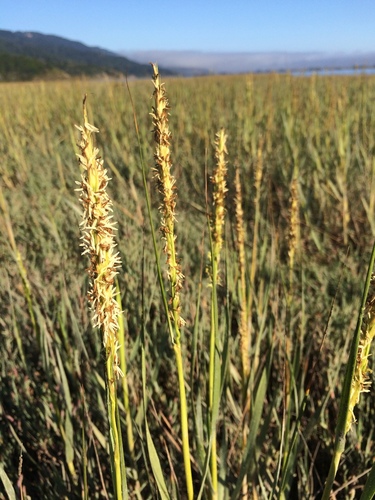
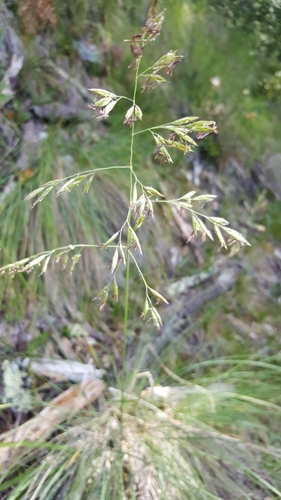
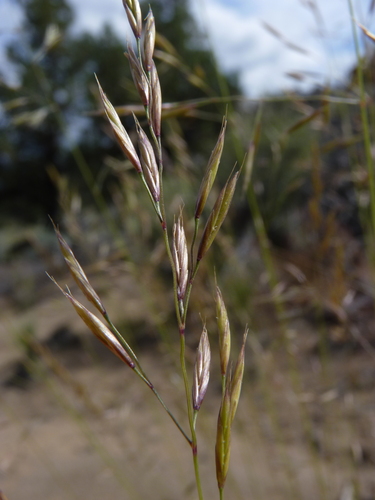
This fescue, scientifically named Festuca idahoensis Elmer, is a densely clumping, long-lived perennial bunch grass. Its stems grow between approximately 30 and 80 centimetres, which is 12 to 31 and a half inches, tall. Its stiff, short, rolling leaves are mostly found near the base of the grass tuft. The plant’s inflorescence bears hairy spikelets that produce large awned fruits. It has a thick root system that penetrates deeply into soil, and its roots host symbiotic mycorrhizae. It does not grow rhizomes, and reproduces via seeds and budding tillers. It resembles Poa secunda, but is generally taller and larger than that species. In ecological settings, this species can grow in well-developed soils alongside ponderosa pine. It is a nutritious forage grass that is preferred by both wild and domestic animals. In far west coastal prairies, its typical native grass associates are Danthonia californica, Deschampsia caespitosa and Nassella pulchra. It is a popular larval host plant, hosting caterpillars of Lindsey's skipper, sandhill skipper, Sonora skipper, woodland skipper, and western banded skipper. Festuca idahoensis subsp. roemeri is a preferred host plant for many Castilleja species, including the rare Castilleja levisecta. In cultivation, the horticulture industry produces cultivars like "Siskiyou Blue" for use in landscape design and gardens.