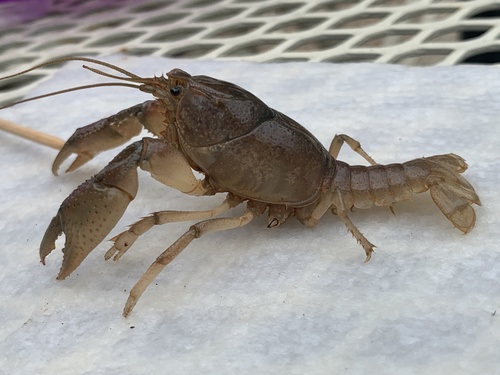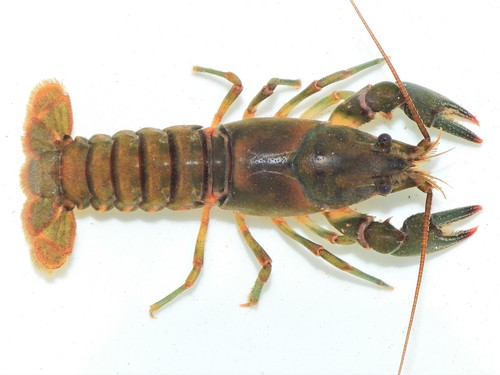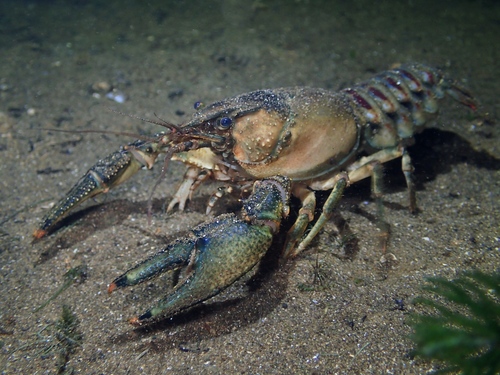
About Faxonius limosus (Rafinesque, 1817)
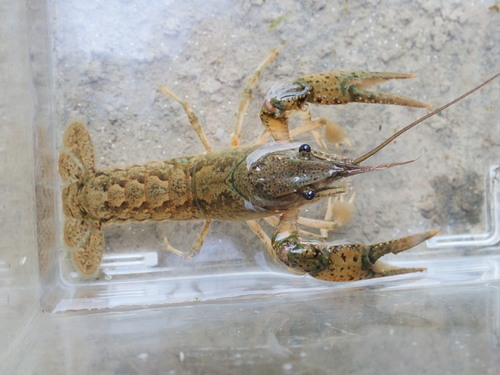
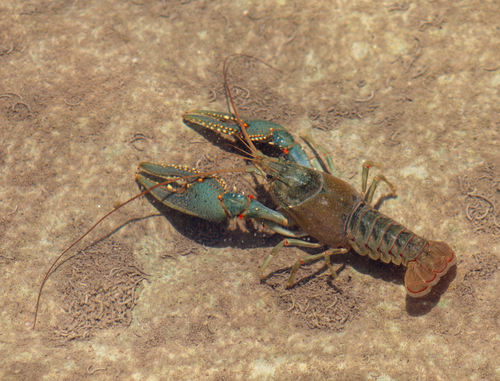
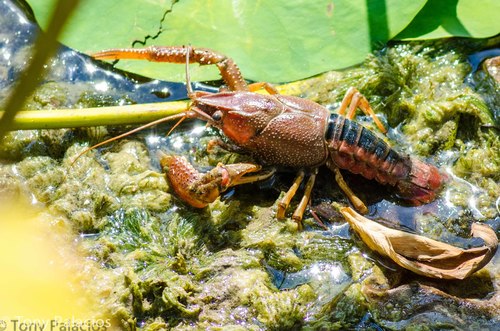
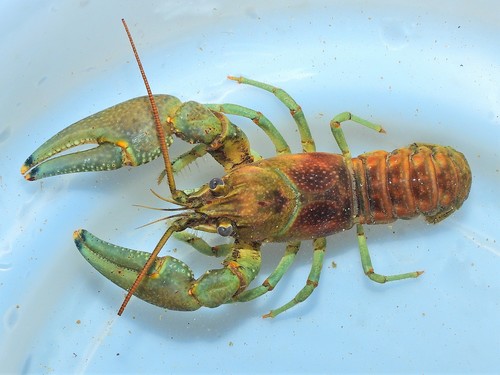
Faxonius limosus, synonym Orconectes limosus, is a species of crayfish in the family Cambaridae. It is commonly known as the spinycheek crayfish, or Kamberkrebs in German. It is native to the east coast of North America, ranging from Quebec to the lower James River, Virginia, and has been introduced to Europe. Unlike most crayfish that prefer clear water, F. limosus is unusual for living in silty streams. Similar to another invasive North American crayfish, Pacifastacus leniusculus, F. limosus carries crayfish plague and poses a threat to native European crayfish. F. limosus was first introduced to Germany in 1890, and has since spread across most of Northern Europe, recently reaching the United Kingdom. It has also spread south to the Danube in Serbia. Since 2016, F. limosus has been included on the European Union's list of Invasive Alien Species of Union concern. This listing means the species cannot be imported, bred, transported, commercialized, or intentionally released into the environment anywhere in the European Union. Faxonius limosus can reproduce both sexually and via parthenogenesis. As decapods, lobsters and crayfish have 10 legs, two of which are claws. This crayfish lives on the bottom of freshwater bodies including lakes, ponds, and swamps, and prefers flat, sandy, or rocky bottoms. It can also be found out of water on beaches or lawns adjacent to these water bodies. While in water, it uses rocks to construct burrows. It is a very common crayfish species, especially in the Northeast United States and Southeast Canada.