Veneridae
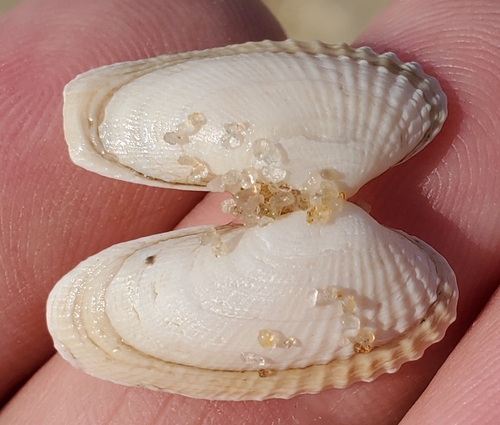
Petricolaria pholadiformis (Lamarck, 1818)
Petricolaria pholadiformis (Lamarck, 1818)
Petricolaria pholadiformis is a bivalve that resembles angel wing, reaching 5 cm long and usually white.
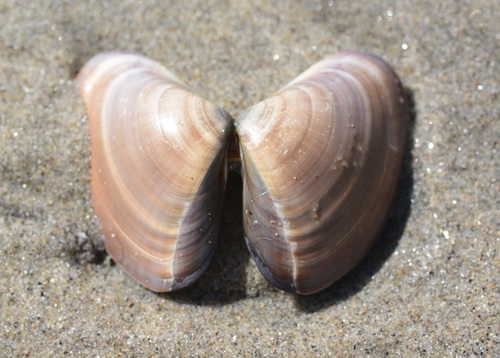
Tivela stultorum (Mawe, 1823)
Tivela stultorum (Mawe, 1823)
Tivela stultorum, the Pismo clam, is a large edible native eastern Pacific marine bivalve used for food by California's Indigenous peoples.
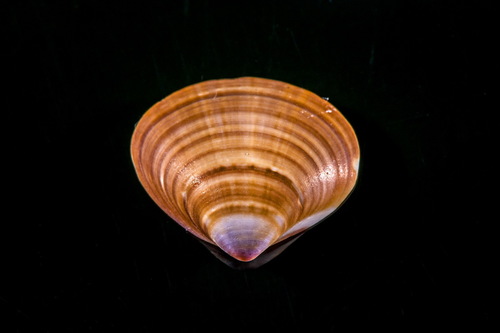
Tivela mactroides (Born, 1778)
Tivela mactroides (Born, 1778)
Tivela mactroides is a Veneridae family bivalve species that can be found in the Americas.
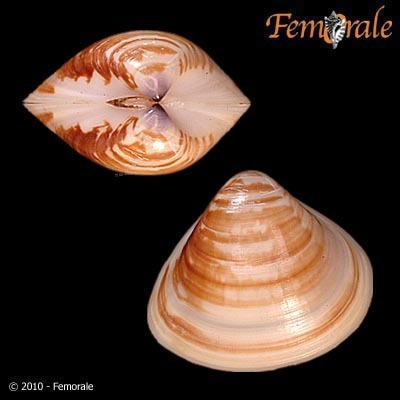
Tivela byronensis (Gray, 1838)
Tivela byronensis (Gray, 1838)
Tivela byronensis is a bivalve species with a distinctively marked white shell found across the Americas' coasts.
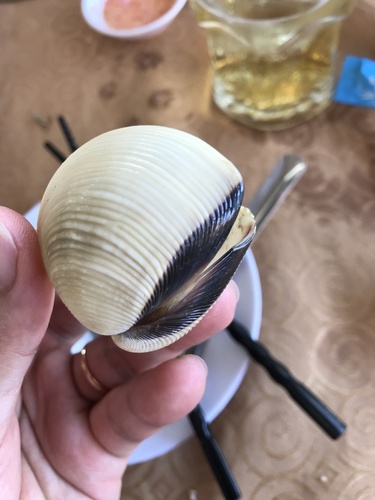
Meretrix lyrata (G.B.Sowerby II, 1851)
Meretrix lyrata (G.B.Sowerby II, 1851)
Meretrix lyrata, the lyrate Asiatic hard clam, is an edible edible saltwater Venus clam found along several Southeast and East Asian coasts.
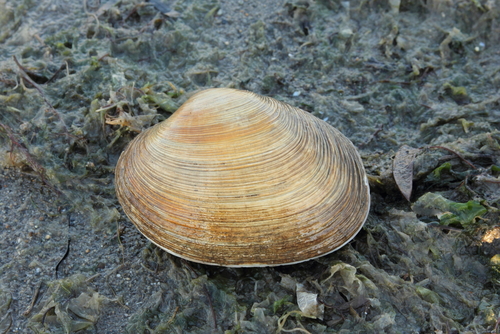
Saxidomus nuttalli Conrad, 1837
Saxidomus nuttalli Conrad, 1837
Saxidomus nuttalli is a large edible commercially exploited venus clam native to the west coast of North America.
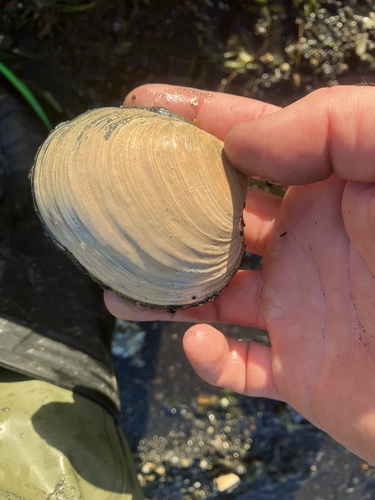
Saxidomus gigantea (Deshayes, 1839)
Saxidomus gigantea (Deshayes, 1839)
Saxidomus gigantea is a large long-lived Pacific clam that lives buried in soft nearshore sediments and is a filter feeder.
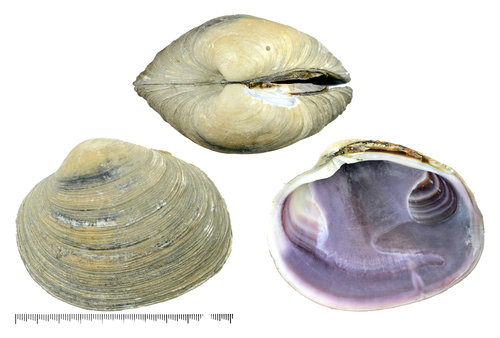
Saxidomus purpurata (G.B.Sowerby II, 1852)
Saxidomus purpurata (G.B.Sowerby II, 1852)
Saxidomus purpurata, the purple butter clam, is a large edible venerid saltwater clam found in the northwest Pacific near China and Japan.
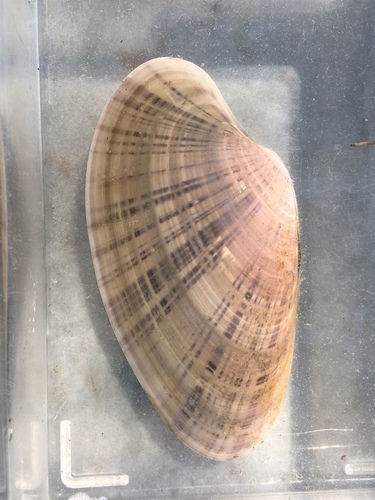
Macrocallista nimbosa (Lightfoot), 1786
Macrocallista nimbosa (Lightfoot), 1786
Macrocallista nimbosa is a species ranging from 65 to 95 mm as adults, found along the North American Atlantic coast from North Carolina to Texas.
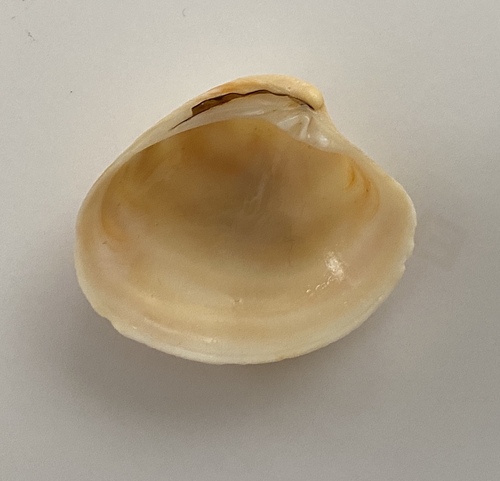
Agriopoma morrhuanum (Dall, 1902)
Agriopoma morrhuanum (Dall, 1902)
Agriopoma morrhuanum, the false quahog, is a North Atlantic Veneridae bivalve distinguishable from true quahogs by shell traits.
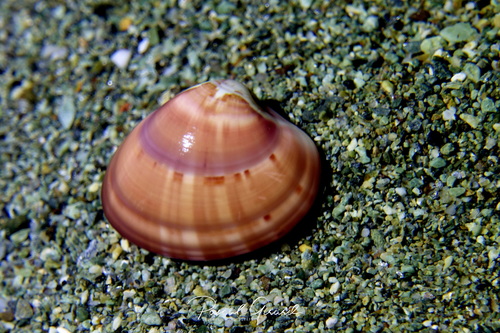
Callista chione (Linnaeus, 1758)
Callista chione (Linnaeus, 1758)
Callista chione, the smooth clam, is an edible Mediterranean marine bivalve that can concentrate dangerous toxins.
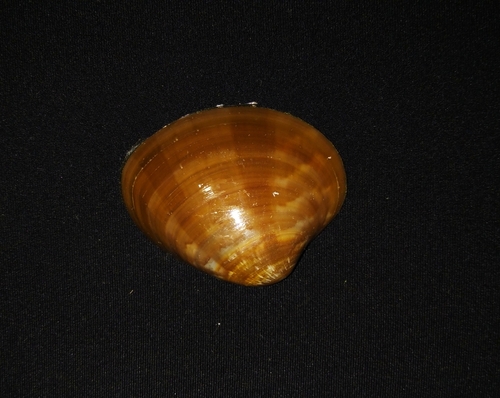
Megapitaria squalida (G.B.Sowerby I, 1835)
Megapitaria squalida (G.B.Sowerby I, 1835)
Megapitaria squalida, the chocolate clam, is an eastern Pacific bivalve that lives buried in sandy sediment from intertidal to 160m deep.
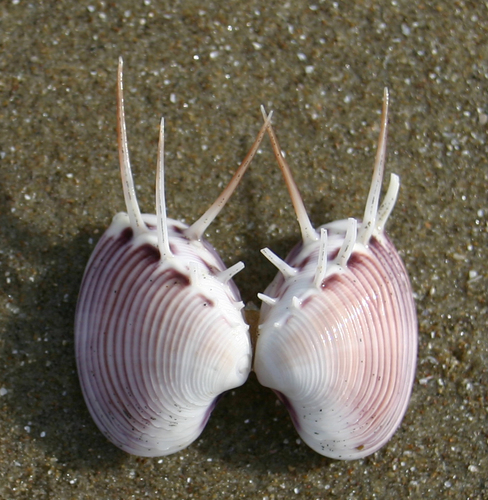
Hysteroconcha lupanaria (Lesson, 1831)
Hysteroconcha lupanaria (Lesson, 1831)
Hysteroconcha lupanaria is a bivalve species with distinctively spined shells found in the Eastern Pacific Ocean.
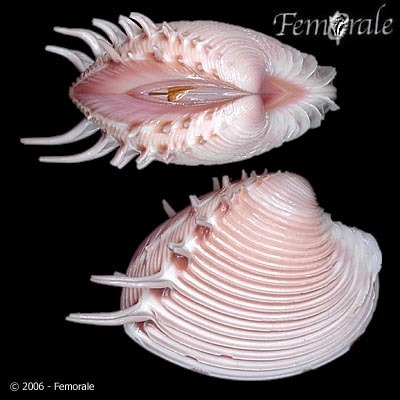
Hysteroconcha dione (Linnaeus, 1758)
Hysteroconcha dione (Linnaeus, 1758)
Hysteroconcha dione is a rare bivalve with distinctively spined shells found in shallow Gulf of Mexico and Florida waters.
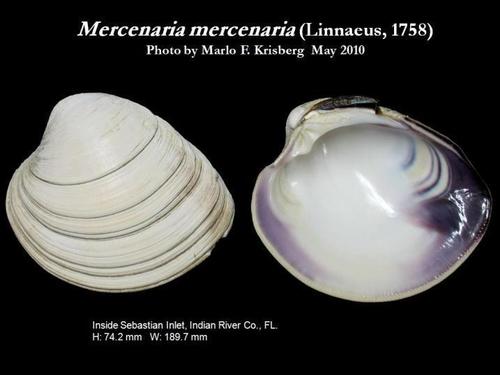
Mercenaria mercenaria (Linnaeus, 1758)
Mercenaria mercenaria (Linnaeus, 1758)
Mercenaria mercenaria is an edible marine bivalve mollusk native to the Atlantic coast of the Americas, widely harvested and eaten by humans.
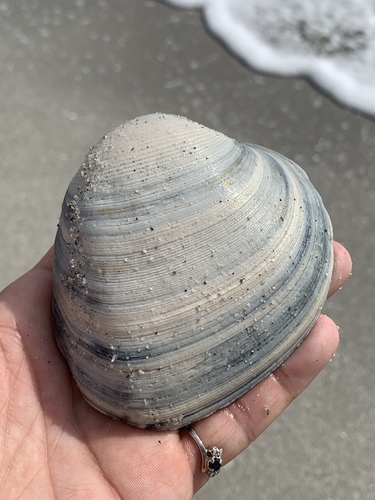
Mercenaria campechiensis (Gmelin, 1791)
Mercenaria campechiensis (Gmelin, 1791)
Mercenaria campechiensis is a round-shelled clam that can be distinguished from M. mercenaria by its anterior concentric ridges.
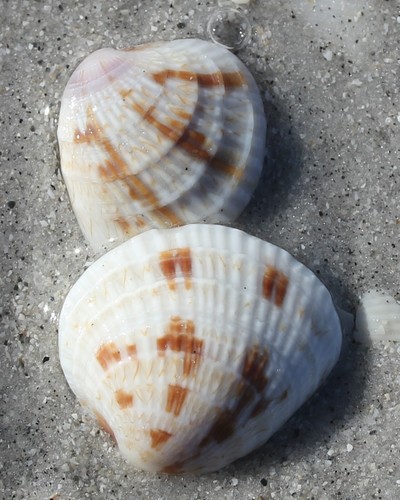
Chione elevata (Say, 1822)
Chione elevata (Say, 1822)
Chione elevata, the Florida cross-barred venus, is a venerid bivalve found from Florida to North Carolina in shallow water.
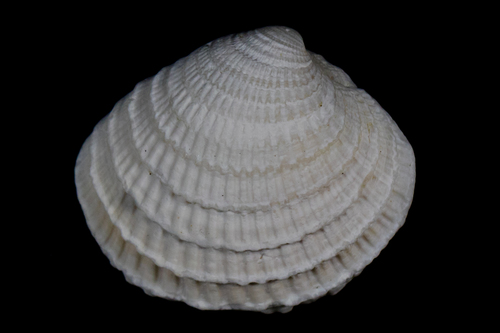
Chione californiensis (Broderip, 1835)
Chione californiensis (Broderip, 1835)
Chione californiensis, the California venus, is a medium-sized edible marine bivalve clam eaten by California's indigenous peoples.
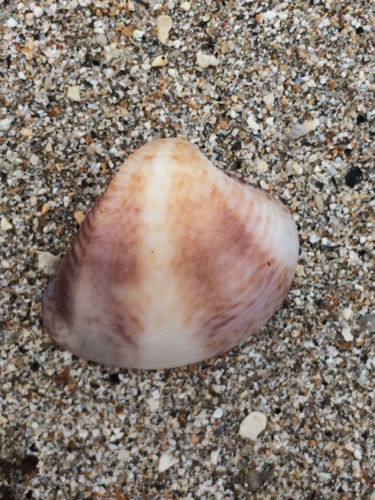
Anomalocardia flexuosa (Linnaeus, 1767)
Anomalocardia flexuosa (Linnaeus, 1767)
Anomalocardia flexuosa is a bivalve species in the family Veneridae found in the Americas and Malesia.
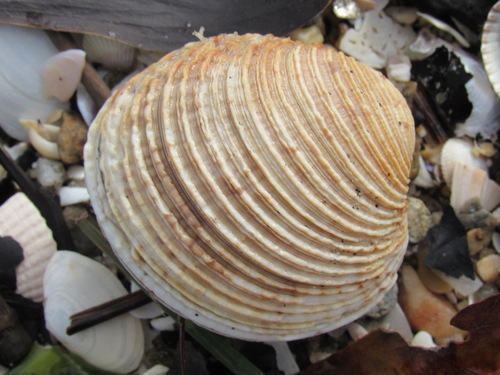
Venus verrucosa Linnaeus, 1758
Venus verrucosa Linnaeus, 1758
Venus verrucosa Linnaeus, 1758, the warty venus, is a burrowing bivalve found along European and southern African coasts.
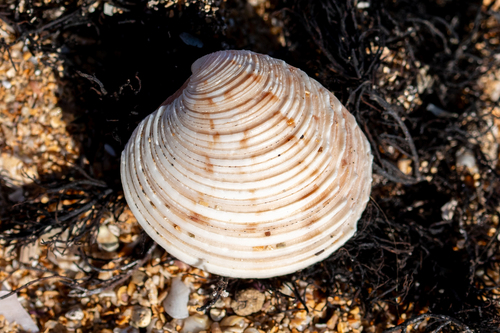
Venus casina Linnaeus, 1758
Venus casina Linnaeus, 1758
Venus casina is a species of saltwater venus clam that lives as a suspension feeder in the eastern Atlantic and Mediterranean.
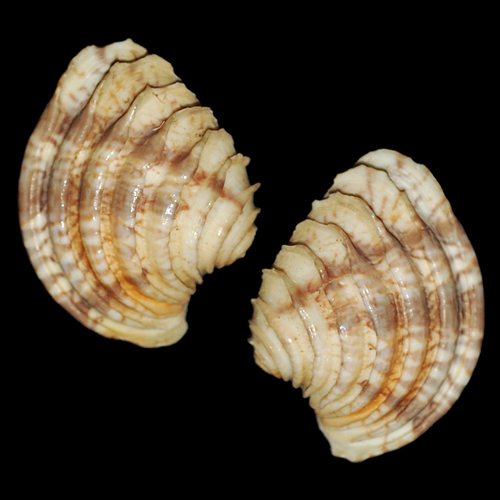
Lirophora paphia (Linnaeus, 1767)
Lirophora paphia (Linnaeus, 1767)
Lirophora paphia, the king venus, is a bivalve species in the Veneridae family found in the Caribbean Sea and Gulf of Mexico.
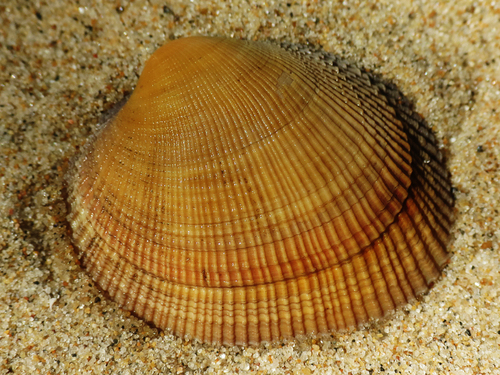
Leukoma staminea (Conrad, 1837)
Leukoma staminea (Conrad, 1837)
Leukoma staminea, the Pacific littleneck clam, is an edible North American Pacific coastal venerid clam that can carry paralytic shellfish poisoning toxins.
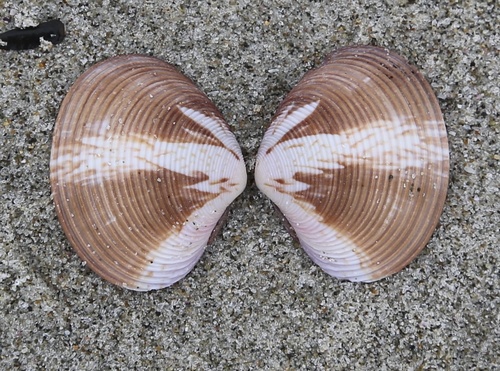
Tawera spissa (Deshayes, 1835)
Tawera spissa (Deshayes, 1835)
Tawera spissa is a small New Zealand bivalve found from low tide down to 200 meters in sandy and gravelly substrates.
Related Families
Start Exploring Nature Today
Download iNature for free. 10 identifications on us. No account needed. No credit card required.
Download Free on App Store
