Scolopacidae
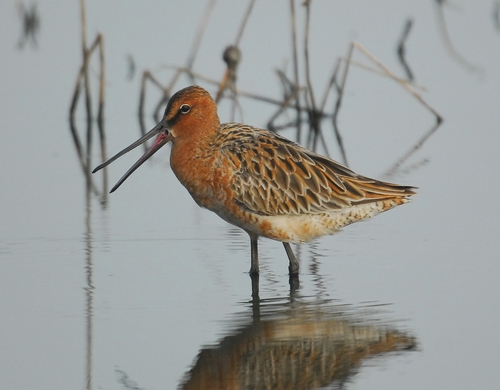
Limnodromus semipalmatus (Blyth, 1848)
Limnodromus semipalmatus (Blyth, 1848)
Limnodromus semipalmatus is a migratory shorebird that breeds in northern Asian wetlands and forages on invertebrates and some plant matter.

Limnodromus griseus (J.F.Gmelin, 1789)
Limnodromus griseus (J.F.Gmelin, 1789)
Limnodromus griseus, the short-billed dowitcher, is a medium-sized North American wading bird with three distinct subspecies.
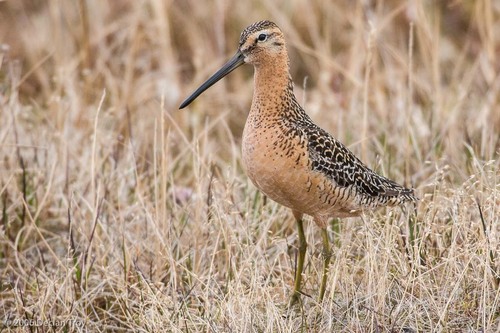
Limnodromus scolopaceus (Say, 1822)
Limnodromus scolopaceus (Say, 1822)
Limnodromus scolopaceus, the long-billed dowitcher, is a medium-sized stocky sandpiper with distinct plumage traits and seasonal breeding behavior.
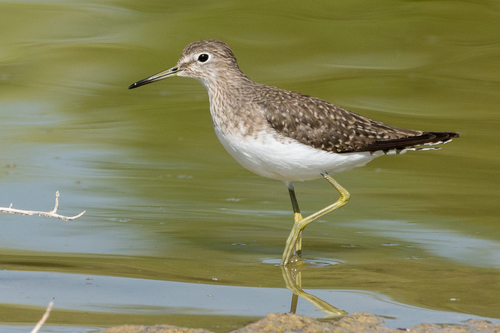
Tringa solitaria A.Wilson, 1813
Tringa solitaria A.Wilson, 1813
Tringa solitaria (solitary sandpiper) is a small North American migratory wader that nests in trees, rarely vagrant to western Europe.

Tringa nebularia (Gunnerus, 1767)
Tringa nebularia (Gunnerus, 1767)
Tringa nebularia, the common greenshank, is a migratory subarctic wader listed as Endangered in Australia.
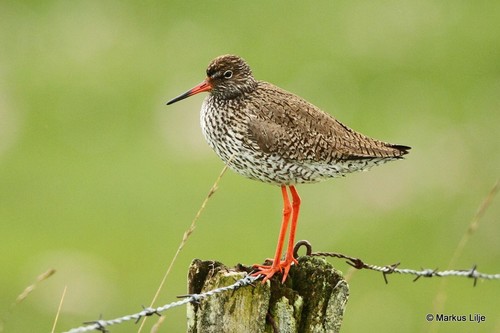
Tringa totanus (Linnaeus, 1758)
Tringa totanus (Linnaeus, 1758)
Tringa totanus, the common redshank, is a migratory Eurasian wader with distinctive red legs and variable seasonal plumage.
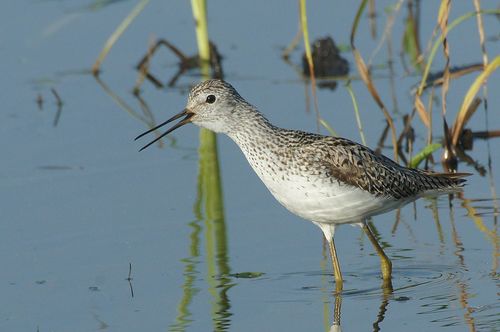
Tringa stagnatilis (Bechstein, 1803)
Tringa stagnatilis (Bechstein, 1803)
Tringa stagnatilis, the marsh sandpiper, is a small migratory wader covered by the AEWA conservation agreement.
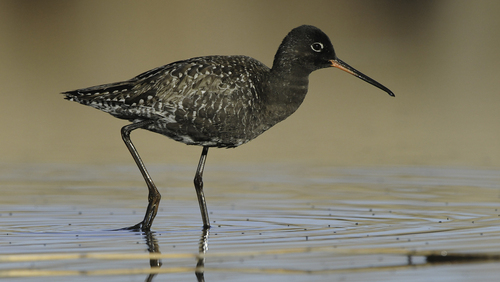
Tringa erythropus (Pallas, 1764)
Tringa erythropus (Pallas, 1764)
Tringa erythropus, the spotted redshank, is a large Arctic-breeding Palearctic wader that feeds on small invertebrates.
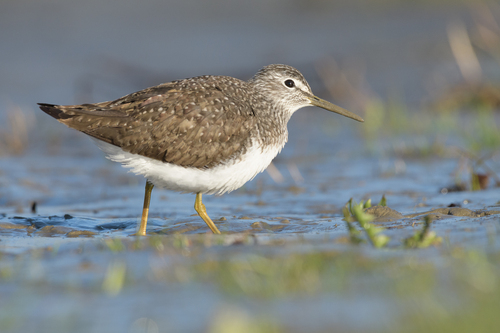
Tringa ochropus Linnaeus, 1758
Tringa ochropus Linnaeus, 1758
Tringa ochropus, the green sandpiper, is a migratory freshwater wader with distinctive flight patterning.
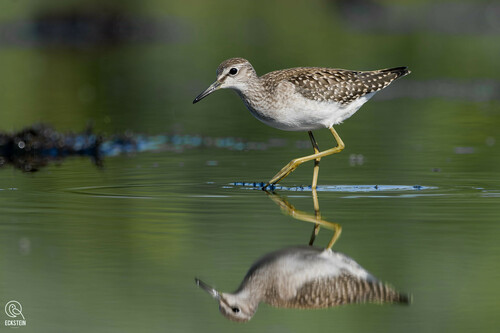
Tringa glareola Linnaeus, 1758
Tringa glareola Linnaeus, 1758
The wood sandpiper (Tringa glareola) is a small wader with specific breeding ranges, migration habits and feeding ecology.
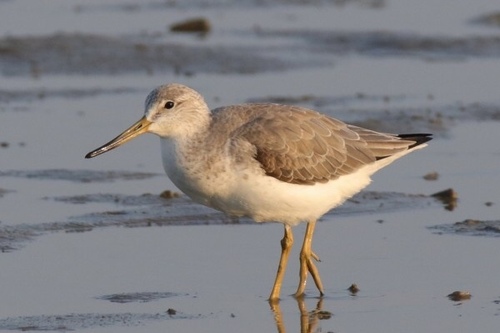
Tringa guttifer (Nordmann, 1835)
Tringa guttifer (Nordmann, 1835)
Nordmann's greenshank is a medium-sized sandpiper with a small global population of 500 to 1000 individuals, breeding in eastern Russia.
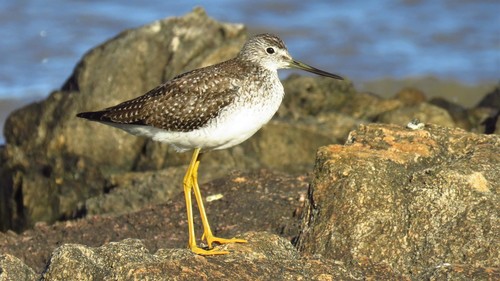
Tringa melanoleuca (J.F.Gmelin, 1789)
Tringa melanoleuca (J.F.Gmelin, 1789)
Tringa melanoleuca, the greater yellowlegs, is a long-legged shorebird with a distribution across the Americas.
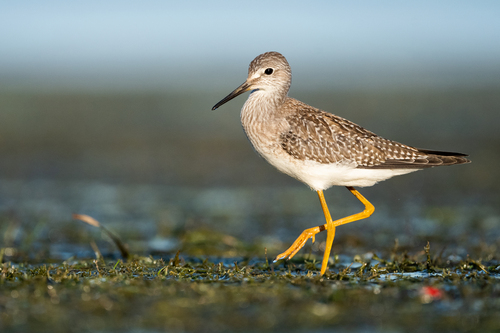
Tringa flavipes (J.F.Gmelin, 1789)
Tringa flavipes (J.F.Gmelin, 1789)
Tringa flavipes, the lesser yellowlegs, is a medium-large migratory shorebird that breeds in boreal North America and winters further south.
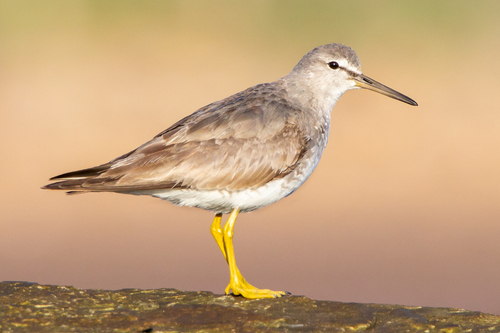
Tringa brevipes (Vieillot, 1816)
Tringa brevipes (Vieillot, 1816)
Tringa brevipes, the grey-tailed tattler, is a wader closely related to the wandering tattler, with specific grey plumage and distinct call.
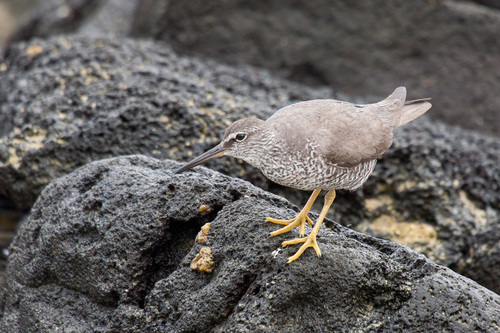
Tringa incana (J.F.Gmelin, 1789)
Tringa incana (J.F.Gmelin, 1789)
Tringa incana, the wandering tattler, is a medium-sized gray wading bird found across Pacific coastal habitats.
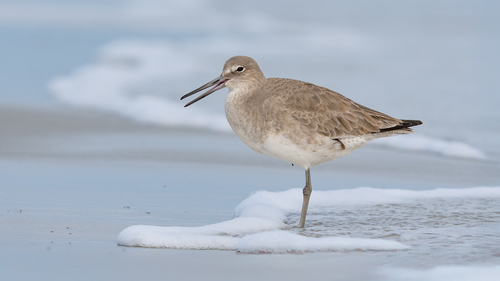
Tringa semipalmata (J.F.Gmelin, 1789)
Tringa semipalmata (J.F.Gmelin, 1789)
Tringa semipalmata, the willet, is the largest Tringa sandpiper with distinct traits, split ranges, and flexible feeding habits.
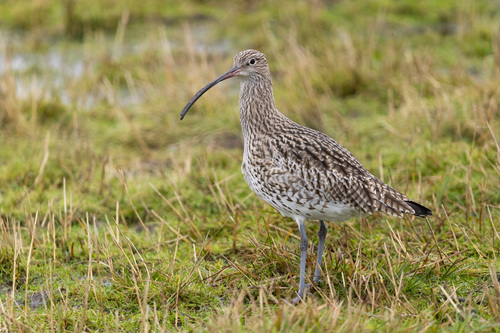
Numenius arquata (Linnaeus, 1758)
Numenius arquata (Linnaeus, 1758)
The Eurasian curlew is the largest wading bird in its range, a mostly migratory species that feeds on small invertebrates.
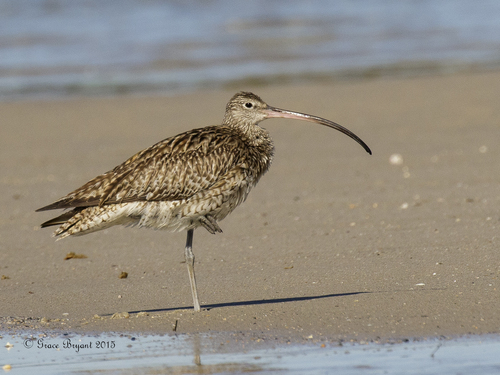
Numenius madagascariensis (Linnaeus, 1766)
Numenius madagascariensis (Linnaeus, 1766)
The Far Eastern curlew is the world's largest sandpiper that breeds in northeastern Asia and winters mainly in coastal Australia.
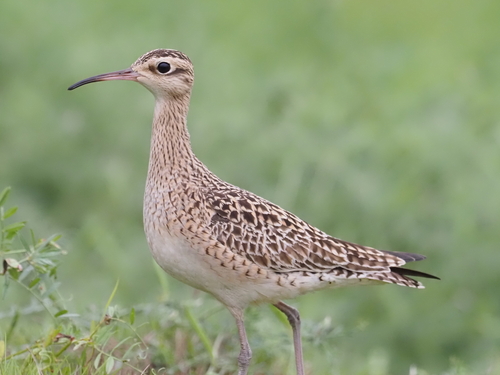
Numenius minutus Gould, 1841
Numenius minutus Gould, 1841
Numenius minutus is the smallest curlew species, with a short curved bill and distinctive greyish-brown plumage.
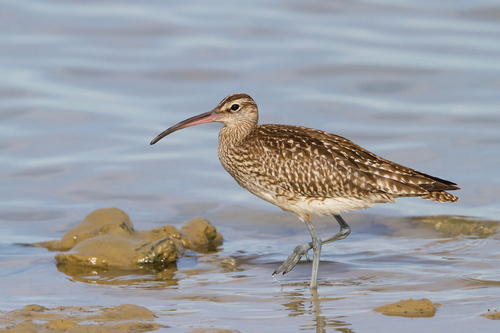
Numenius phaeopus (Linnaeus, 1758)
Numenius phaeopus (Linnaeus, 1758)
Numenius phaeopus, the Eurasian whimbrel, is a mid-sized migratory wader with specific ranges, physical traits, and diet.
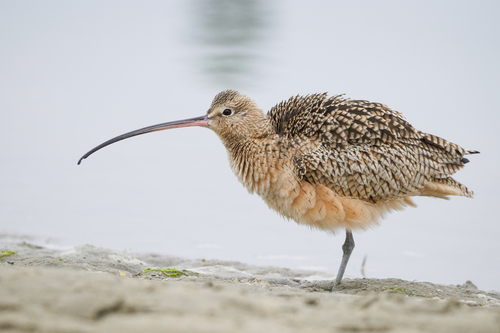
Numenius americanus Bechstein, 1812
Numenius americanus Bechstein, 1812
Numenius americanus (long-billed curlew) is the largest regularly occurring sandpiper in North America, with a distinctive long curved bill.

Numenius tahitiensis (J.F.Gmelin, 1789)
Numenius tahitiensis (J.F.Gmelin, 1789)
Numenius tahitiensis, the bristle-thighed curlew, is a tool-using shorebird that breeds in Alaska and winters across tropical Oceania.
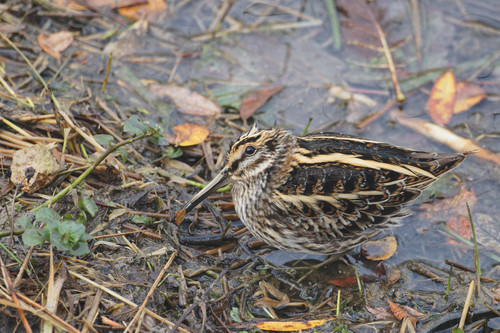
Lymnocryptes minimus (Brünnich, 1764)
Lymnocryptes minimus (Brünnich, 1764)
Lymnocryptes minimus, the jack snipe, is a small migratory wader with distinctive markings and movement, breeding in northern Eurasia.
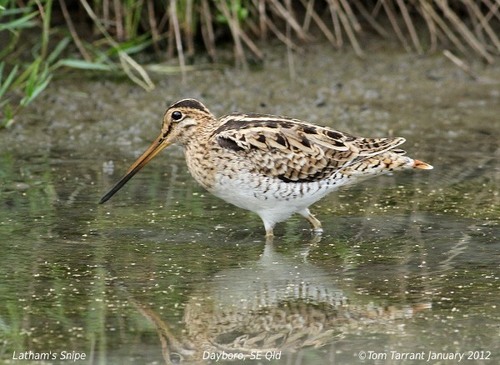
Gallinago hardwickii (J.E.Gray, 1831)
Gallinago hardwickii (J.E.Gray, 1831)
Gallinago hardwickii is a slightly large migratory snipe that breeds in northern Asia and non-breeds mainly in eastern Australia.
Related Families
Start Exploring Nature Today
Download iNature for free. 10 identifications on us. No account needed. No credit card required.
Download Free on App Store
