Sapotaceae
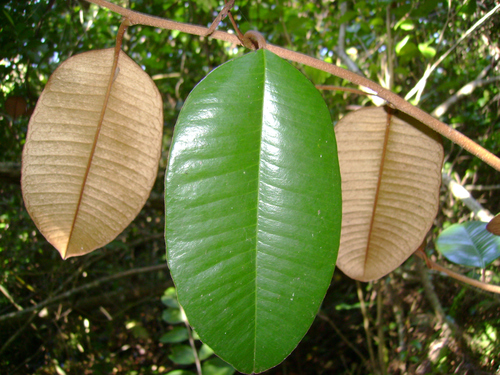
Chrysophyllum oliviforme L.
Chrysophyllum oliviforme L.
Chrysophyllum oliviforme is an evergreen tropical tree with edible fruit, used ornamentally and for timber, and invasive in Hawaii.
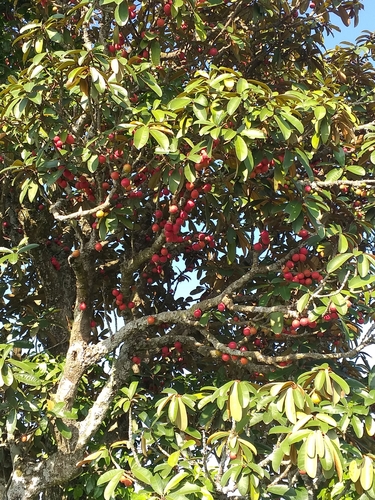
Englerophytum magalismontanum (Sond.) T.D.Penn.
Englerophytum magalismontanum (Sond.) T.D.Penn.
Englerophytum magalismontanum, commonly called stamvrug, is a variable-sized African tree with cauliflory and scented bisexual flowers.
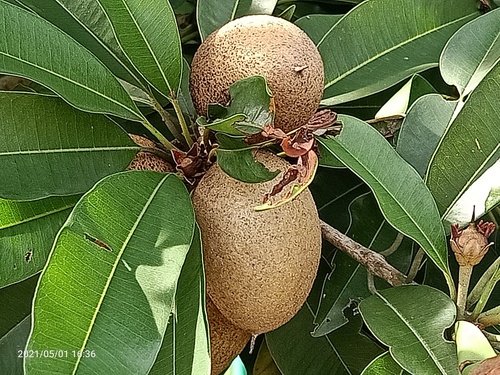
Manilkara zapota (L.) P.Royen
Manilkara zapota (L.) P.Royen
Manilkara zapota, or sapodilla, is a long-lived tropical tree grown for its edible fruit and latex used for chewing gum.
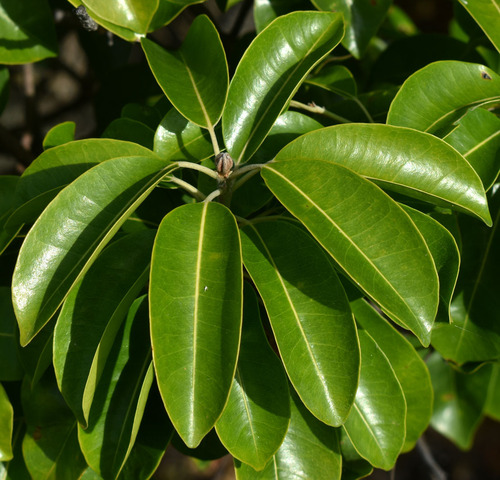
Mimusops elengi L.
Mimusops elengi L.
Mimusops elengi L., or bullet wood, is an evergreen tree native to South/Southeast Asia and Northern Australia, with edible fruit and valuable timber.
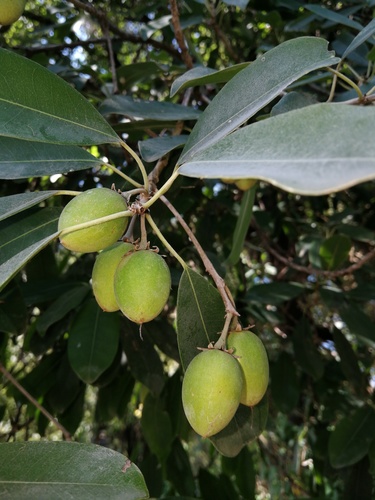
Mimusops zeyheri Sond.
Mimusops zeyheri Sond.
Mimusops zeyheri Sond. is a plant with leathery haired leaves, fragrant white flowers, edible sweet yellow fruits, and hard reddish-brown wood.
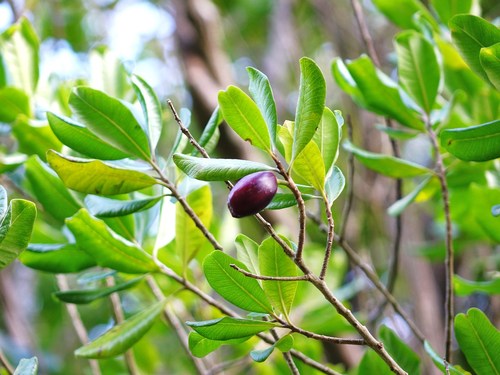
Planchonella costata (Endl.) Pierre
Planchonella costata (Endl.) Pierre
Planchonella costata is a slow-growing coastal tree found in New Zealand and Norfolk Island, with historically documented uses by Māori.
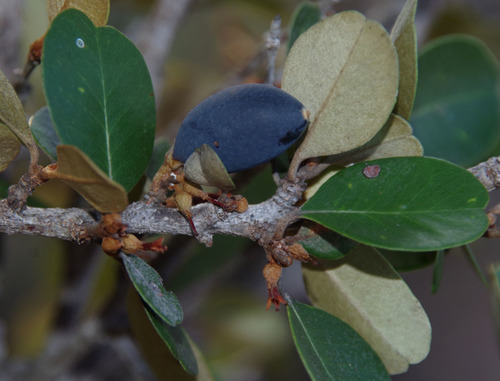
Sersalisia sericea (Aiton) R.Br.
Sersalisia sericea (Aiton) R.Br.
Sersalisia sericea is an edible-fruited shrub or small tree in Sapotaceae native to Northern Australia, used as bush food and for seed jewellery.
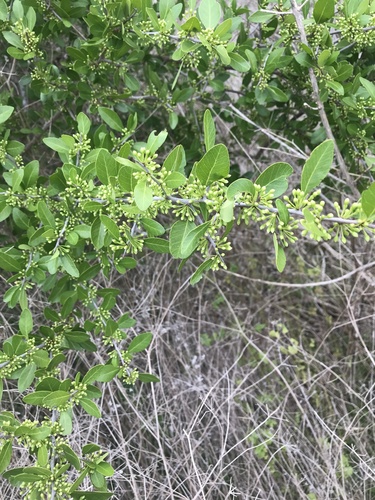
Sideroxylon celastrinum (Kunth) T.D.Penn.
Sideroxylon celastrinum (Kunth) T.D.Penn.
Sideroxylon celastrinum is a spiny flowering shrub or small tree native to the Americas from the southern US to northern South America.
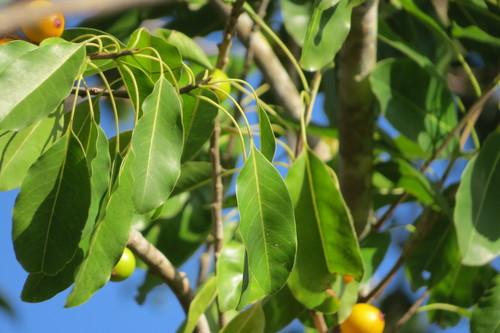
Sideroxylon foetidissimum Jacq.
Sideroxylon foetidissimum Jacq.
Sideroxylon foetidissimum, false or yellow mastic, is a Sapotaceae flowering plant native to Florida, the Caribbean, and northern Central America.
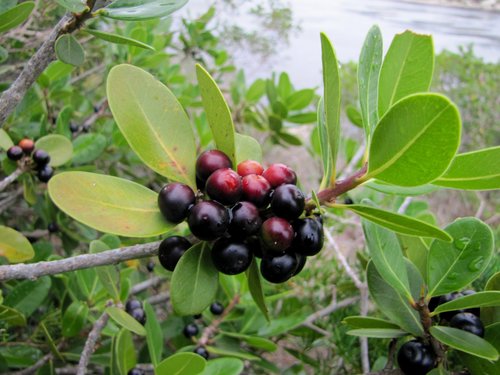
Sideroxylon inerme L.
Sideroxylon inerme L.
Sideroxylon inerme, or milkwood, is a protected African coastal evergreen tree with edible berries, used in traditional medicine and for firebreaks.
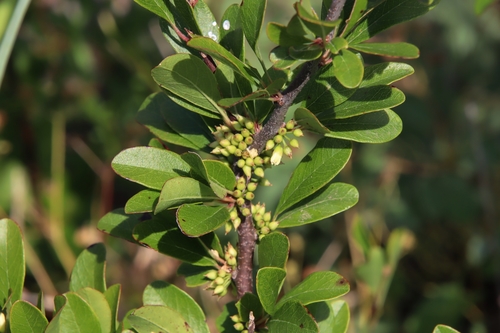
Sideroxylon lanuginosum Michx.
Sideroxylon lanuginosum Michx.
Sideroxylon lanuginosum Michx. is an edible-fruited Sapotaceae shrub or small tree native to south-central North America.

Sideroxylon mirmulano R.Br.
Sideroxylon mirmulano R.Br.
Sideroxylon mirmulano R.Br. is an evergreen tree native to the Macaronesian islands off northwestern Africa.
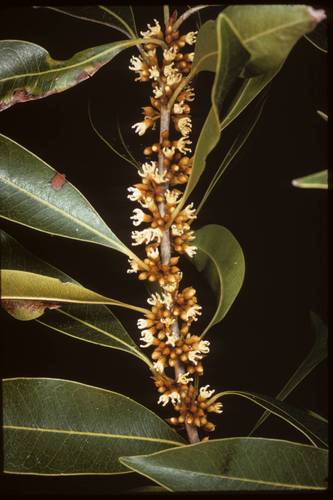
Sideroxylon salicifolium (L.) Lam.
Sideroxylon salicifolium (L.) Lam.
Sideroxylon salicifolium is a small tree with clustered cream flowers and color-changing small berry fruits.
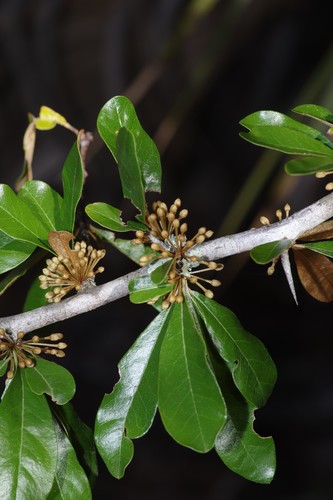
Sideroxylon tenax L.
Sideroxylon tenax L.
Sideroxylon tenax (tough bully) is a thorny shrub or tree native to the southeastern US coastal plain.
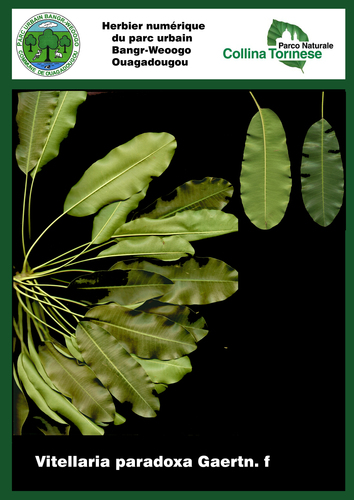
Vitellaria paradoxa C.F.Gaertn.
Vitellaria paradoxa C.F.Gaertn.
Vitellaria paradoxa, the shea tree, is a wild African savannah tree valued for its edible fruit and widely used shea butter.
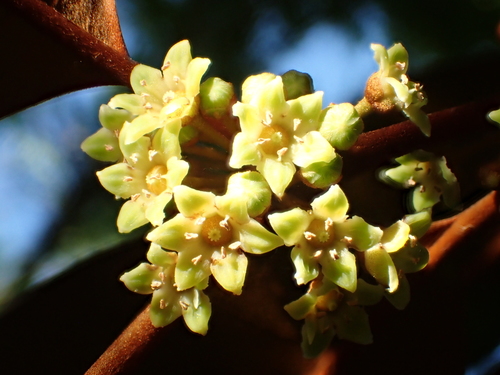
Chrysophyllum cainito L.
Chrysophyllum cainito L.
Chrysophyllum cainito L. is a fast-growing tropical Sapotaceae tree domesticated in Panama and now grown globally in the tropics.
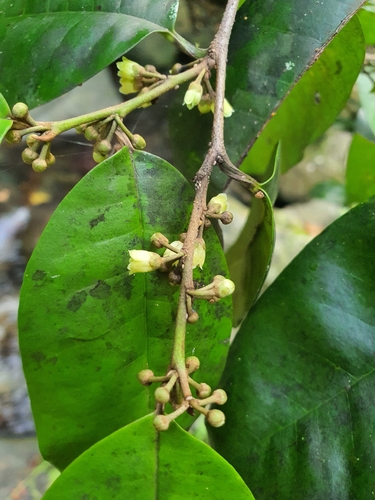
Chrysophyllum argenteum Jacq.
Chrysophyllum argenteum Jacq.
Chrysophyllum argenteum Jacq. is a tree native to the tropical Americas, growing in forests and grasslands up to 1600 m altitude.
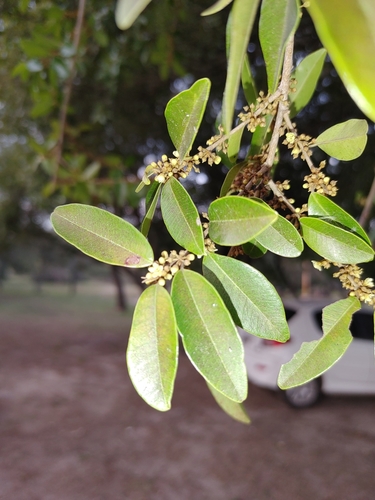
Chrysophyllum marginatum (Hook. & Arn.) Radlk.
Chrysophyllum marginatum (Hook. & Arn.) Radlk.
Chrysophyllum marginatum is a South American tree suitable for reforestation, growing in riverine or mountain woodlands.
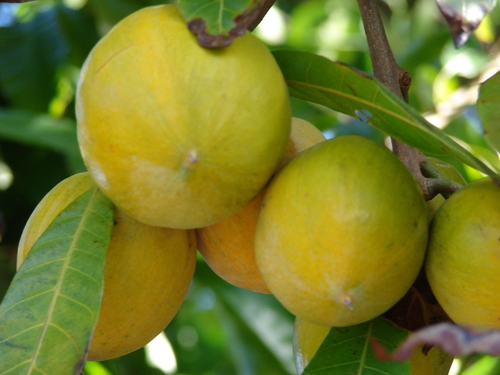
Pouteria campechiana (Kunth) Baehni
Pouteria campechiana (Kunth) Baehni
Pouteria campechiana (canistel) is an egg-custard-flavored climacteric fruit with many culinary and limited construction uses.

Pouteria sapota (Jacq.) H.E.Moore & Stearn
Pouteria sapota (Jacq.) H.E.Moore & Stearn
Pouteria sapota, mamey sapote, is a large evergreen tree cultivated for its edible fruit across tropical regions.
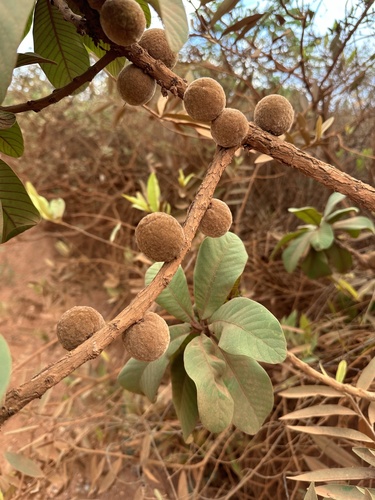
Pouteria torta (Mart.) Radlk.
Pouteria torta (Mart.) Radlk.
Pouteria torta is a native Central and South American tree, common in the Brazilian cerrado, with two common names.
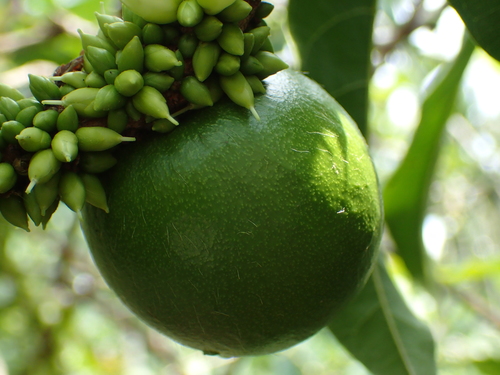
Pouteria caimito (Ruiz & Pav.) Radlk.
Pouteria caimito (Ruiz & Pav.) Radlk.
Pouteria caimito, the abiu, is a tropical fruit tree native to the Amazon, cultivated for its fruit and valued for its hard timber.
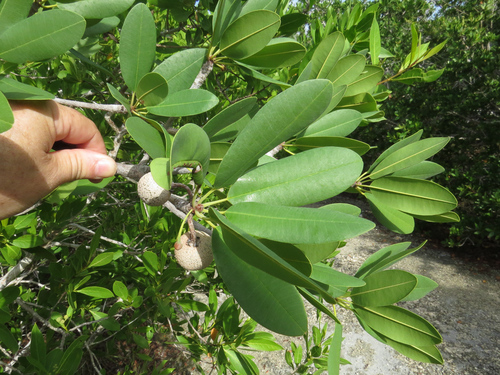
Manilkara jaimiqui (C.Wright ex Griseb.) Dubard
Manilkara jaimiqui (C.Wright ex Griseb.) Dubard
Manilkara jaimiqui, wild dilly, is a small evergreen woody Sapotaceae plant native to tropical North America, split into four subspecies.
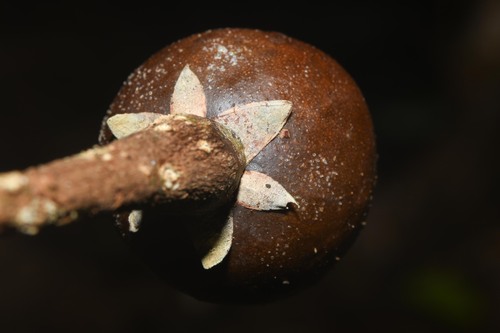
Manilkara bidentata (A.DC.) A.Chev.
Manilkara bidentata (A.DC.) A.Chev.
Manilkara bidentata, or balatá, is a large tropical tree valued for its edible fruit, industrial latex, and dense durable hardwood.
Related Families
Start Exploring Nature Today
Download iNature for free. 10 identifications on us. No account needed. No credit card required.
Download Free on App Store
