Megalopygidae
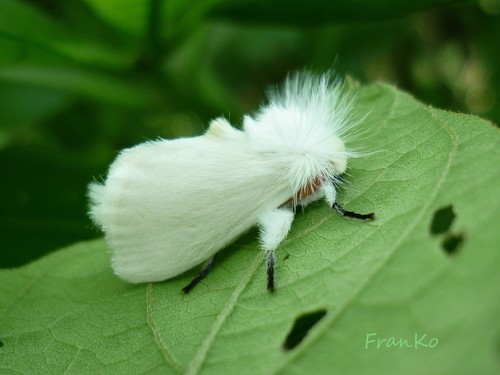
Norape virgo (Butler, 1877)
Norape virgo (Butler, 1877)
Norape virgo is a small megalopygid moth described in 1877, found from southern US to Colombia whose larvae eat legumes.
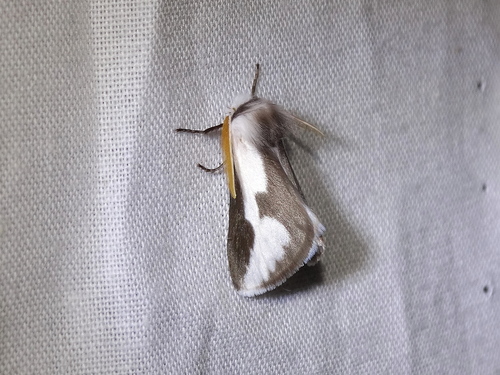
Norape tener (Druce, 1897)
Norape tener (Druce, 1897)
Norape tener, the mesquite stinger moth, is a Megalopygidae moth found in Mexico and the southwestern US.
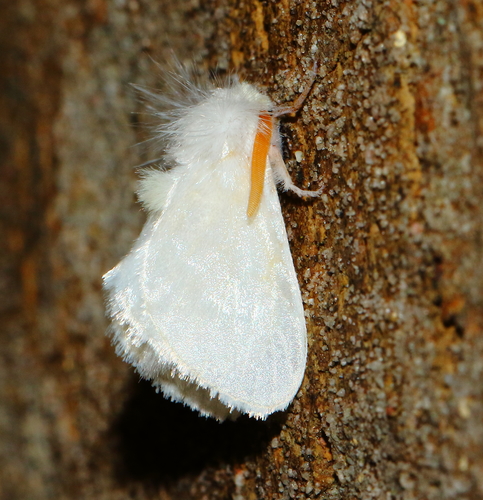
Norape cretata (Grote, 1864)
Norape cretata (Grote, 1864)
Norape ovina, the white flannel moth, is a stinging-larvae Megalopygidae moth found from the US to South America.
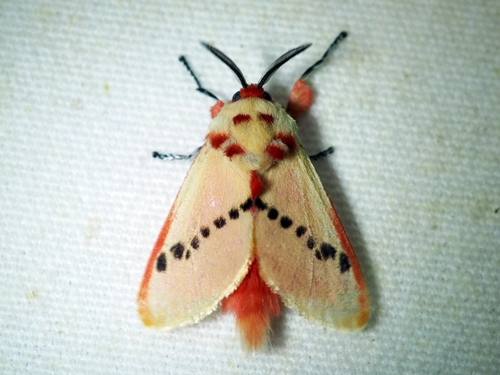
Trosia dimas (Cramer, 1775)
Trosia dimas (Cramer, 1775)
Trosia dimas is a moth species with distinct color patterning, found from South to North America in forest habitats.
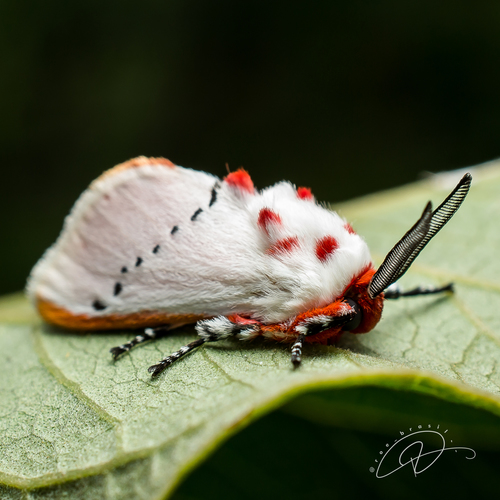
Trosia misda Dyar, 1910
Trosia misda Dyar, 1910
Trosia misda Dyar, 1910 is a moth species ranging from South to North America with distinct colored body and wings.
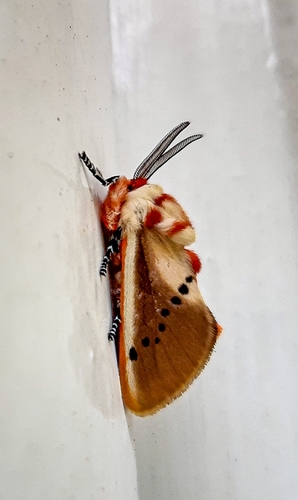
Trosia fumosa Hopp, 1934
Trosia fumosa Hopp, 1934
Trosia fumosa Hopp, 1934 is a moth species with described physical features, and related Trosia dimas has documented range and habitat.
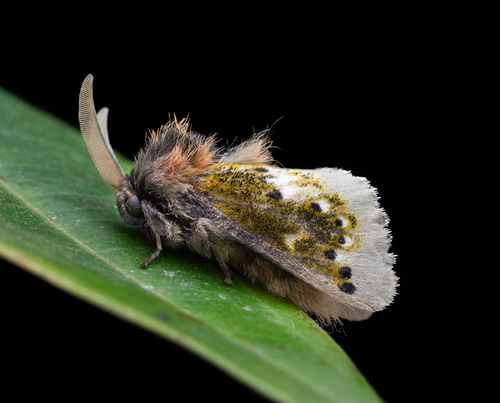
Macara alydda (Druce, 1887)
Macara alydda (Druce, 1887)
Macara alydda is a megalopygid moth described in 1887, found in montane cloud forests of Costa Rica and Ecuador.
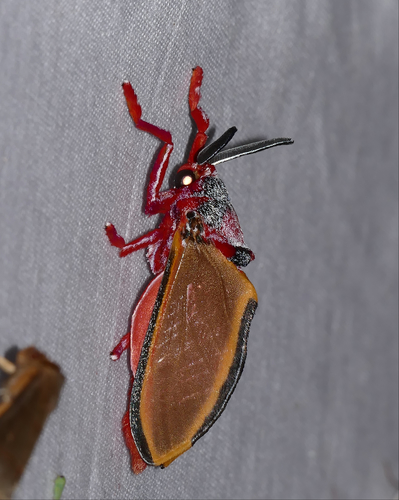
Edebessa purens Walker, 1855
Edebessa purens Walker, 1855
Edebessa purens is a megalopygid moth described in 1855 by Francis Walker that is found in Brazil.
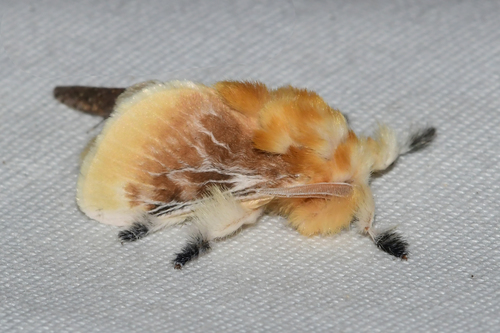
Megalopyge opercularis (J.E.Smith, 1797)
Megalopyge opercularis (J.E.Smith, 1797)
Megalopyge opercularis, the puss caterpillar moth, is a venomous lepidopteran found across parts of the Americas with stinging larval fur.
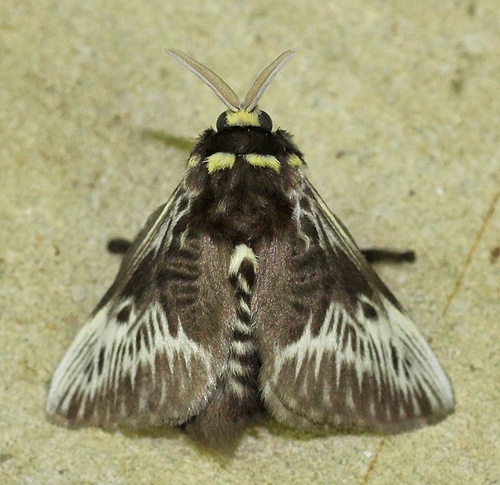
Megalopyge albicollis (Walker, 1855)
Megalopyge albicollis (Walker, 1855)
Megalopyge albicollis is a moth of the family Megalopygidae described by Francis Walker in 1855.
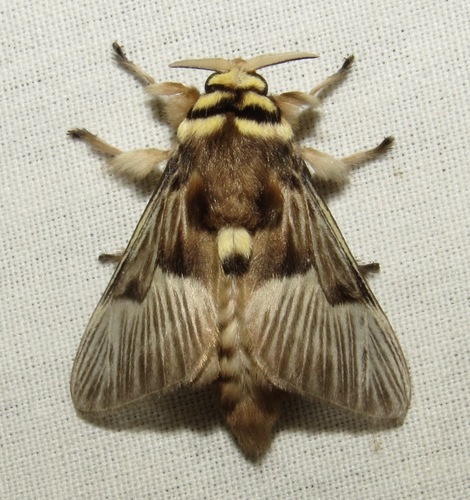
Megalopyge tharops (Stoll, 1782)
Megalopyge tharops (Stoll, 1782)
Megalopyge tharops is a Megalopygidae moth found in French Guiana and Brazil, first described by Caspar Stoll in 1782.
Megalopyge pixidifera (J.E.Smith, 1797)
Megalopyge pixidifera (J.E.Smith, 1797)
Megalopyge pixidifera is a Megalopygidae moth described in 1797 from the southern United States.
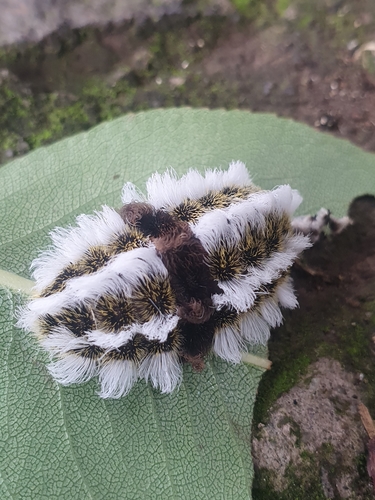
Megalopyge defoliata (Walker, 1855)
Megalopyge defoliata (Walker, 1855)
Megalopyge defoliata is a moth of the Megalopygidae family, found in Mexico, with distinct size and color differences between sexes.
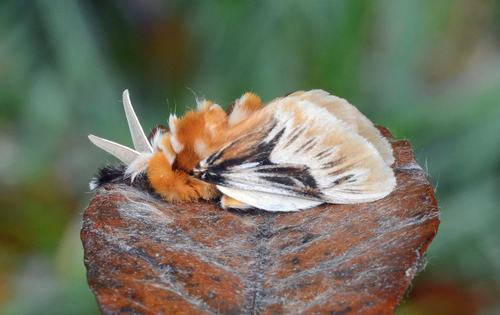
Megalopyge salebrosa (Clemens, 1860)
Megalopyge salebrosa (Clemens, 1860)
Megalopyge salebrosa is a Megalopygidae moth found in Mexico and Guatemala, with distinct wing colour differences between sexes.
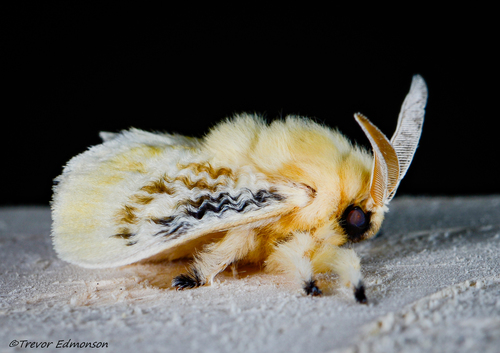
Megalopyge crispata (Packard, 1864)
Megalopyge crispata (Packard, 1864)
Megalopyge crispata is a US moth whose venomous caterpillars can cause unpleasant symptoms in people who contact them.
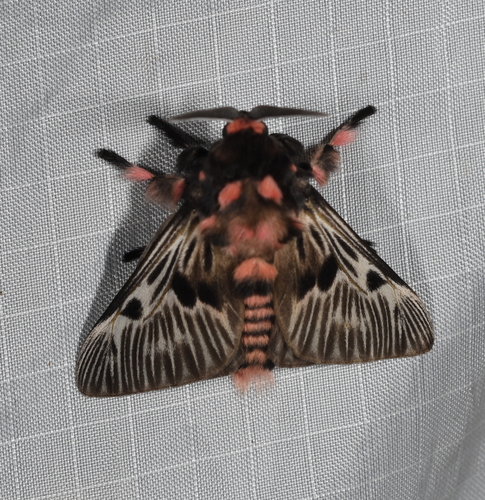
Megalopyge urens Berg, 1882
Megalopyge urens Berg, 1882
Megalopyge urens is a moth in the Megalopygidae family, described by Carlos Berg in 1882 and found in Brazil.
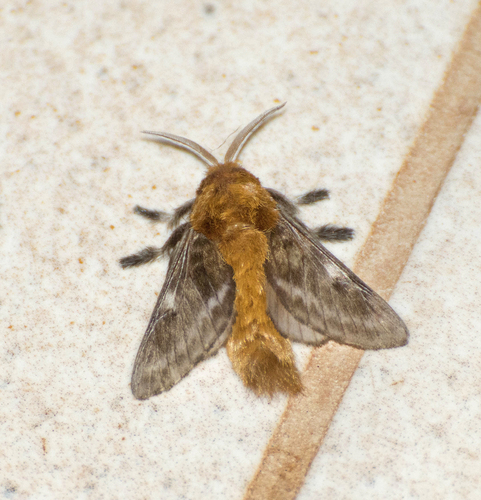
Megalopyge undulata (Herrich-Schäffer, 1858)
Megalopyge undulata (Herrich-Schäffer, 1858)
Megalopyge undulata is a megalopygid moth described in 1858, found in parts of South America.
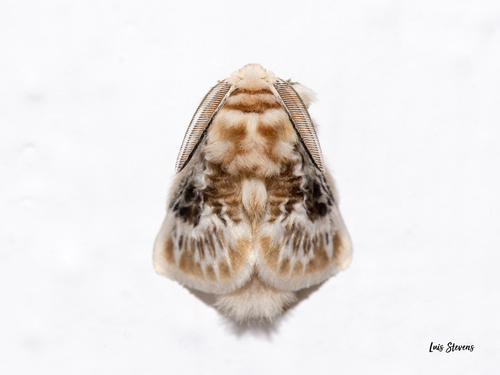
Megalopyge ravida (Druce, 1887)
Megalopyge ravida (Druce, 1887)
Megalopyge ravida is a 25mm-wingspan moth in the Megalopygidae family, described in 1887 and found in Mexico.
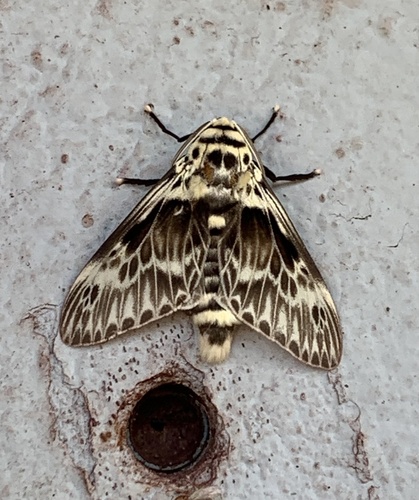
Podalia orsilochus (Cramer, 1775)
Podalia orsilochus (Cramer, 1775)
Podalia orsilochus is a 65mm-wingspan moth in the Megalopygidae family found across parts of Central and South America.
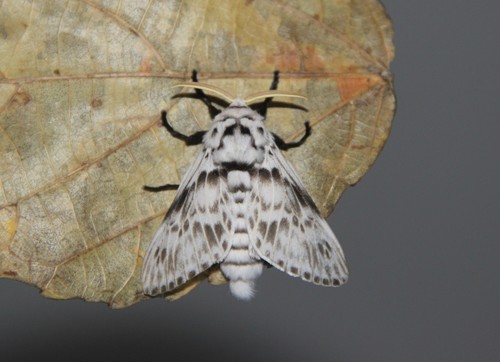
Podalia albescens (Schaus, 1900)
Podalia albescens (Schaus, 1900)
Podalia albescens is a Megalopygidae moth described in 1900, found in Brazil, with a ~48 mm wingspan and distinct spotted white wings.
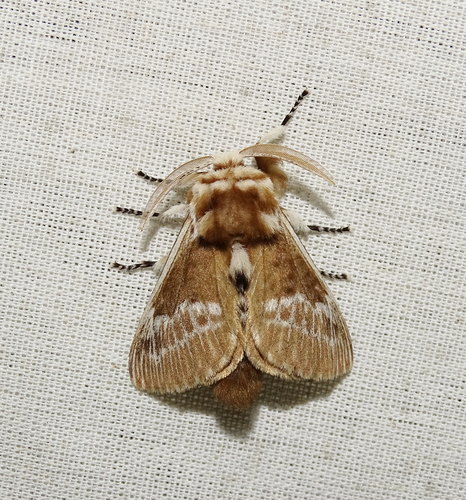
Podalia walkeri (Berg, 1882)
Podalia walkeri (Berg, 1882)
Podalia walkeri is a 45 mm wingspan moth in the Megalopygidae family, described 1882 and found in Brazil.
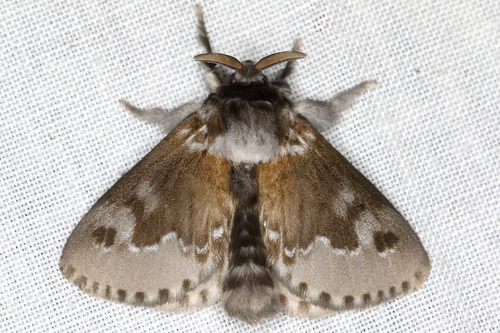
Podalia habitus (Edwards, 1887)
Podalia habitus (Edwards, 1887)
Podalia habitus is a megalopygid moth described in 1887 by Henry Edwards that occurs in Mexico.
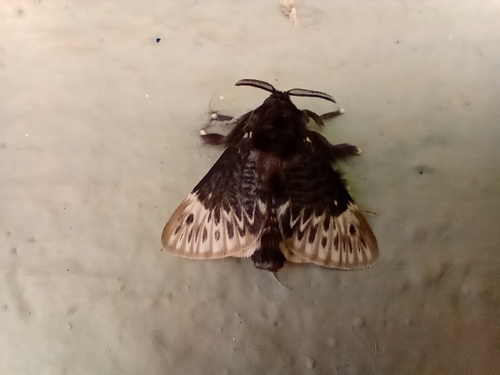
Podalia thanatos Schaus, 1905
Podalia thanatos Schaus, 1905
Podalia thanatos is a 31mm-wingspan moth in the Megalopygidae family, described in 1905 and found in Costa Rica and Guyana.
Related Families
Start Exploring Nature Today
Download iNature for free. 10 identifications on us. No account needed. No credit card required.
Download Free on App Store
