Hepialidae
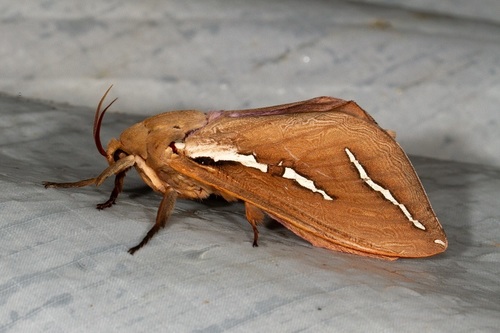
Abantiades latipennis Tindale, 1932
Abantiades latipennis Tindale, 1932
Abantiades latipennis is a primitive non-feeding Australian moth whose larvae feed on eucalypt roots and thrives in post-clearfelling regrowth forest.
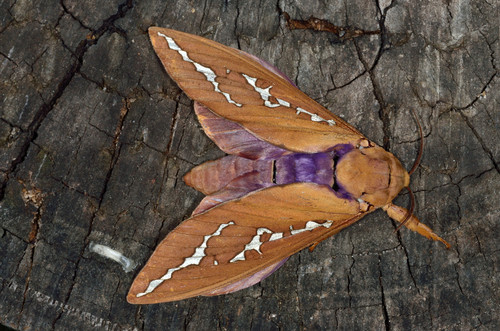
Abantiades hyalinatus (Herrich-Schäffer, 1853)
Abantiades hyalinatus (Herrich-Schäffer, 1853)
Abantiades hyalinatus is a 10–12 cm wingspan Hepialidae moth found in Australia from southern Queensland to Tasmania.
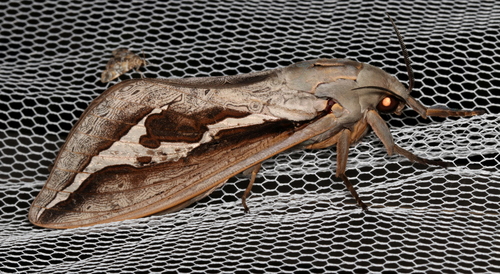
Abantiades labyrinthicus (Donovan, 1805)
Abantiades labyrinthicus (Donovan, 1805)
Abantiades labyrinthicus is an endemic Australian moth of the Hepialidae family, with silver-marked brown forewings and subterranean root-eating larvae.
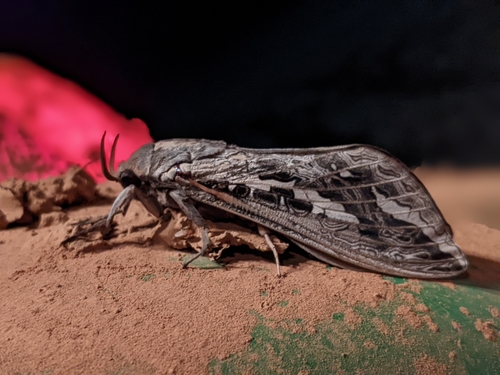
Abantiades marcidus Tindale, 1932
Abantiades marcidus Tindale, 1932
Abantiades marcidus is an endemic Australian moth of the family Hepialidae whose larvae are a popular fishing bait.
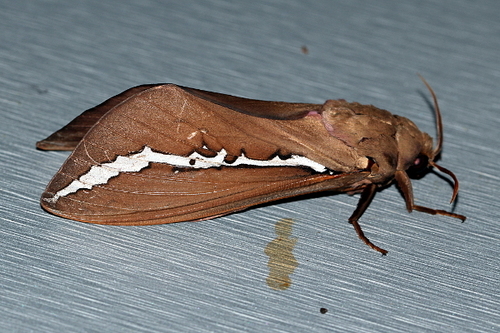
Abantiades barcas (Pfitzner, 1914)
Abantiades barcas (Pfitzner, 1914)
Abantiades barcas is a Hepialidae moth endemic to three eastern Australian regions.
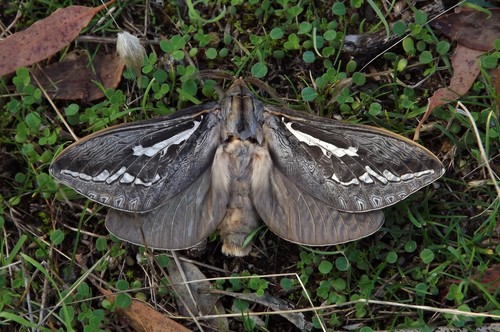
Abantiades atripalpis (Walker, 1856)
Abantiades atripalpis (Walker, 1856)
Abantiades atripalpis is a hepialid moth found across the southern half of Australia, often near eucalyptus trees in woodlands.
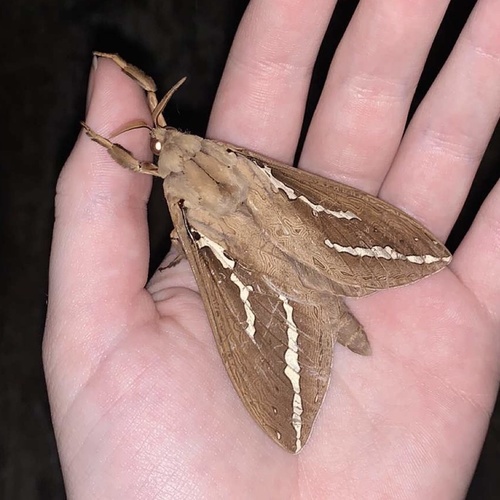
Abantiades argyrosticha (Turner, 1929)
Abantiades argyrosticha (Turner, 1929)
Abantiades argyrosticha is a moth endemic to eastern Australia whose underground larvae feed on tree roots.
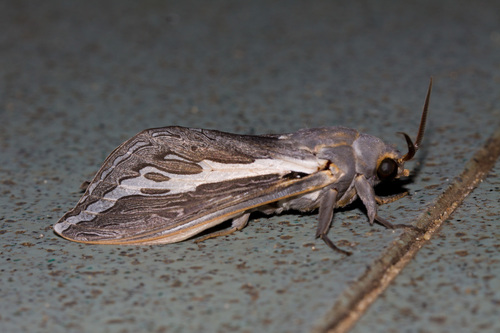
Abantiades albofasciatus (Swinhoe, 1892)
Abantiades albofasciatus (Swinhoe, 1892)
Abantiades albofasciatus is a moth species with distinct coloration, wing markings, and size differences between males and females.
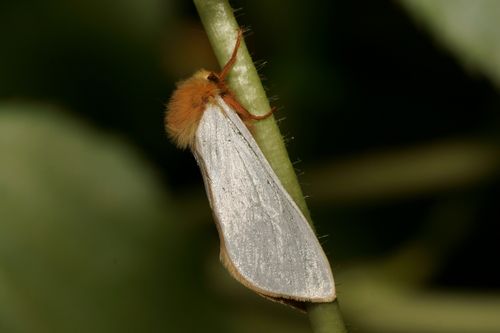
Hepialus humuli (Linnaeus, 1758)
Hepialus humuli (Linnaeus, 1758)
Hepialus humuli, the ghost moth, has sexual dimorphism in size and wing color, with a buff subspecies in the North Atlantic isles.
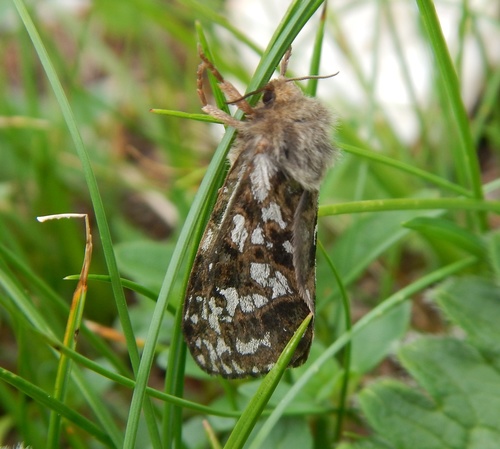
Pharmacis carna (Denis & Schiffermüller), 1775
Pharmacis carna (Denis & Schiffermüller), 1775
Pharmacis carna is a Hepialidae moth found in Central European mountains, with grass root-eating larvae.
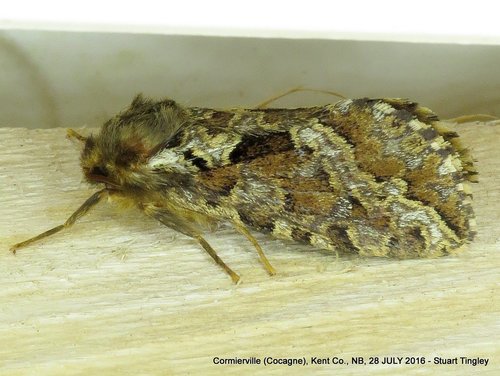
Korscheltellus gracilis (Grote)
Korscheltellus gracilis (Grote)
Korscheltellus gracilis, the conifer swift moth, is a North American forest pest that feeds on conifer tree roots.
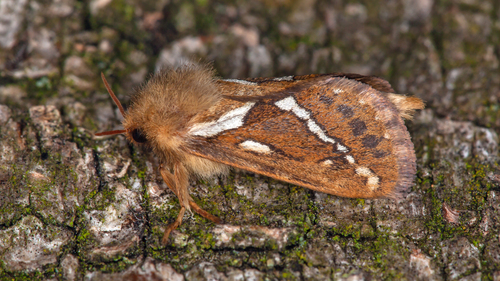
Korscheltellus lupulina (Linnaeus, 1758)
Korscheltellus lupulina (Linnaeus, 1758)
Korscheltellus lupulina is a moth species with variable patterning, non-feeding adults, and a life cycle including overwintering larvae.
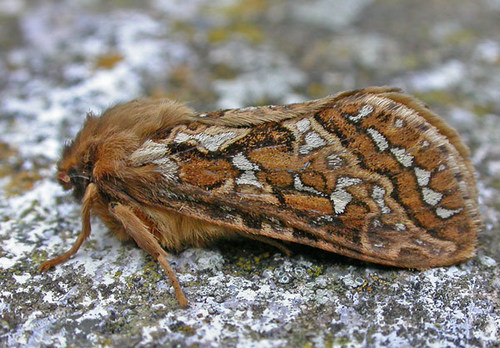
Korscheltellus fusconebulosus (De Geer, 1778)
Korscheltellus fusconebulosus (De Geer, 1778)
Korscheltellus fusconebulosus, the map moth, is a bracken-associated species that overwinters twice as a root-feeding larva.
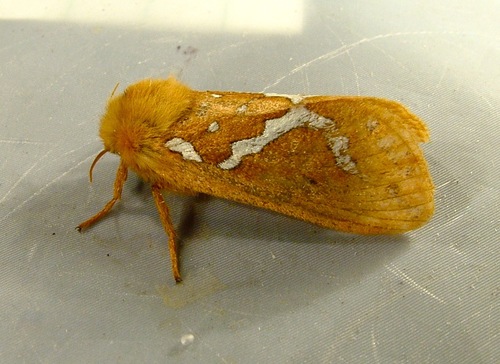
Gazoryctra mathewi (Edwards, 1874)
Gazoryctra mathewi (Edwards, 1874)
Mathew's ghost moth (Gazoryctra mathewi) is a Hepialidae moth found in western North America with a 34 mm wingspan.
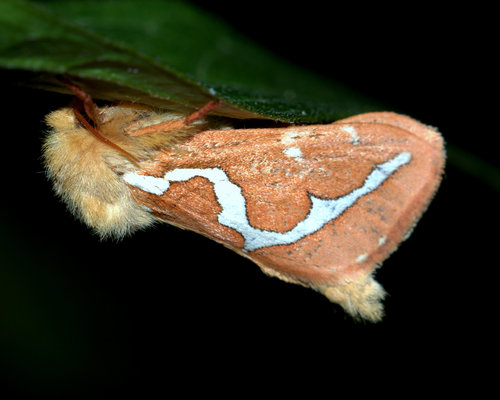
Gazoryctra novigannus (Barnes & Benjamin)
Gazoryctra novigannus (Barnes & Benjamin)
Gazoryctra novigannus is a Hepialidae moth first described in 1926, found across parts of North America.
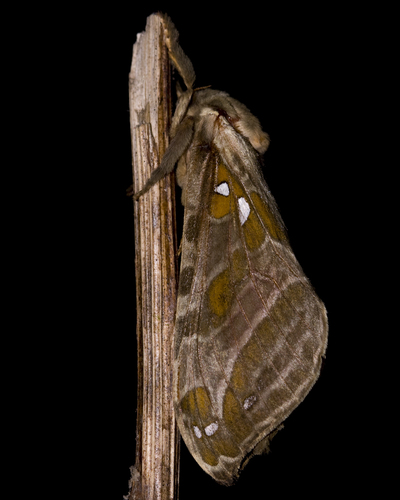
Sthenopis argenteomaculatus (Harris, 1841)
Sthenopis argenteomaculatus (Harris, 1841)
Sthenopis argenteomaculatus, the silver-spotted ghost moth, is a primitive-venation hepialid moth found in North America.
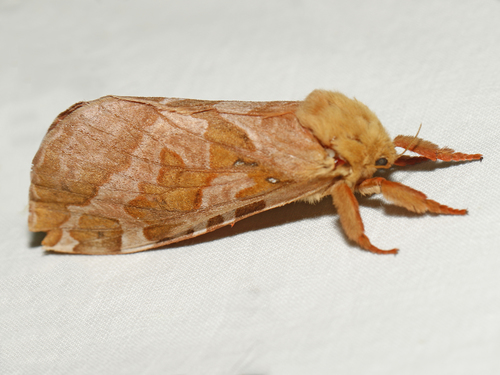
Sthenopis purpurascens (Packard, 1863)
Sthenopis purpurascens (Packard, 1863)
Sthenopis purpurascens, the four-spotted ghost moth, is a Hepialidae moth found in North America, with a 66–100 mm wingspan.
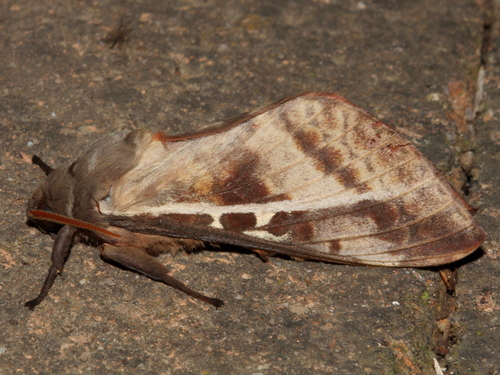
Oxycanus dirempta (Walker, 1856)
Oxycanus dirempta (Walker, 1856)
Oxycanus dirempta is a 60 mm wingspan Hepialidae moth found in New South Wales and Victoria.
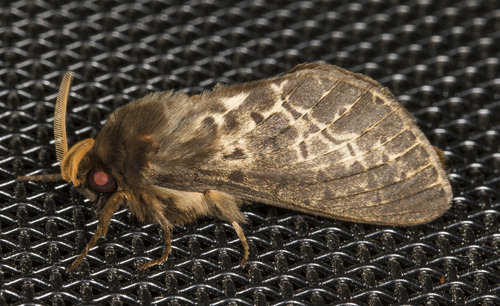
Oxycanus antipoda (Herrich-Schäffer)
Oxycanus antipoda (Herrich-Schäffer)
Oxycanus antipoda is a Hepialidae moth found in Tasmania and Victoria whose larvae feed on grasses.
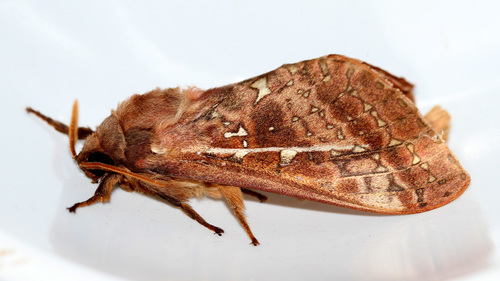
Oxycanus australis Walker, 1856
Oxycanus australis Walker, 1856
Oxycanus australis is a Hepialidae moth found in parts of southern Australia, with larvae possibly feeding on Leptospermum laevigatum.
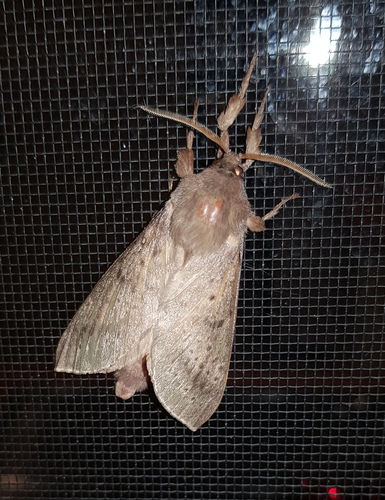
Oxycanus silvanus Tindale, 1935
Oxycanus silvanus Tindale, 1935
Oxycanus silvanus is a moth of the family Hepialidae found in three regions of southeastern Australia.
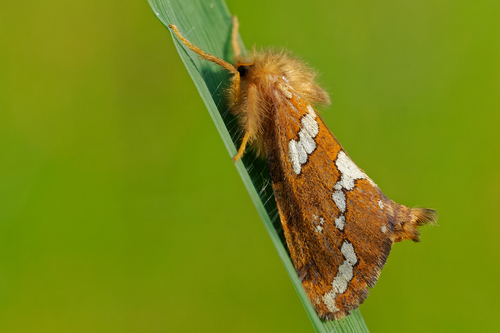
Phymatopus hecta (Linnaeus, 1758)
Phymatopus hecta (Linnaeus, 1758)
The gold swift (Phymatopus hecta) is a widespread primitive non-feeding moth of the Hepialidae family found in Europe and Asia.
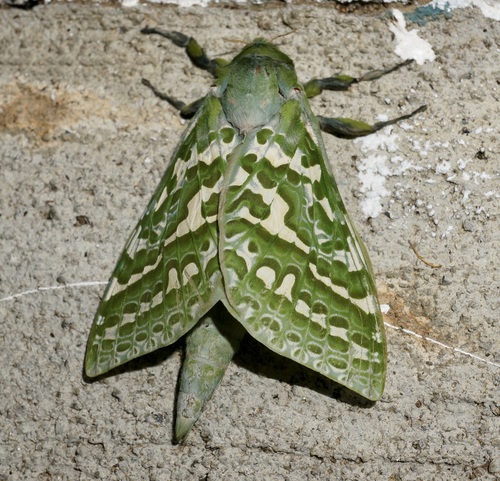
Aenetus virescens (Doubleday, 1843)
Aenetus virescens (Doubleday, 1843)
Aenetus virescens, the pūriri moth, is New Zealand's largest native winged insect with a multi-year life cycle centered in forests.
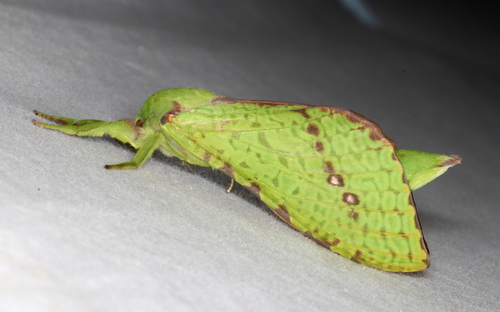
Aenetus eximia (Scott, 1869)
Aenetus eximia (Scott, 1869)
Aenetus eximia is a Hepialidae moth found in eastern Australia, with tunneling host-feeding larvae.
Related Families
Start Exploring Nature Today
Download iNature for free. 10 identifications on us. No account needed. No credit card required.
Download Free on App Store
