Cricetidae
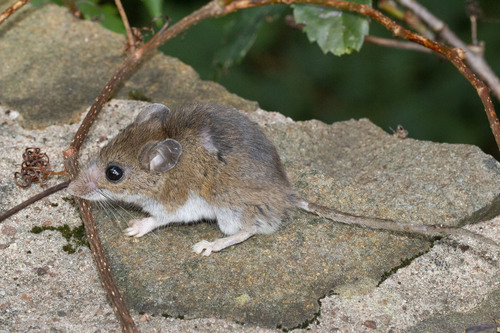
Peromyscus leucopus (Rafinesque, 1818)
Peromyscus leucopus (Rafinesque, 1818)
Peromyscus leucopus is a mouse species where urban populations evolved more efficient sperm due to intensified sperm competition.
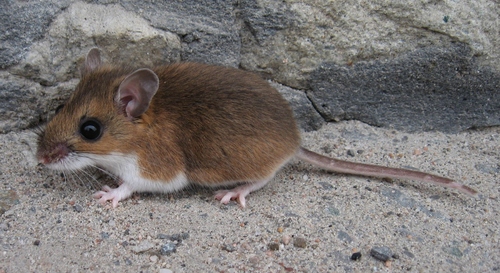
Peromyscus maniculatus (Wagner, 1845)
Peromyscus maniculatus (Wagner, 1845)
Peromyscus maniculatus, the eastern deermouse, is a small North American rodent with distinct prairie and woodland subspecies.
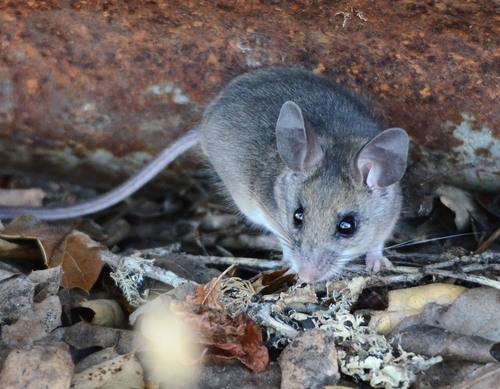
Peromyscus truei (Shufeldt, 1885)
Peromyscus truei (Shufeldt, 1885)
Peromyscus truei, the pinyon mouse, is a small rodent with distinct physical traits and flexible habitat preferences across North America.
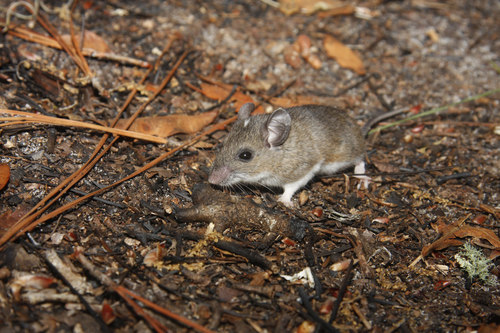
Peromyscus gossypinus (Le Conte, 1853)
Peromyscus gossypinus (Le Conte, 1853)
Peromyscus gossypinus, the cotton mouse, is a small mouse native to the southeastern US, with two subspecies one extinct and one endangered.
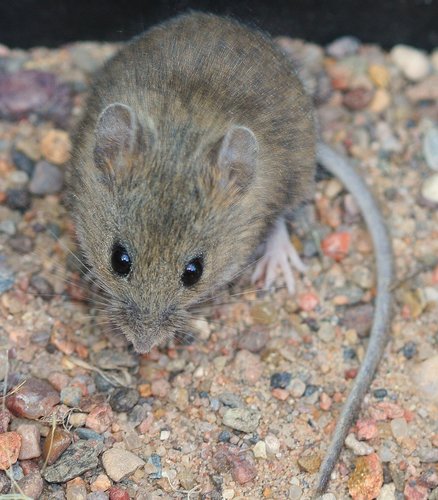
Reithrodontomys megalotis (Baird, 1857)
Reithrodontomys megalotis (Baird, 1857)
Reithrodontomys megalotis, the western harvest mouse, is a small North American rodent with no sexual dimorphism.
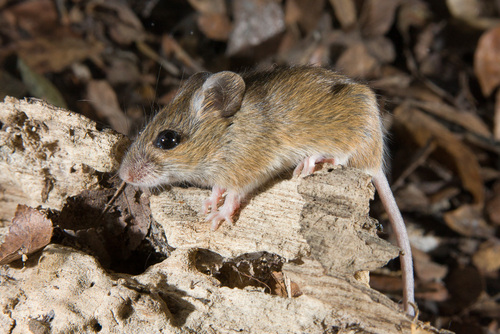
Reithrodontomys fulvescens J.A.Allen, 1894
Reithrodontomys fulvescens J.A.Allen, 1894
Reithrodontomys fulvescens, the fulvous harvest mouse, is a small New World mouse with 17 recognized subspecies found from Central America to the southern US.
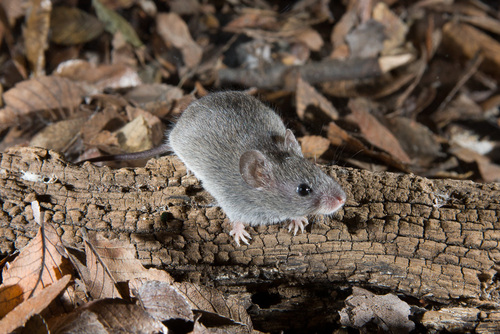
Baiomys taylori (Thomas, 1887)
Baiomys taylori (Thomas, 1887)
Baiomys taylori, the northern pygmy mouse, is a small rodent with varied traits, reproduction, and ecology.
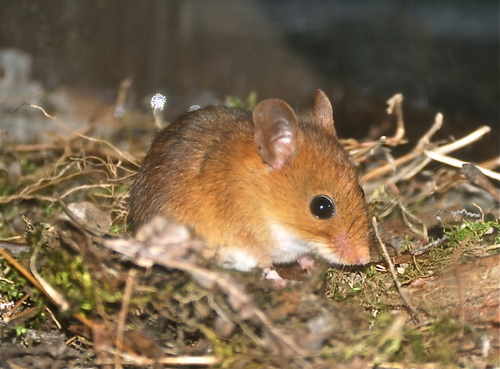
Ochrotomys nuttalli (Harlan, 1832)
Ochrotomys nuttalli (Harlan, 1832)
Ochrotomys nuttalli, the golden mouse, is a small rodent native to the southeastern United States with distinctive golden fur.
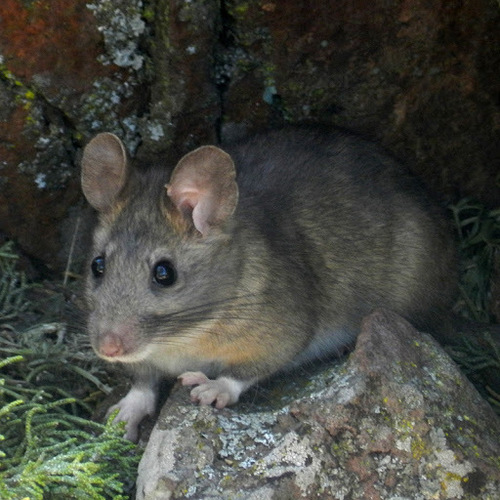
Neotoma cinerea (Ord, 1815)
Neotoma cinerea (Ord, 1815)
Neotoma cinerea, the bushy-tailed woodrat, is the largest cold-tolerant woodrat native to western North America, with distinct traits and a documented life cycle.
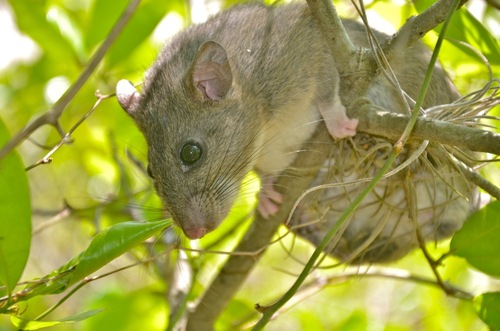
Neotoma floridana (Ord, 1818)
Neotoma floridana (Ord, 1818)
Neotoma floridana, the eastern woodrat, is a medium-sized solitary North American rodent with decreasing populations.
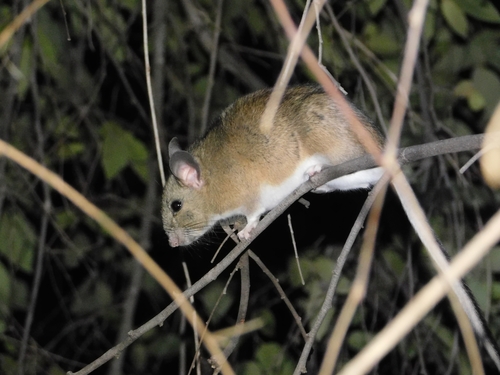
Neotoma albigula Hartley, 1894
Neotoma albigula Hartley, 1894
Neotoma albigula, the white-throated woodrat, is a North American cricetid rodent living in arid western habitats.
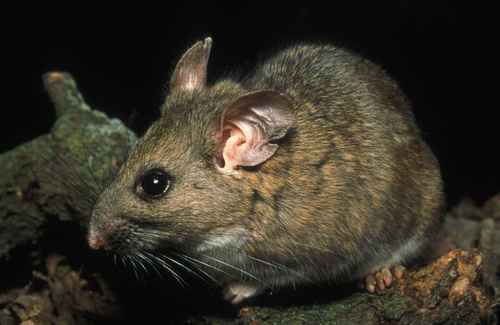
Neotoma fuscipes Baird, 1857
Neotoma fuscipes Baird, 1857
Dusky-footed woodrat is a nocturnal cricetid rodent found along the US and Mexican Pacific coast, known for building large dens.
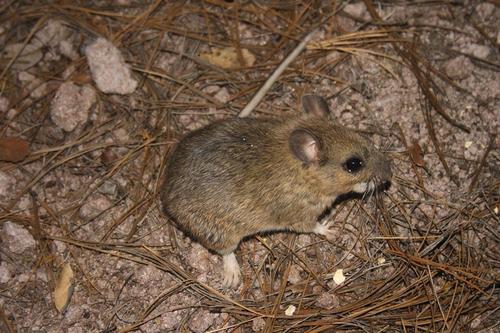
Neotoma mexicana Baird, 1855
Neotoma mexicana Baird, 1855
Neotoma mexicana is a generalist-feeding rodent found from the southwestern US south to Honduras, mostly living in highland open coniferous forests.
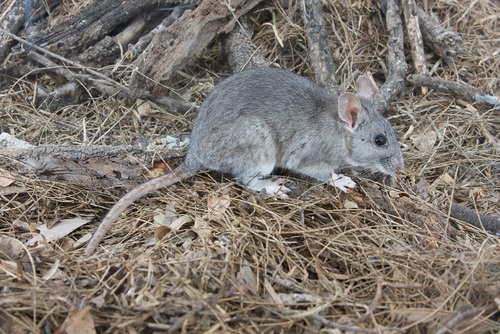
Neotoma micropus Baird, 1855
Neotoma micropus Baird, 1855
Neotoma micropus, the Southern Plains woodrat, is a vegetarian rodent found in semi-arid North American habitats.
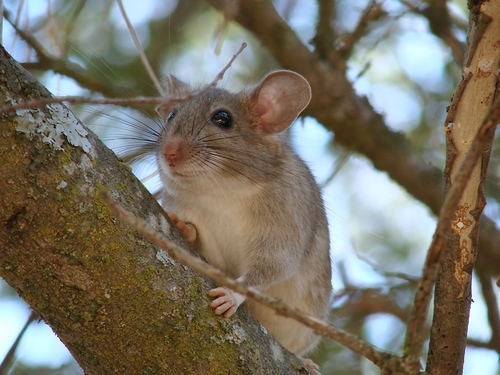
Neotoma macrotis Thomas, 1893
Neotoma macrotis Thomas, 1893
The big-eared woodrat is a nocturnal cricetid rodent endemic to western North America, a keystone forest herbivore.
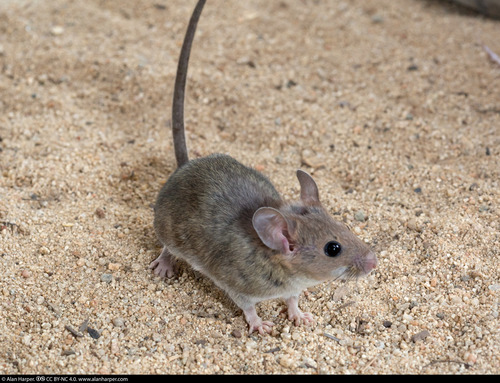
Neotoma bryanti Merriam, 1887
Neotoma bryanti Merriam, 1887
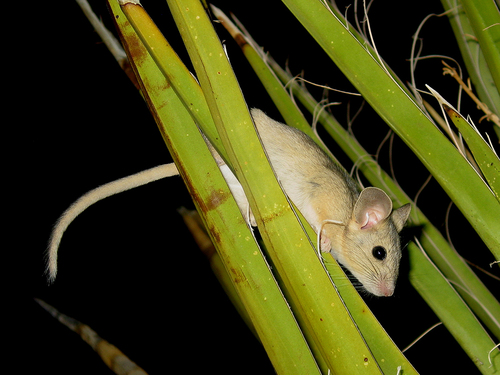
Neotoma bryanti, or Bryant's woodrat, is a New World cricetid rodent native to the Southwestern US and Mexico.
Neotoma lepida Thomas, 1893
Neotoma lepida Thomas, 1893
Neotoma lepida (desert woodrat) is a small pack rat species found in western North American arid and rocky habitats.

Mesocricetus auratus (Waterhouse, 1839)
Mesocricetus auratus (Waterhouse, 1839)
Mesocricetus auratus, the golden/Syrian hamster, is a small rodent with expandable cheek pouches and very short gestation.
Phodopus sungorus (Pallas, 1773)
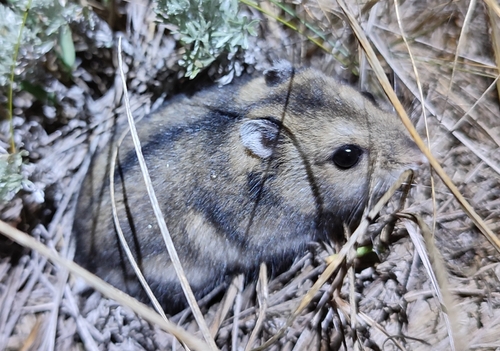
Phodopus sungorus (Pallas, 1773)
This is a full physical description of the winter white dwarf hamster (Phodopus sungorus), covering size, coloration, and seasonal moulting.
Phodopus roborovskii (Satunin, 1903)
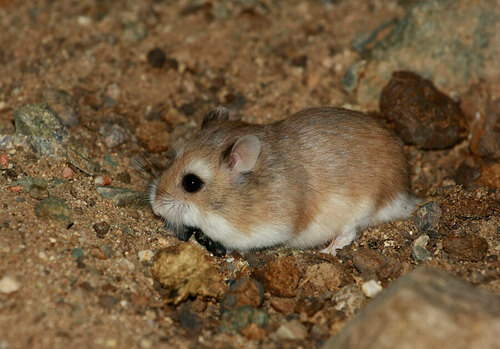
Phodopus roborovskii (Satunin, 1903)
Phodopus roborovskii, the Roborovski hamster, is the smallest Phodopus hamster, native to Central Asian deserts.
Cricetus cricetus (Linnaeus, 1758)
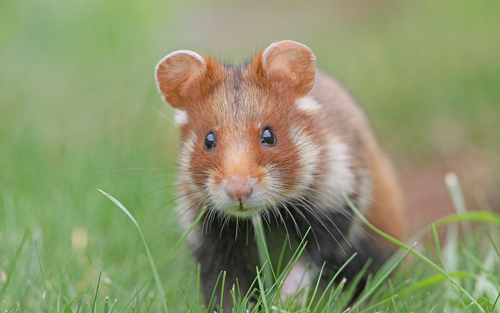
Cricetus cricetus (Linnaeus, 1758)
Cricetus cricetus, the European hamster, is the largest known hamster species, found across parts of western, central, and eastern Europe.
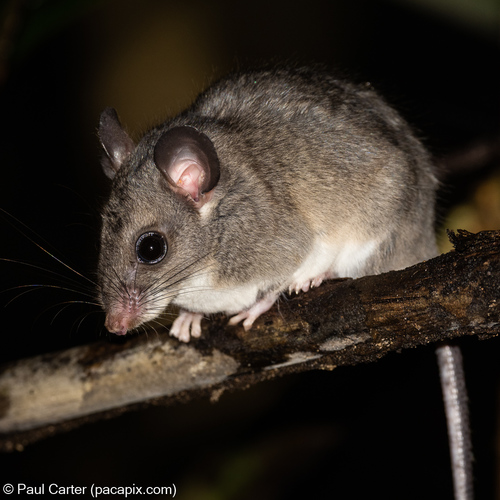
Ototylomys phyllotis Merriam, 1901
Ototylomys phyllotis Merriam, 1901
Ototylomys phyllotis, the big-eared climbing rat, is a widely distributed cricetid rodent found from Mexico to Costa Rica.
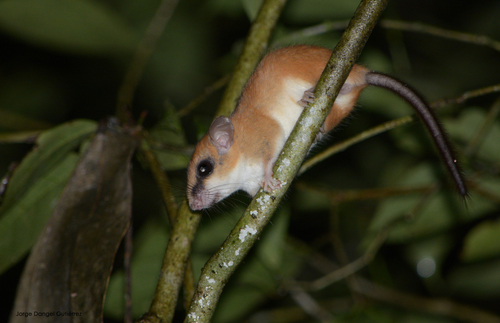
Nyctomys sumichrasti (Saussure, 1860)
Nyctomys sumichrasti (Saussure, 1860)
Nyctomys sumichrasti, Sumichrast's vesper rat, is a small climbing rat found in forests from Mexico to Panama.
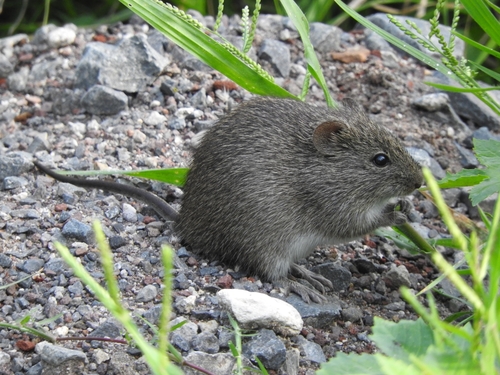
Sigmodon leucotis Bailey, 1902
Sigmodon leucotis Bailey, 1902
Sigmodon leucotis, the white-eared cotton rat, is a cricetid rodent species found only in Mexico.
Related Families
Start Exploring Nature Today
Download iNature for free. 10 identifications on us. No account needed. No credit card required.
Download Free on App Store
