Cercopithecidae
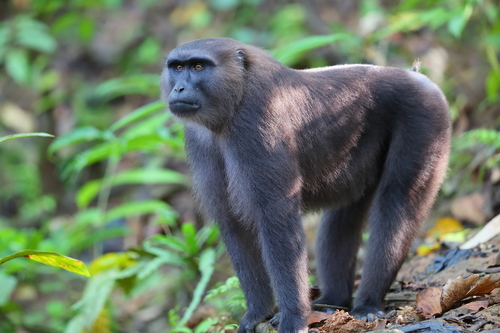
Macaca maura (Schinz, 1825)
Macaca maura (Schinz, 1825)
Moor macaque (Macaca maura) is an endangered endemic macaque of Sulawesi, Indonesia, playing an important ecological role in forests.
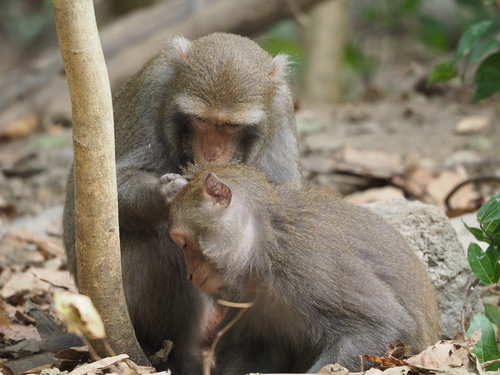
Macaca cyclopis (Swinhoe, 1863)
Macaca cyclopis (Swinhoe, 1863)
This is a summary of key physical and reproductive traits of the Formosan rock macaque, Macaca cyclopis.
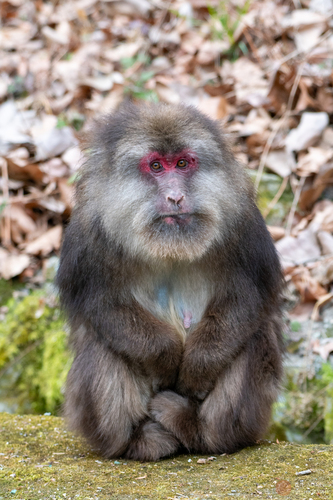
Macaca thibetana (A.Milne-Edwards, 1870)
Macaca thibetana (A.Milne-Edwards, 1870)
The Tibetan macaque is the largest macaque species, a large Asian monkey with distinct size and color differences between sexes.
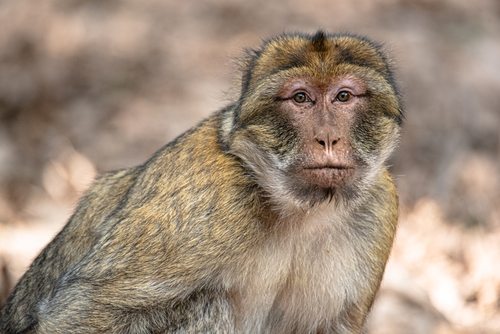
Macaca sylvanus (Linnaeus, 1758)
Macaca sylvanus (Linnaeus, 1758)
This is a detailed description of the Barbary macaque, covering its physical traits, distribution, behavior, and interactions with humans.
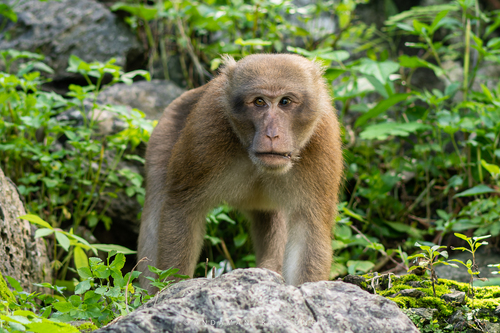
Macaca assamensis (McClelland, 1840)
Macaca assamensis (McClelland, 1840)
The Assam macaque is an Old World monkey with characteristic dark facial skin and parted crown hair, found across South and Southeast Asia.
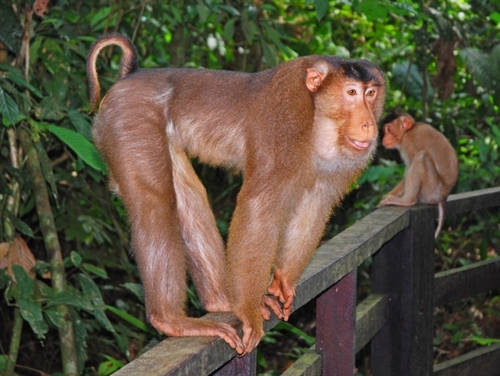
Macaca nemestrina (Linnaeus, 1766)
Macaca nemestrina (Linnaeus, 1766)
Macaca nemestrina, the pig-tailed macaque, is a southern Southeast Asian macaque with a characteristic pig-like short tail.
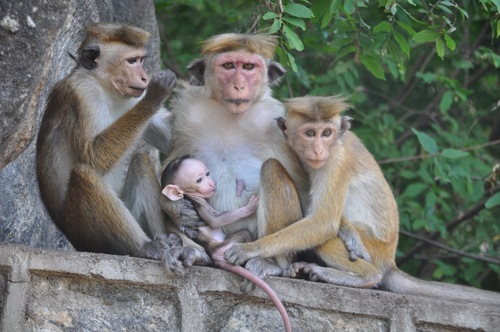
Macaca sinica (Linnaeus, 1771)
Macaca sinica (Linnaeus, 1771)
This is a description of the toque macaque Macaca sinica, covering physical traits, subspecies distributions, and reproductive habits.
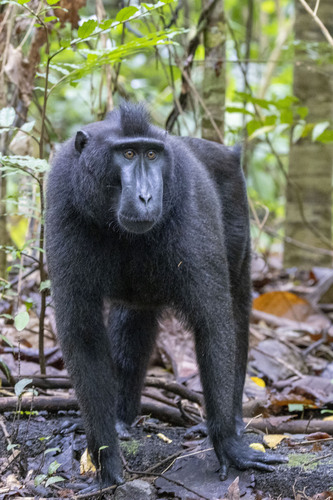
Macaca nigra (Desmarest, 1822)
Macaca nigra (Desmarest, 1822)
Macaca nigra, the Celebes crested macaque, is a small black macaque with a vestigial tail native to Indonesian islands.
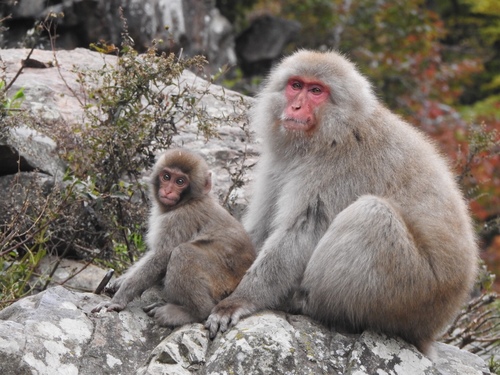
Macaca fuscata (Blyth, 1875)
Macaca fuscata (Blyth, 1875)
The Japanese macaque (Macaca fuscata) is the northernmost non-human primate, native to Japan, with an introduced troop living in Texas.
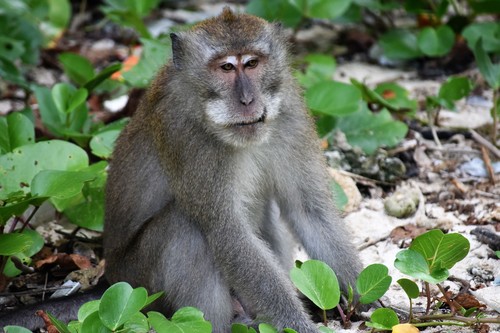
Macaca fascicularis (Raffles, 1821)
Macaca fascicularis (Raffles, 1821)
Macaca fascicularis, the crab-eating macaque, is a sexually dimorphic, highly adaptive primate native to Southeast Asia that uses tools.
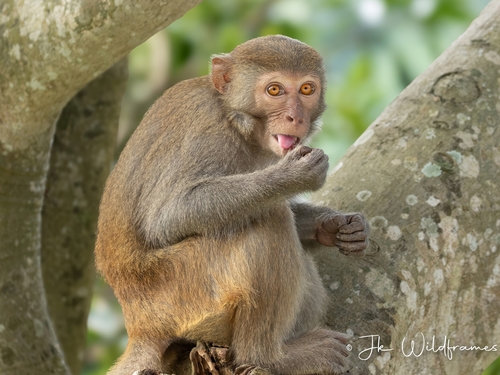
Macaca mulatta (Zimmermann, 1780)
Macaca mulatta (Zimmermann, 1780)
Macaca mulatta, the rhesus macaque, is a widespread, adaptable Asian primate often used in cognitive research.
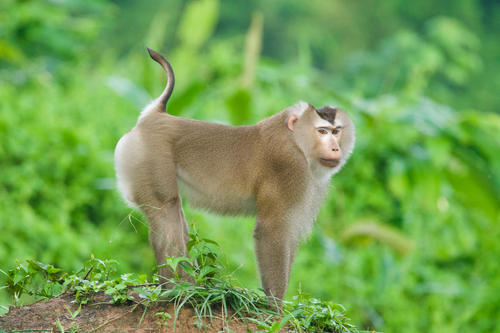
Macaca leonina (Blyth, 1863)
Macaca leonina (Blyth, 1863)
Macaca leonina, the northern pig-tailed macaque, is a vulnerable primate found across South and Southeast Asia with matriarchal social groups.
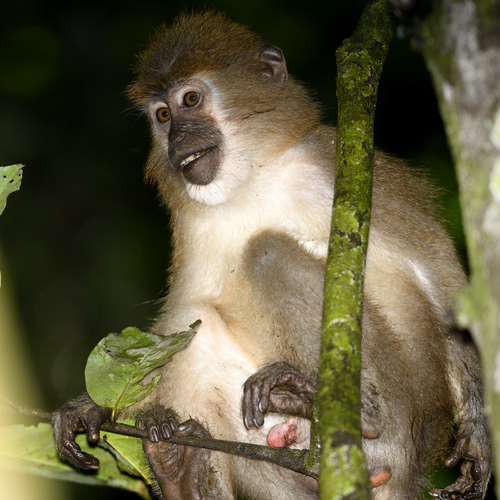
Cercocebus agilis A.Milne-Edwards, 1886
Cercocebus agilis A.Milne-Edwards, 1886
Cercocebus agilis, the agile mangabey, is a primate with distinct physical traits and clear sexual size dimorphism.
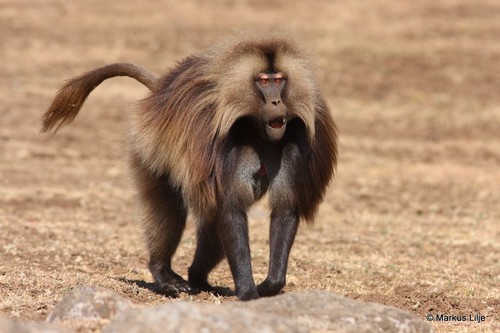
Theropithecus gelada (Rüppell, 1835)
Theropithecus gelada (Rüppell, 1835)
Theropithecus gelada, the gelada, is a grass-eating Ethiopian highland primate with a distinctive chest skin patch.
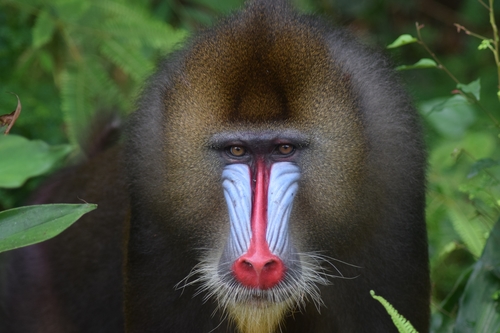
Mandrillus sphinx (Linnaeus, 1758)
Mandrillus sphinx (Linnaeus, 1758)
Mandrillus sphinx, the mandrill, is the largest monkey and one of the world's most colorful mammals native to west-central African tropical forests.
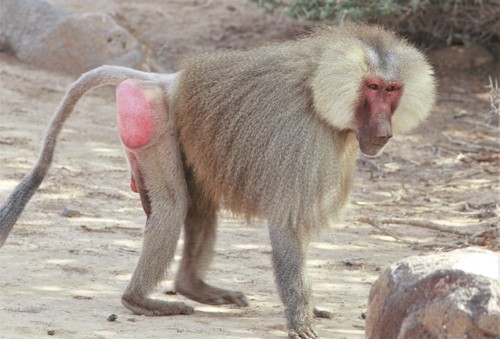
Papio hamadryas (Linnaeus, 1758)
Papio hamadryas (Linnaeus, 1758)
Papio hamadryas, the hamadryas baboon, is a sexually dimorphic omnivorous baboon found across the Horn of Africa and southwestern Arabia.
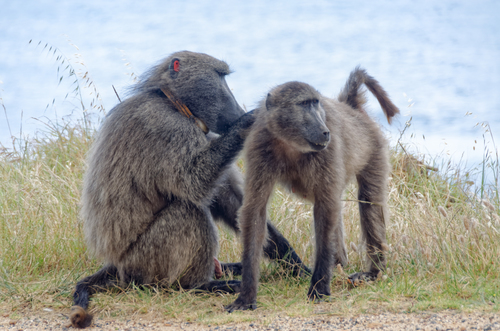
Papio ursinus (Kerr, 1792)
Papio ursinus (Kerr, 1792)
Chacma baboon (Papio ursinus) is a large sexually dimorphic monkey native to southern Africa, with three distinct subspecies.
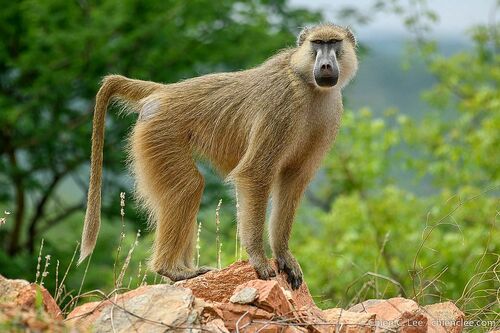
Papio cynocephalus (Linnaeus, 1766)
Papio cynocephalus (Linnaeus, 1766)
The yellow baboon (Papio cynocephalus) is a successful non-threatened Old World monkey native to eastern Africa.
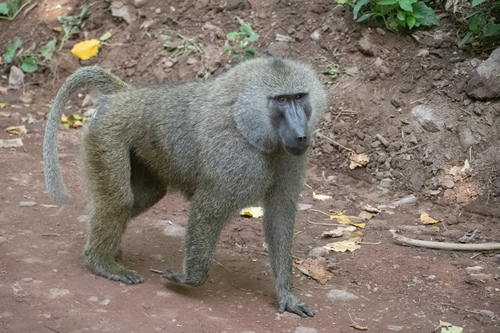
Papio anubis (Lesson, 1827)
Papio anubis (Lesson, 1827)
The olive baboon (Papio anubis) is a large equatorial African primate with distinct physical traits and social reproductive behaviour.
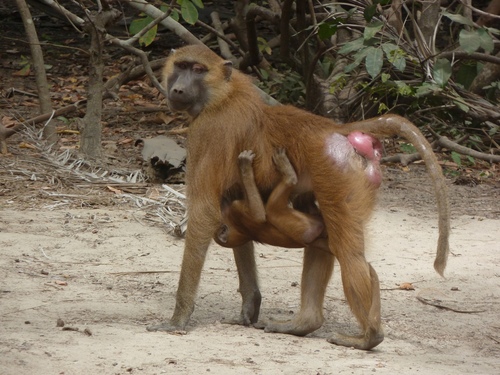
Papio papio (Desmarest, 1820)
Papio papio (Desmarest, 1820)
Papio papio, the Guinean red baboon, is a small West African baboon species with distinct sexual dimorphism.
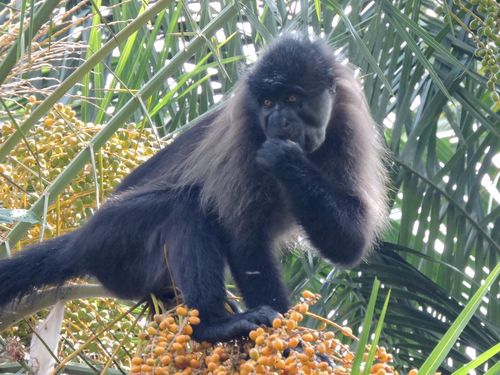
Lophocebus albigena ugandae (Matschie, 1912)
Lophocebus albigena ugandae (Matschie, 1912)
The grey-cheeked mangabey is an Old World monkey living in Central African forests, with defined physical, social, and feeding traits.
Related Families
Start Exploring Nature Today
Download iNature for free. 10 identifications on us. No account needed. No credit card required.
Download Free on App Store
