Callitrichidae
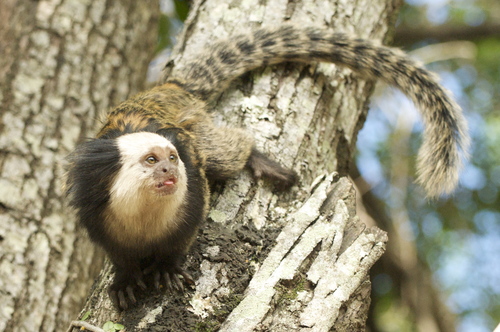
Callithrix geoffroyi (Humboldt, 1812)
Callithrix geoffroyi (Humboldt, 1812)
Callithrix geoffroyi, the white-headed marmoset, is a marmoset endemic to eastern Brazilian forests with a diet of fruit, insects and tree gum.
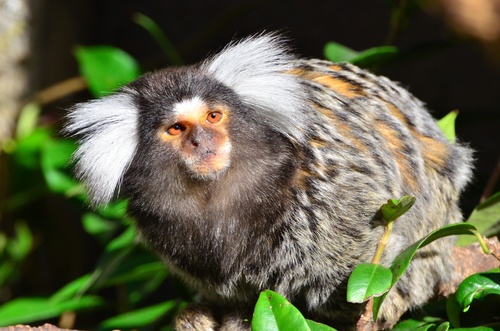
Callithrix jacchus (Linnaeus, 1758)
Callithrix jacchus (Linnaeus, 1758)
Callithrix jacchus, the common marmoset, is a small Brazilian monkey with cooperative breeding and specialized arboreal adaptations.
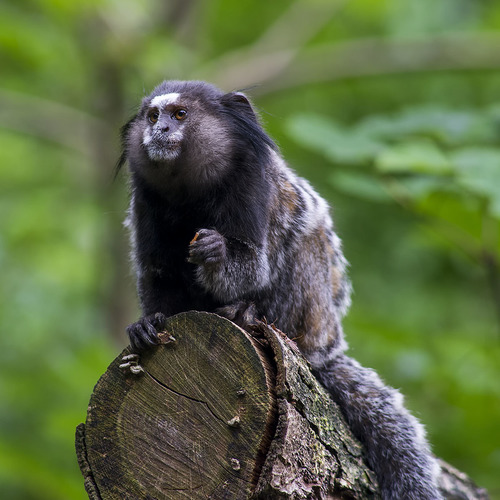
Callithrix penicillata (É.Geoffroy Saint-Hilaire, 1812)
Callithrix penicillata (É.Geoffroy Saint-Hilaire, 1812)
Callithrix penicillata, the black-tufted marmoset, is a small New World monkey with distinct physical traits, specific behaviors, diet, and predator responses.
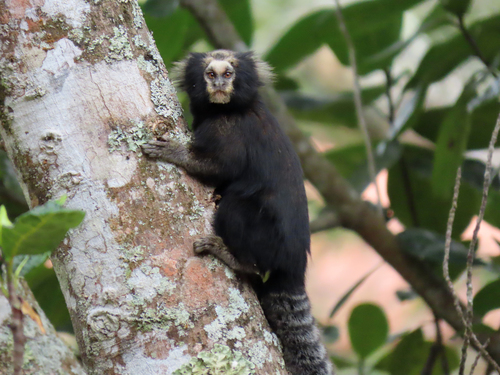
Callithrix aurita (É.Geoffroy Saint-Hilaire, 1812)
Callithrix aurita (É.Geoffroy Saint-Hilaire, 1812)
Callithrix aurita, the buffy-tufted marmoset, is a marmoset endemic to southern Brazil's Atlantic Forest with specific morphology, distribution, and ecology.
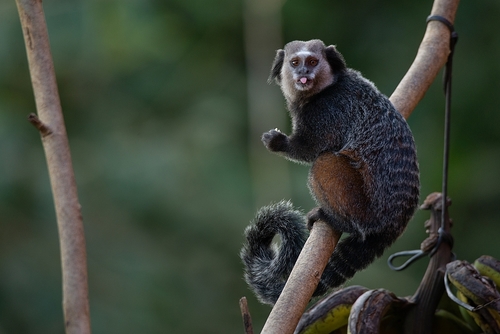
Callithrix kuhlii Coimbra-Filho, 1985
Callithrix kuhlii Coimbra-Filho, 1985
Wied's marmoset is a New World monkey living in eastern Brazil's forests, with matriarchal social groups and twin offspring.
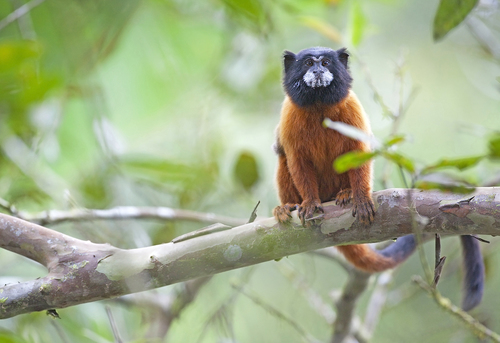
Leontocebus tripartitus (A.Milne-Edwards, 1878)
Leontocebus tripartitus (A.Milne-Edwards, 1878)
Leontocebus tripartitus is a monomorphic tamarin species that lives in small polygynandrous social groups with unique reproductive traits.
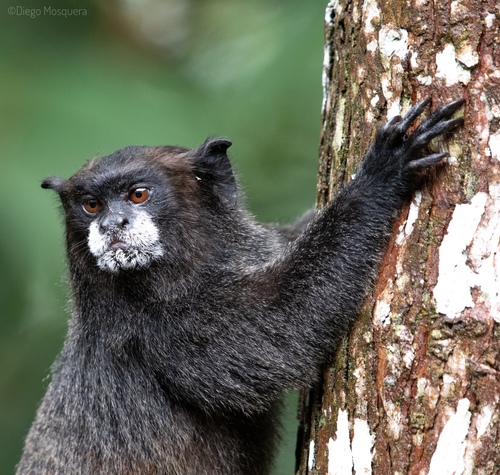
Leontocebus nigricollis (Spix, 1823)
Leontocebus nigricollis (Spix, 1823)
Leontocebus nigricollis, the black-mantled tamarin, is a saddle-back tamarin from the northwestern Amazon with three subspecies.
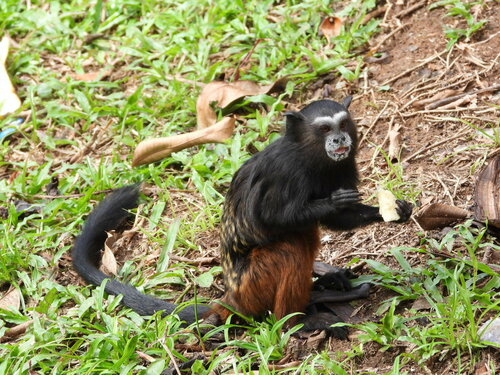
Leontocebus weddelli (Deville, 1849)
Leontocebus weddelli (Deville, 1849)
Weddell's saddle-back tamarin (Leontocebus weddelli) is a small South American monkey classified as least concern by the IUCN.
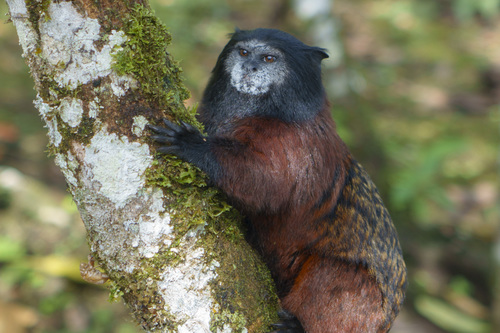
Leontocebus lagonotus (Jiménez de la Espada, 1870)
Leontocebus lagonotus (Jiménez de la Espada, 1870)
Leontocebus lagonotus, the red-mantled saddle-back tamarin, is a small South American monkey currently rated least concern by the IUCN.

Saguinus bicolor (Spix, 1823)
Saguinus bicolor (Spix, 1823)
Saguinus bicolor, the pied tamarin, is a small New World monkey found in Brazil with a specific social and reproductive structure.
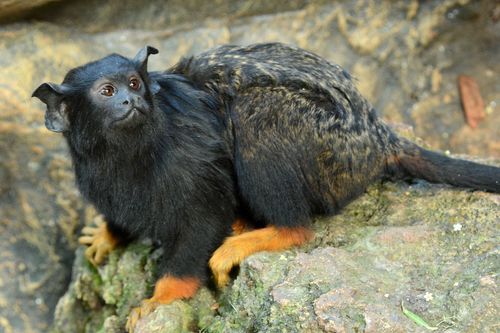
Saguinus midas (Linnaeus, 1758)
Saguinus midas (Linnaeus, 1758)
Saguinus midas, the golden-handed tamarin, is a small New World monkey found north of the Amazon River.
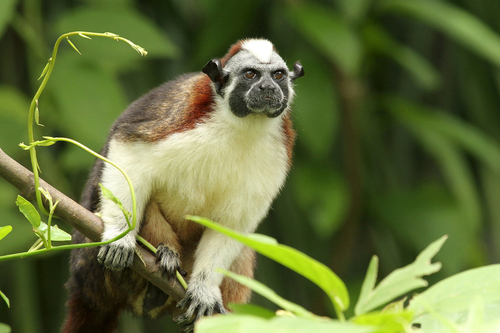
Saguinus geoffroyi (Pucheran, 1845)
Saguinus geoffroyi (Pucheran, 1845)
Geoffroy's tamarin (Saguinus geoffroyi) is the smallest Central American monkey, found in Panama and Colombia, with specific physical and reproductive traits.
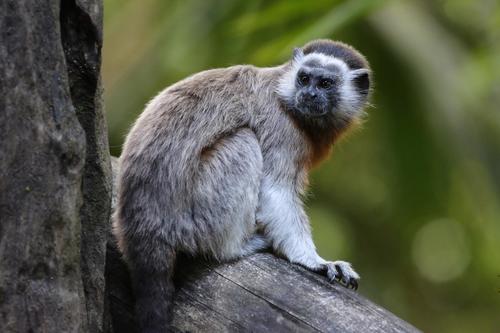
Saguinus leucopus (Günther, 1877)
Saguinus leucopus (Günther, 1877)
Saguinus leucopus, the white-footed tamarin, is a small New World primate with distinct physical traits and specific forest habitat preferences.
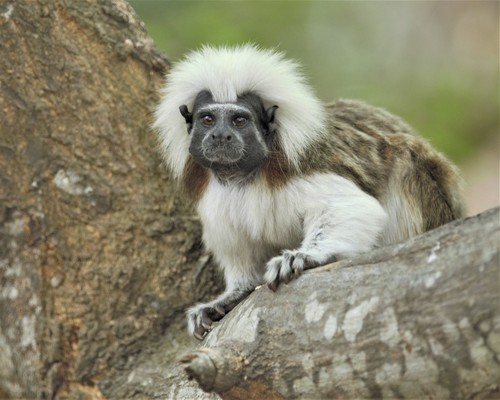
Saguinus oedipus (Linnaeus, 1758)
Saguinus oedipus (Linnaeus, 1758)
Saguinus oedipus, the cotton-top tamarin, is a small bare-faced tamarin endemic to northwest Colombia, with specialized food vocalizations.
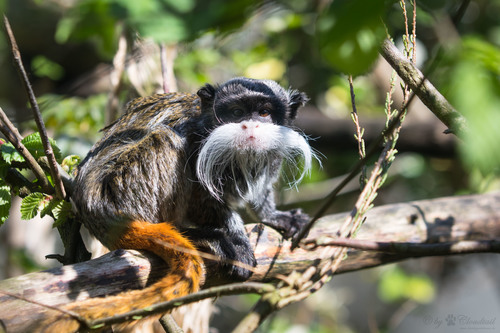
Saguinus imperator (Goeldi, 1907)
Saguinus imperator (Goeldi, 1907)
This is a detailed biological description of the emperor tamarin (Saguinus imperator), covering its physical traits, habitat, behavior, distribution, and reproduction.
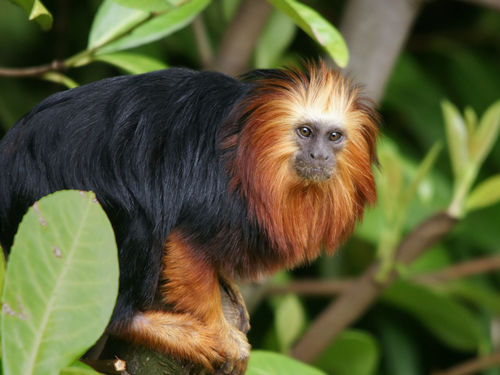
Leontopithecus chrysomelas (Kuhl, 1820)
Leontopithecus chrysomelas (Kuhl, 1820)
The golden-headed lion tamarin is an endangered lion tamarin endemic to fragmented Bahia, Brazil tropical forests.
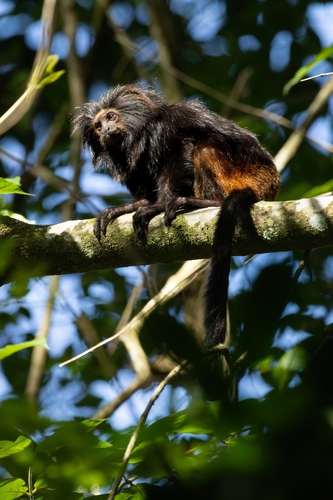
Leontopithecus chrysopygus (Mikan, 1823)
Leontopithecus chrysopygus (Mikan, 1823)
The black lion tamarin is a rare, São Paulo-endemic New World monkey thought extinct until 1970.
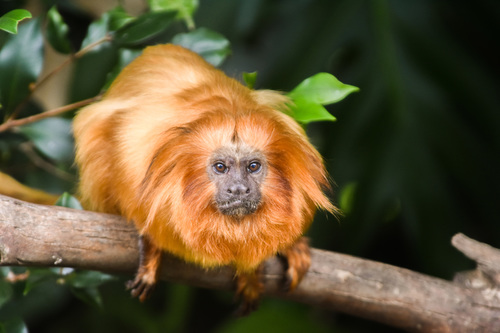
Leontopithecus rosalia (Linnaeus, 1766)
Leontopithecus rosalia (Linnaeus, 1766)
Leontopithecus rosalia, the golden lion tamarin, is a small territorial callitrichid monkey endemic to Atlantic Forest fragments in Rio de Janeiro, Brazil.
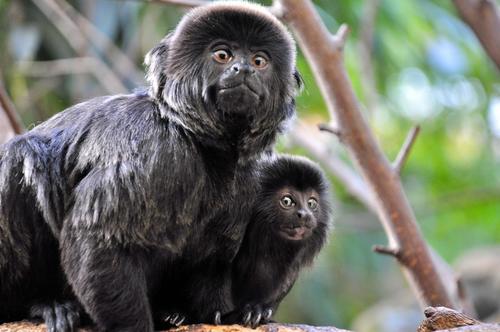
Callimico goeldii (Thomas, 1904)
Callimico goeldii (Thomas, 1904)
Goeldi's marmoset (Callimico goeldii) is a small rare New World monkey native to the upper Amazon basin of South America.
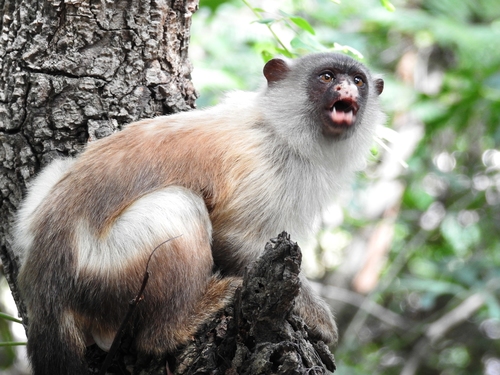
Mico melanurus (É.Geoffroy Saint-Hilaire, 1812)
Mico melanurus (É.Geoffroy Saint-Hilaire, 1812)
Mico melanurus, the black-tailed marmoset, is a small New World monkey found in central South America.
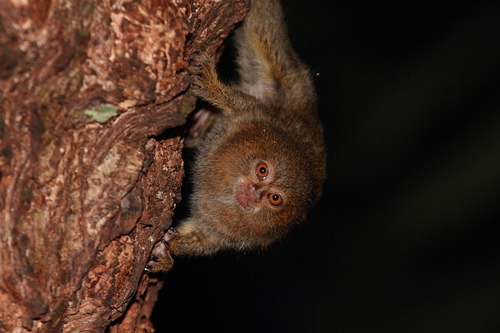
Cebuella niveiventris Lönnberg, 1940
Cebuella niveiventris Lönnberg, 1940
The eastern pygmy marmoset (Cebuella niveiventris) is a very small New World monkey found in South America south of the Amazon River.
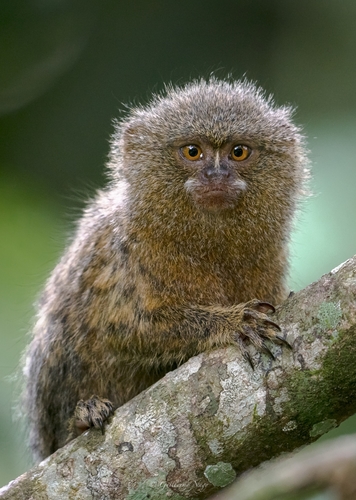
Cebuella pygmaea (Spix, 1823)
Cebuella pygmaea (Spix, 1823)
The western pygmy marmoset is the world’s smallest monkey, native to the rainforests and swamps of western South America.
Related Families
Start Exploring Nature Today
Download iNature for free. 10 identifications on us. No account needed. No credit card required.
Download Free on App Store
