Aphididae
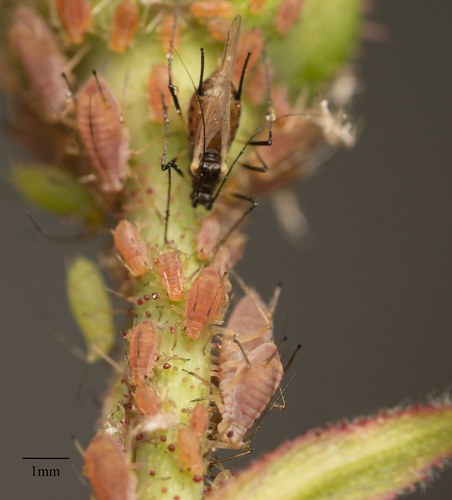
Macrosiphum rosae (Linnaeus, 1758)
Macrosiphum rosae (Linnaeus, 1758)
Macrosiphum rosae, the rose aphid, is an aphid species with distinct forms and a seasonal life cycle centered on roses.
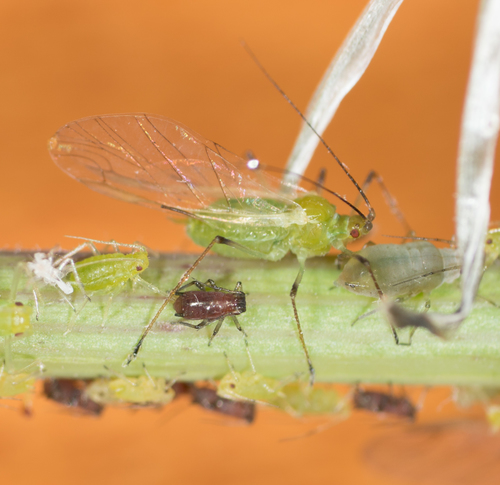
Macrosiphum euphorbiae (Thomas, 1878)
Macrosiphum euphorbiae (Thomas, 1878)
Macrosiphum euphorbiae, the potato aphid, is an aphid species that originated in North America and spread to potato-growing temperate regions worldwide.
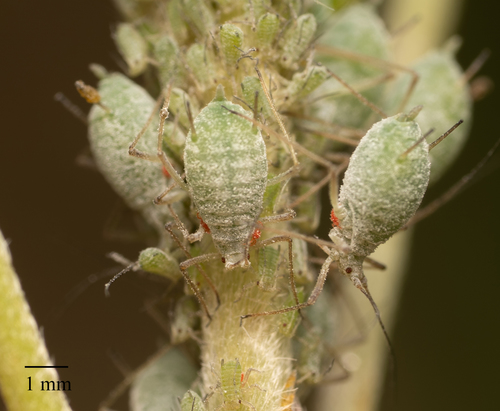
Macrosiphum albifrons Essig, 1911
Macrosiphum albifrons Essig, 1911
Macrosiphum albifrons, the lupin aphid, is a large North American aphid now widespread in the UK that damages lupins.
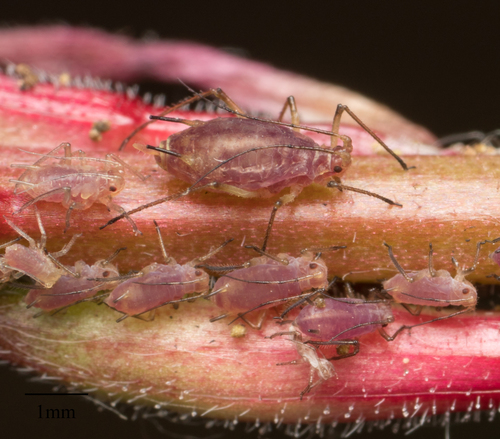
Macrosiphum gaurae (Williams, 1911)
Macrosiphum gaurae (Williams, 1911)
Macrosiphum gaurae, the beeblossom aphid, is an aphid endemic to North America, ranging coast to coast with rare spotty occurrence from BC to Oregon.
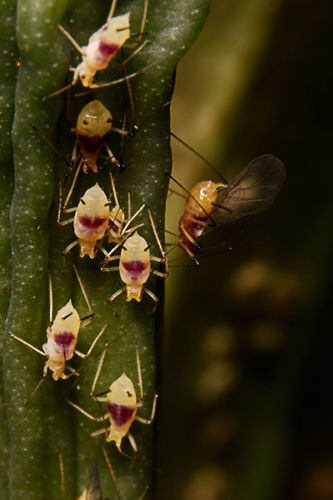
Macrosiphum lilii (Monell, 1880)
Macrosiphum lilii (Monell, 1880)
Macrosiphum lilii (the purple-spotted lily aphid) is an Aphididae species that feeds on plant phloem sap.
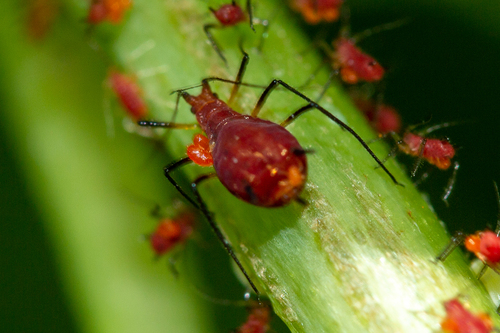
Uroleucon obscuricaudatum (Olive, 1965)
Uroleucon obscuricaudatum (Olive, 1965)
Uroleucon obscuricaudatum is a North American aphid species that feeds on Heliopsis helianthoides.
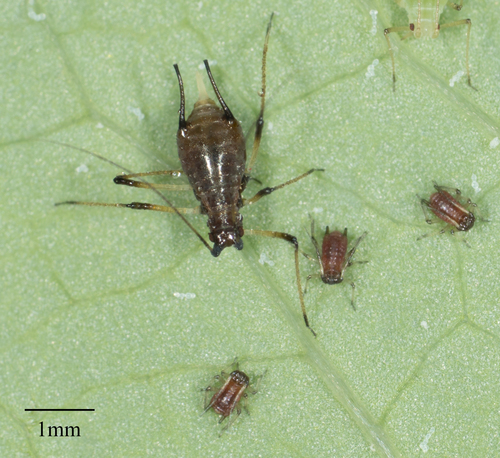
Uroleucon sonchi (Linnaeus, 1767)
Uroleucon sonchi (Linnaeus, 1767)
Uroleucon sonchi is a Palaearctic aphid, a lettuce pest that mostly feeds on sow thistles, introduced widely across the world.
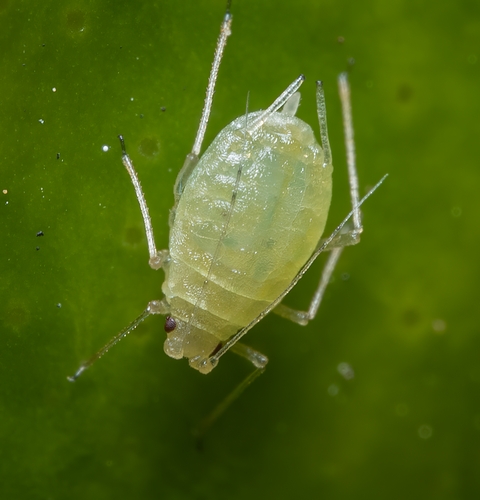
Myzus persicae (Sulzer, 1776)
Myzus persicae (Sulzer, 1776)
Myzus persicae, the green peach aphid, is a widespread agricultural pest with variable morphology and cyclical parthenogenesis.
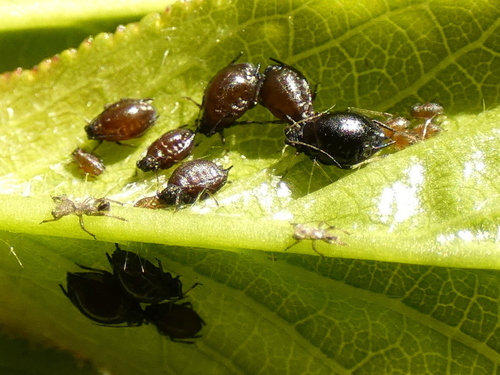
Myzus cerasi (Fabricius, 1775)
Myzus cerasi (Fabricius, 1775)
Myzus cerasi, the black cherry aphid, is a sap-sucking hemipteran pest of cherries distributed across Europe and parts of Asia.
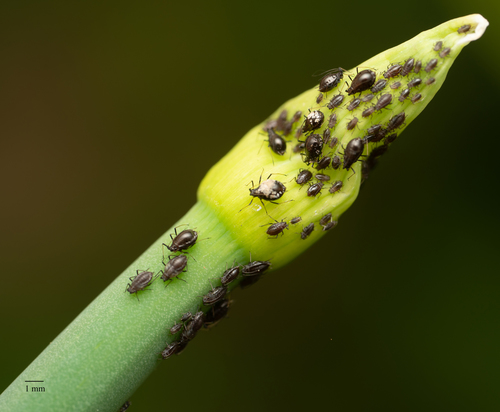
Neotoxoptera formosana (Takahashi, 1921)
Neotoxoptera formosana (Takahashi, 1921)
Neotoxoptera formosana, the onion aphid, is a globally spread Hemiptera that feeds on Allium plants and carries two potyviruses.
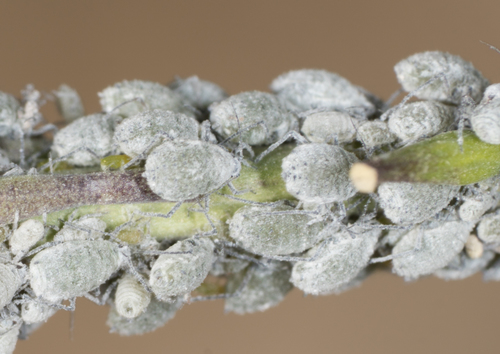
Brevicoryne brassicae (Linnaeus, 1758)
Brevicoryne brassicae (Linnaeus, 1758)
Brevicoryne brassicae, the cabbage aphid, is a destructive Brassicaceae-feeding aphid native to Europe now widespread globally.
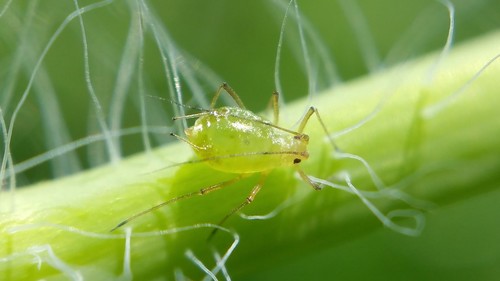
Aulacorthum solani (Kaltenbach, 1843)
Aulacorthum solani (Kaltenbach, 1843)
Aulacorthum solani is a sap-sucking true bug aphid in the order Hemiptera, known as foxglove or glasshouse-potato aphid.
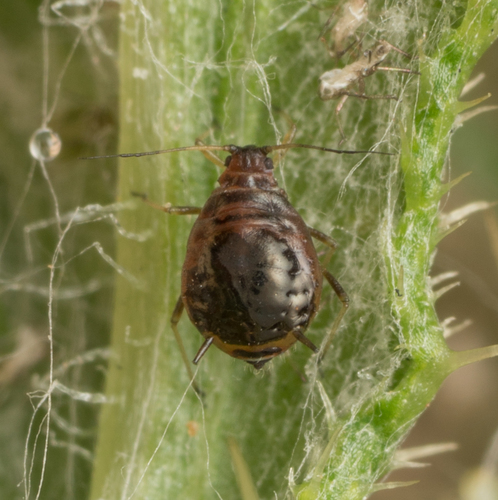
Brachycaudus cardui Linnaeus, 1758
Brachycaudus cardui Linnaeus, 1758
Brachycaudus cardui is an aphid species with a wide distribution across Europe, Asia, North Africa, and North America.
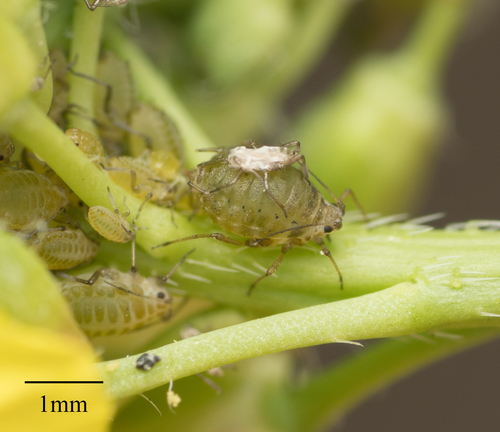
Lipaphis pseudobrassicae (Davis, 1914)
Lipaphis pseudobrassicae (Davis, 1914)
Lipaphis pseudobrassicae, the turnip aphid, is an Aphididae aphid that feeds on multiple Brassica and wild host plants.
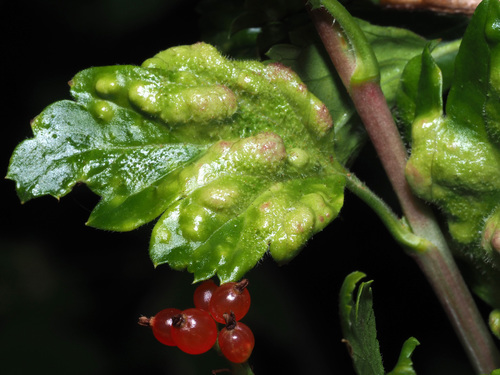
Cryptomyzus ribis (Linnaeus, 1758)
Cryptomyzus ribis (Linnaeus, 1758)
Cryptomyzus ribis is an aphid that causes galls on currant and gooseberry leaves, and lives across most of mainland Europe.
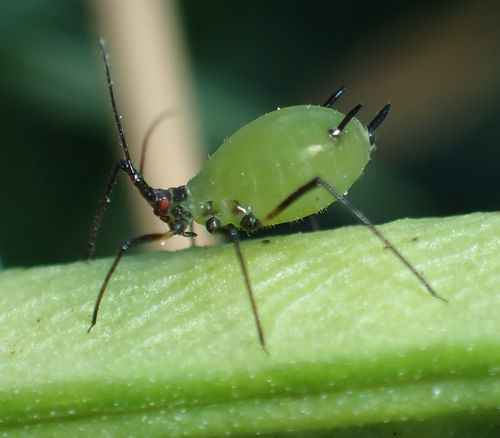
Megoura viciae Buckton, 1876
Megoura viciae Buckton, 1876
Megoura viciae is an aphid species with distinct colouration, distributed across multiple world regions, that lives on leguminous host plants.
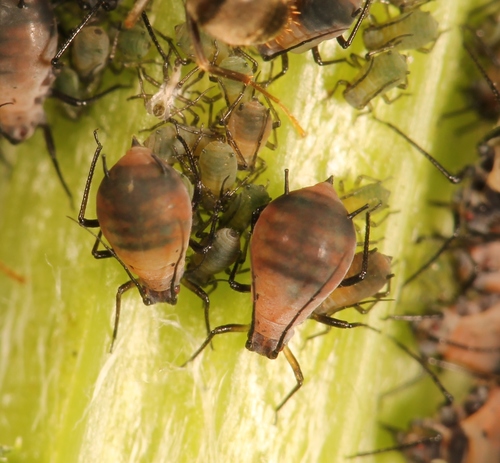
Metopeurum fuscoviride Stroyan, 1950
Metopeurum fuscoviride Stroyan, 1950
Metopeurum fuscoviride, the pink tansy aphid, is a widespread aphid species that feeds on tansy stems and produces honeydew favored by ants.
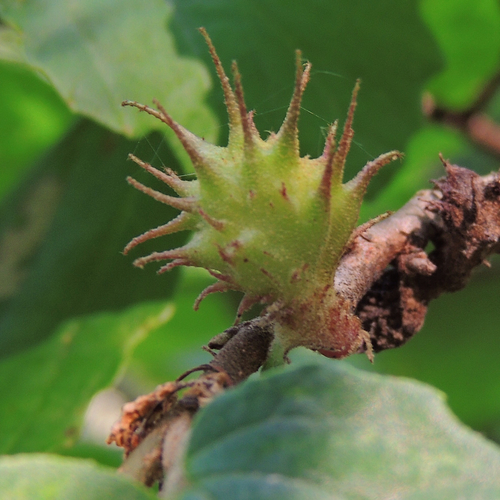
Hamamelistes spinosus Shimer, 1867
Hamamelistes spinosus Shimer, 1867
Hamamelistes spinosus forms spiny, elliptical modified flower bud galls with average length including stalk of 21 mm and average width 10 mm.
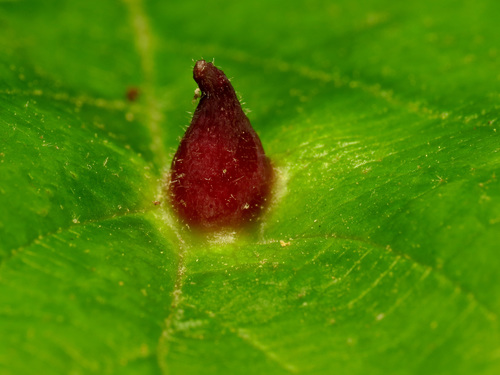
Hormaphis hamamelidis (Fitch, 1851)
Hormaphis hamamelidis (Fitch, 1851)
Hormaphis hamamelidis, the witch-hazel cone gall aphid, forms recognizable conical galls on witch-hazel and has a three-generation annual life cycle.
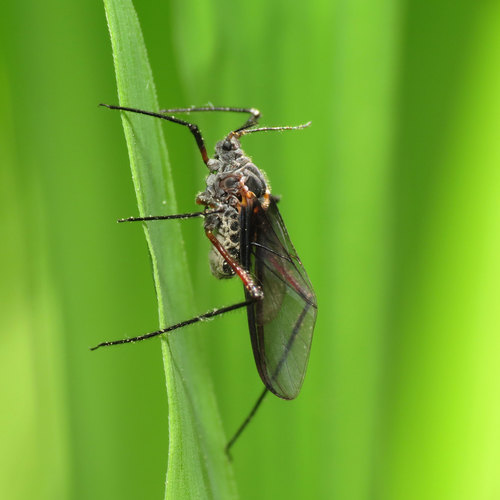
Longistigma caryae (Harris, 1841)
Longistigma caryae (Harris, 1841)
Longistigma caryae, the giant bark aphid, is a giant aphid species in the family Aphididae.
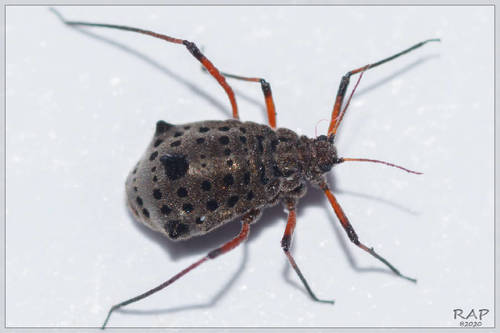
Tuberolachnus salignus (Gmelin, 1790)
Tuberolachnus salignus (Gmelin, 1790)
Tuberolachnus salignus, the giant willow aphid, is an all-female parthenogenetic aphid dependent on willow trees, found globally except Antarctica.
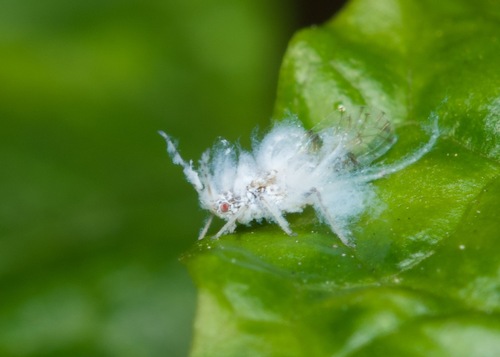
Shivaphis celti Das, 1918
Shivaphis celti Das, 1918
Shivaphis celti, the Asian woolly hackberry aphid, is a sap-sucking true bug aphid in the order Hemiptera.
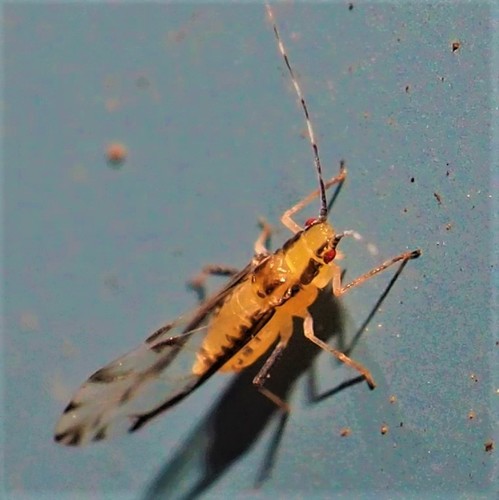
Eucallipterus tiliae (Linnaeus, 1758)
Eucallipterus tiliae (Linnaeus, 1758)
Eucallipterus tiliae, the linden aphid, is an aphid found worldwide on Tilia host trees that can infest ornamental street plantings.
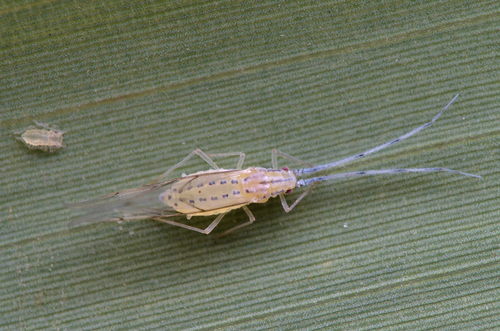
Takecallis arundinariae (Essig, 1917)
Takecallis arundinariae (Essig, 1917)
The black-spotted bamboo aphid, Takecallis arundinariae, is a widespread Eurasian aphid that feeds on bamboo.
Related Families
Start Exploring Nature Today
Download iNature for free. 10 identifications on us. No account needed. No credit card required.
Download Free on App Store
