About Euonymus americanus L.
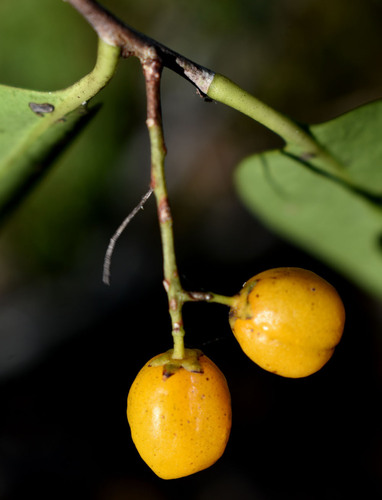
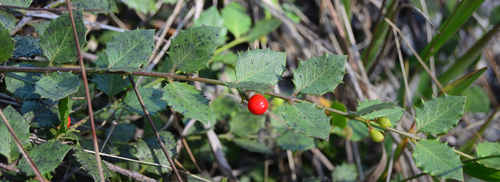
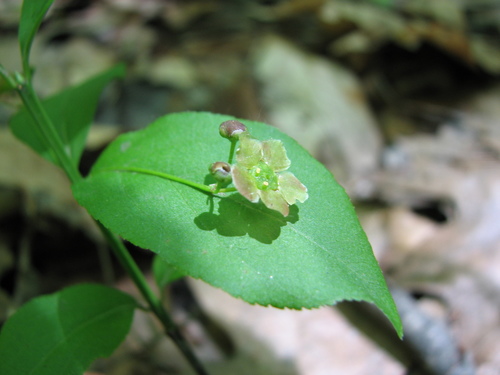
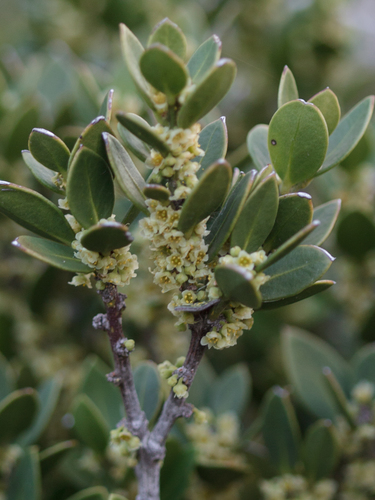
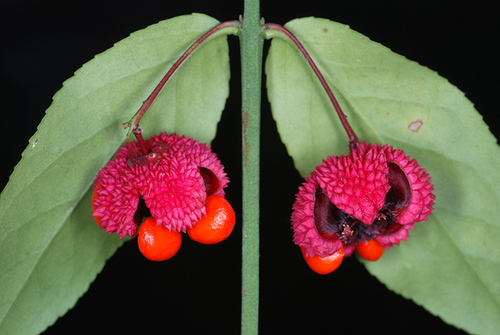
Euonymus americanus L. is a deciduous low-growing shrub that reaches a maximum height of 2 metres (6.6 ft). It produces white and green flowers, which develop into fruits that are orange and red in color. White flowers of this species first form distinct pink fruit capsules that resemble an ordinary strawberry; these capsules open in autumn to expose large orange seeds. As a member of the Celastraceae family, which contains 1,300 total species, Euonymus americanus L. is the only species in the family that grows exclusively in the United States. It is commonly called American strawberry bush, and inhabits wetland areas including swamp margins, shaded stream banks, and sloped wetlands. Even though it grows in moist locations, it cannot tolerate flooding, so it only grows in moderately saturated soils. It is also able to grow in shaded conditions. Native Americans used the roots of this shrub to brew a tea that treated uterine prolapse, vomiting of blood, stomach aches, malaria, liver congestion, constipation, and urinary tract infections. When processed into a powder, the shrub’s bark was used to help control dandruff. The seeds of the American strawberry bush can also be used as a strong laxative. In early autumn, Euonymus americanus has brightly colored fruits and foliage that attract white-tailed deer and rabbits. White-tailed deer also feed on its twigs. The bright orange-red aril covering the seed provides fat and sugar for songbirds, small mammals, and wild turkeys. Animals including birds and deer disperse the plant’s seeds. This species is classified as a pollinator plant that supports and attracts bees, beetles, flies, and ants.