About Eucryphia lucida (Labill.) Baill.
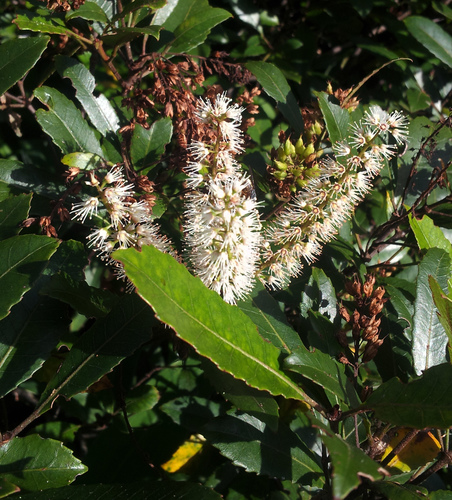
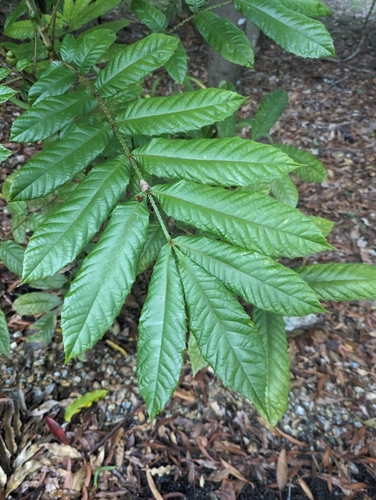
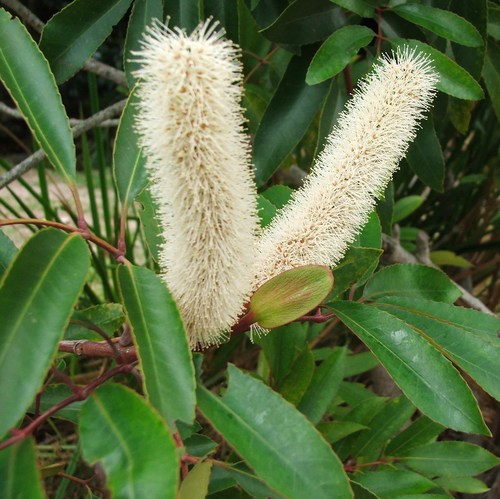
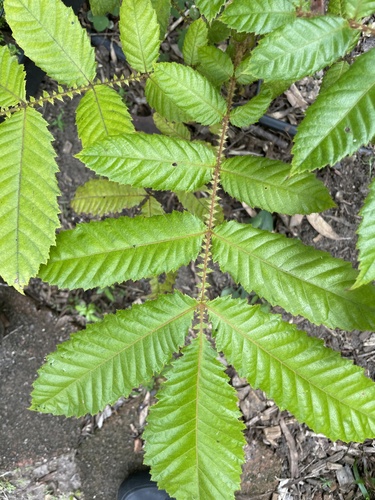
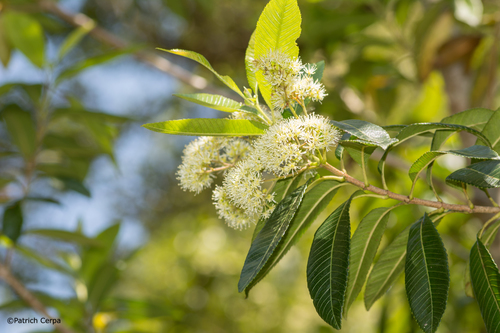
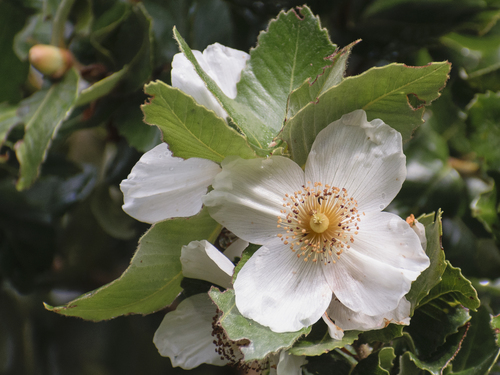
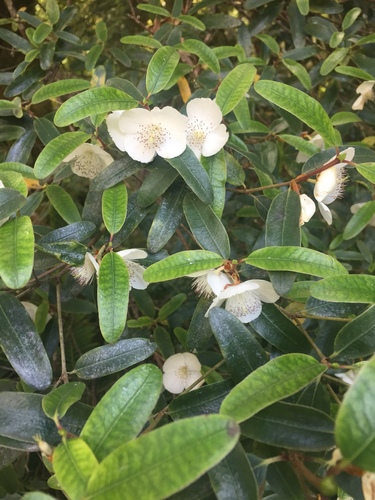
This plant has the scientific name Eucryphia lucida (Labill.) Baill. It typically grows 2–10 m (6.6–32.8 ft) tall, and may occasionally reach 25 m (82 ft) when growing in favourable conditions. Its leaves are small, dark green, glossy, elliptical in shape, and 2–4 cm (1–1.5 in) long. Flowers emerge in spring and summer; these white flowers are 2.5–4 cm (1–1.5 in) in diameter, have four petals, and resemble small single roses. They carry a strong fragrance, particularly on warmer days, and all flower parts are often covered in a sticky sap. After flowering, the plant produces leathery capsules that mature in autumn. The species was first formally described by Jacques Labillardière. Eucryphia lucida is widespread and common in moister forests of Tasmania, found mainly across the western parts of the state. Its range extends from northwestern Tasmanian sites such as the Tarkine through the South West Wilderness. It grows as an understorey plant, and prefers wetter climates with 1500–2500 mm of annual rainfall. Fossil leaves recovered from Early Pleistocene sediments at Regatta Point in Western Tasmania share similarities with Eucryphia lucida, suggesting a close relationship. Commonly called leatherwood, this species is easy to propagate from seed or cuttings, and grows into an attractive, fast-growing garden plant. It thrives in well-drained soil located in a sheltered position with access to extra moisture, and requires regular pruning to maintain a neat shape. Tasmanian beekeepers use Eucryphia lucida to produce leatherwood honey, a well-known monofloral honey that has been listed in the international Slow Food movement's Ark of Taste. For many years, the Tasmanian Beekeepers' Association has lobbied the Tasmanian government to protect this resource from logging and guarantee continued beekeeper access to it. Most stands of leatherwood grow deep within the forests of Tasmania's wild west coast, making them difficult to reach. During the leatherwood flowering and harvest period, which runs from January to March, Tasmanian beekeepers camp within these forests to collect nectar.