About Euchaetes egle Drury, 1773
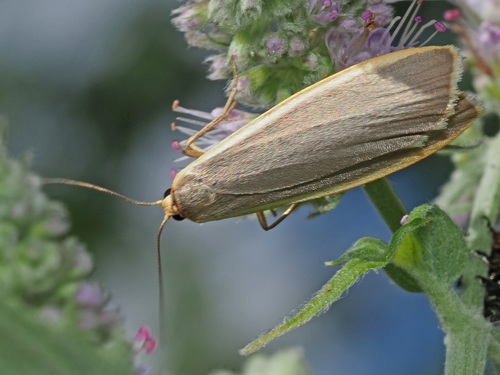
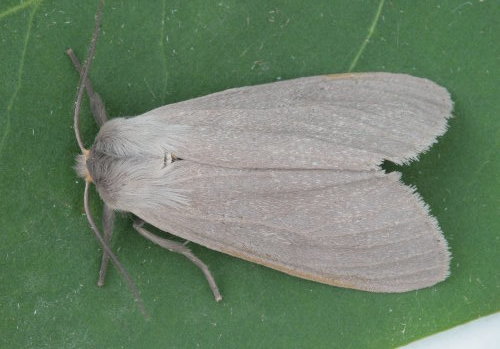
Euchaetes egle, commonly known as the milkweed tiger moth or milkweed tussock moth, is a moth species that belongs to the family Erebidae and the tiger moth tribe Arctiini. The species was first formally described by Dru Drury in 1773. This moth is a common feeder active from mid- to late summer, feeding on milkweeds and dogbane. Like most species in its family, Euchaetes egle obtains chemical defenses from its host plants. For this species, the defensive compound is cardiac glycosides, which are retained in adult moths. These compounds deter bats and likely other predators from eating the moths; only very high concentrations of cardiac glycosides successfully deter predation by bats. Adult moths use ultrasonic clicks produced by their tymbal organs to signal to bats that they are unpalatable.
Euchaetes egle is found in North America, ranging from southern Canada southwards through Texas and Florida. The larvae of this moth most often use milkweeds of the genus Asclepias as host plants, and sometimes use dogbane of the genus Apocynum. Larvae typically feed on older milkweed shoots, and rarely share shoots with monarch butterfly larvae (Danaus plexippus), which prefer younger milkweed shoots. Both milkweed and dogbane produce sticky latex that can interfere with larval feeding. Early larval instars avoid leaf veins by feeding only on the soft leaf tissue between veins, leaving a skeletonized leaf surface. Older larvae cut through the veins that carry latex, which reduces latex flow into the area of the leaf where they feed.