About Erysiphe cruciferarum Opiz ex L.Junell
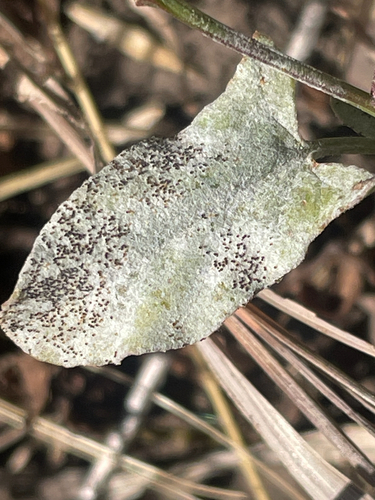
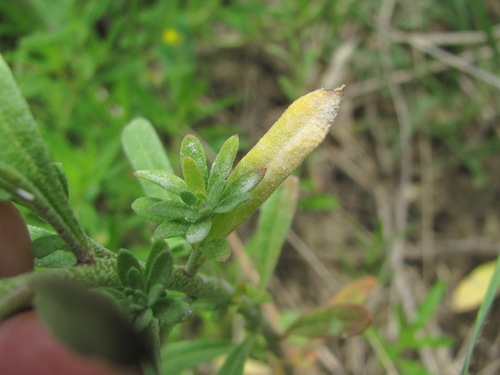
Erysiphe cruciferarum Opiz ex L.Junell is a plant pathogenic ascomycete fungus belonging to the family Erysiphaceae. It causes the primary powdery mildew disease that affects crucifers, including Brassica crops such as cauliflower, cabbage, broccoli, and Brussels sprouts. It is distributed globally, with particularly concentrated populations in continental Europe and the Indian subcontinent. This species has both sexual and asexual life stages, and is an obligate parasite that exhibits host specificity—for instance, isolates collected from turnip cannot infect Brussels sprouts, and the reverse is also true. Among members of the Erysiphaceae family, E. cruciferarum is grouped with species that produce single conidia and have multilobed haustoria. Currently, Erysiphe cruciferarum is being evaluated for use as a potential biological control agent against the invasive plant garlic mustard. This pathogen grows best under moderate to high humidity and moderate temperatures. Favorable conditions for it include temperatures between 21–27 °C (70–80 °F), paired with low relative humidity during the day and high relative humidity at night. It has a wide host range, capable of infecting many wild plants as well as commercial cash crops. When conditions are suitable, it can spread from field weeds to cultivated crops within a single growing season. Infection by E. cruciferarum reduces the host plant's photosynthetic capacity and lowers yields of cultivated crops. The fungus is especially problematic in greenhouses and other protected growing environments, because these spaces typically provide the temperature and humidity ranges that are ideal for the pathogen's reproduction. Spores of E. cruciferarum are spread by wind and rain. Installing vegetative wind barriers can block spore movement into cultivated fields and may reduce the risk of infection. High planting density reduces the distance and time spores need to reach new healthy host plants, while lowering planting density or adding space between rows helps slow the spread of the pathogen.