About Eryngium foetidum L.
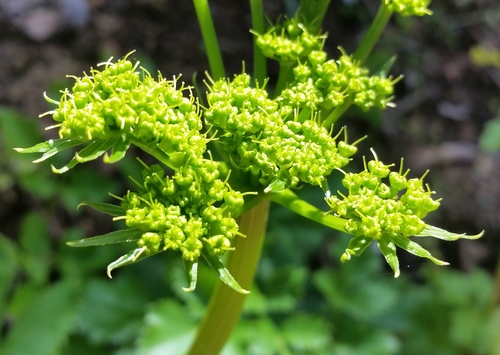
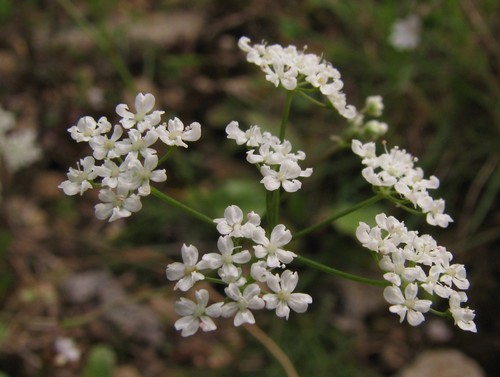
Eryngium foetidum L. is a tropical perennial herb in the Apiaceae family. Its common names vary by region: culantro in Costa Rica and Panama, cimarrón, recao in Puerto Rico, chardon béni in Martinique, Shadow Beni in Trinidad and Tobago, ngò gai in Vietnam, alongside the widely used names Mexican coriander, samat, ban dhaniya, wide coriander, Burmese coriander, and sawtooth coriander. In Northeast India, it is called Nagadhonia. It is native to Mexico, the Caribbean, and Central and South America, but is cultivated across the world, mostly as a perennial in tropical regions and sometimes as an annual in temperate climates. In the United States, the common name culantro is often confused with cilantro, the name for the leaves of Coriandrum sativum, another Apiaceae species in a different genus. Eryngium foetidum is said to taste like a stronger version of cilantro. This species has also been classified under the synonym Eryngium antihystericum; the specific epithet antihystericum refers to the plant’s traditional use for epilepsy. Because it is said to calm a person’s spirit and prevent epileptic fits, it also has the common names spiritweed and fitweed. Eryngium foetidum has a long history of use in traditional medicine across tropical regions, to treat burns, earache, fevers, hypertension, constipation, fits, asthma, stomachache, intestinal worms, infertility complications, snake bites, diarrhea, and malaria. As an ethnomedicinal plant, it is also used to treat chills, vomiting, headache, arthritis, and scorpion stings. The anticonvulsant properties of this plant have been the subject of scientific investigation. Studies on rats have found that a leaf decoction of the plant produces anti-inflammatory and analgesic effects. The primary active constituent of Eryngium foetidum’s essential oil is eryngial, also known as trans-2-dodecenal. Researchers at the University of the West Indies at Mona, Jamaica, have investigated eryngial as a treatment for human Strongyloides stercoralis infection, called strongyloidiasis. Pharmacological investigation has reported that the plant demonstrates anthelmintic, anti-inflammatory, analgesic, anticonvulsant, anticlastogenic, anticarcinogenic, antidiabetic, and antibacterial activity.