About Eriophyes laevis (Nalepa, 1889)
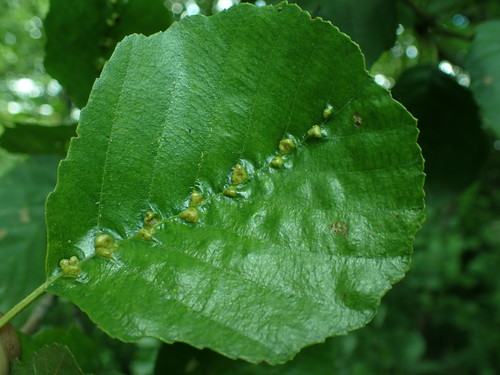
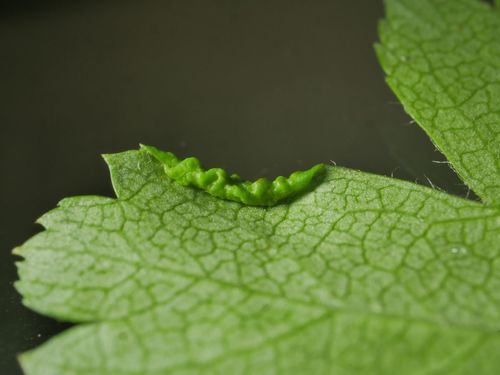
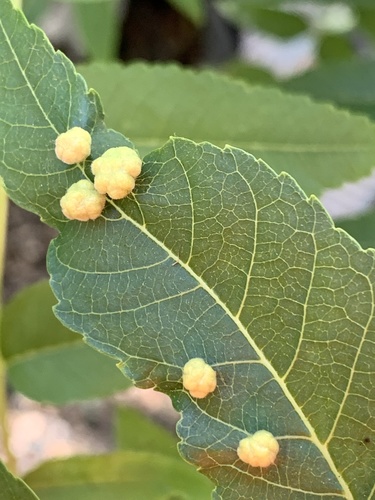
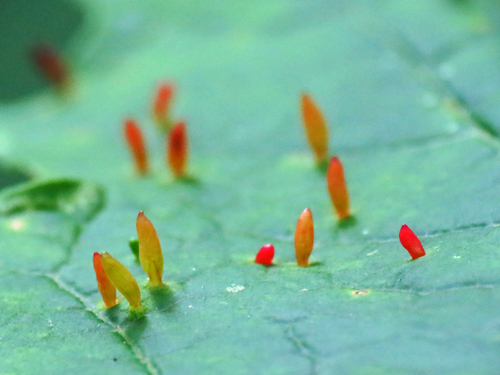
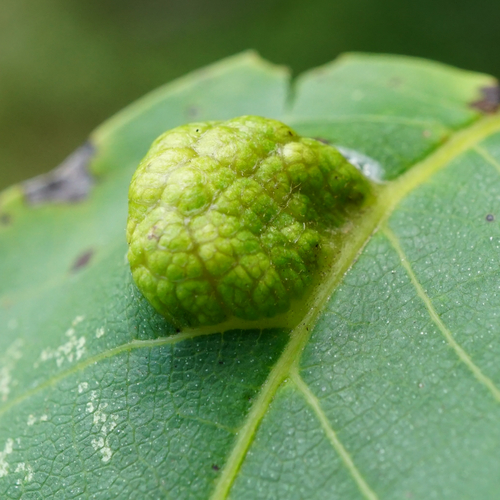
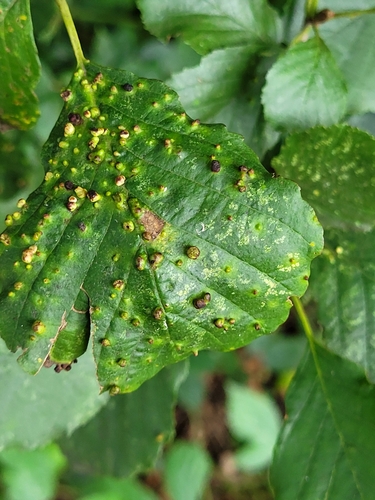
Eriophyes laevis produces small, roughly pimple-like galls that grow up to 2 mm in diameter. These galls can cover most of a leaf, which can restrict the leaf’s growth. Each gall has a narrow opening on the underside of the leaf. The galls are green when they first form, but usually turn purple or red later in the growing year. The mites leave the galls in autumn, and spend the winter in empty alder cones or bark crevices. Alder tree species that develop these galls include common alder (Alnus glutinosa), grey alder (Alnus incana) and its subspecies rugosa and tenuifolia, Alnus x pubescens, red alder (Alnus rubra), and green alder (Alnus alnobetula). Leaves are occasionally infected by both Eriophyes laevis and Eriophyes inangulis. Identifying gall mites found on alder based solely on galls is tentative; positive identification requires examination of the mites themselves. The inquiline mite Diptacus sacramentae is found on the underside of alder leaves, and also lives commensally as an inquiline within Eriophyes laevis galls. D. sacramentae can also occur as an inquiline of E. inangulis. This mite species is distributed in Europe and the United States of America.