About Erimyzon sucetta (Lacepède, 1803)
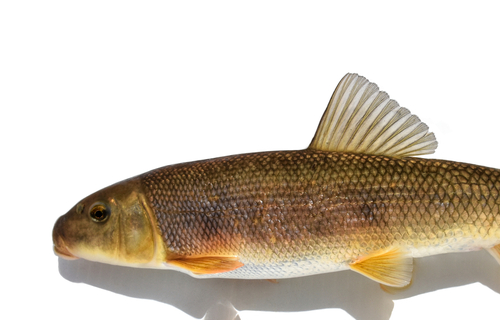
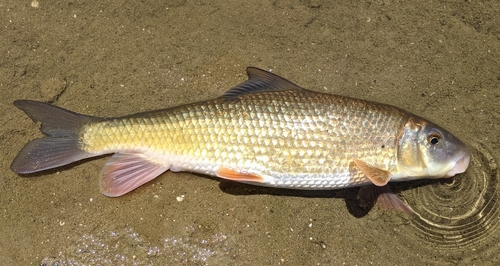
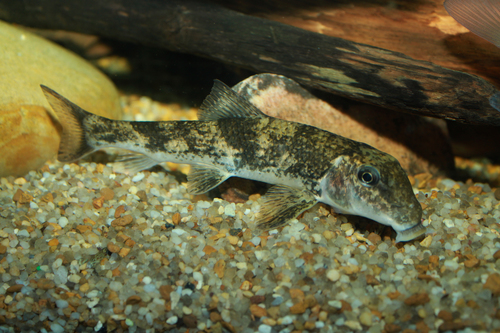
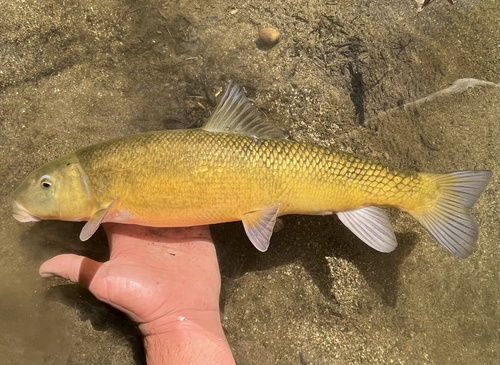
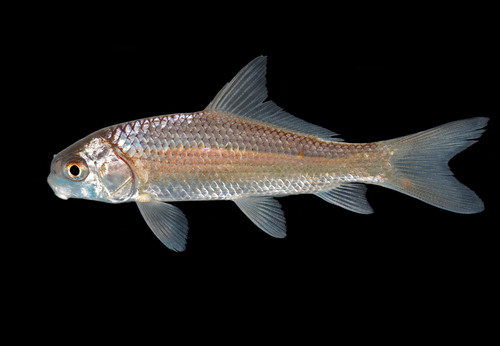
The lake chubsucker, with the scientific name Erimyzon sucetta, is a species of freshwater fish that is endemic to North America. Its geographic range covers the Great Lakes and Mississippi River basin lowlands, extending north to southern Ontario, Canada, and south to the Gulf of Mexico; it reaches west to Wisconsin and Texas, and east to Southern Virginia and South Florida. It occurs mainly in lakes, ponds, and swamps, and is rarely found in streams. It typically inhabits shallow, warm, clear still freshwater with low turbidity, high vegetative cover (often over 70% coverage), and substrates of sand or silt mixed with organic debris; floodplain lakes and wetlands are also common habitats for this species. It is a benthic fish. Lake chubsucker has an average length of 25.8 cm. It is an intermediate consumer and omnivore that feeds at the benthic level. Detritus, microcrustacea, midge (chironomid) larvae, vegetation, and algae make up its diet, with vegetation able to account for up to 70% of its total diet. Diet composition changes as the fish grows: for small individuals (83–103mm), filamentous algae is present in 100% of studied diets, while cladocerans and chironomid larvae occur in 25%, and copepods in 13% of diets; for larger individuals (127–152mm), copepods occur in 50% of diets, algae in 25%, and cladocera, ostracods, and chironomid larvae each in 13% of diets. Its known predators include largemouth bass (Micropterus salmoides) and other bass species. For reproduction, E. sucetta scatters its eggs randomly over aquatic vegetation, submerged grass in ponds, or gravelly areas that have been cleared by males. Known predators of the lake chubsucker include largemouth bass (Micropterus salmoides) and other bass. Human activities negatively impact the species: agricultural practices cause increased siltation, coal combustion leads to coal ash spills and water contamination, and dam construction alters habitat siltation levels. Studies by Snodgrass et al. found that while mortality rates do not increase significantly in the presence of coal combustion by-products, the by-products do cause altered swimming performance and increased toxin levels when food availability is low. The species is not in acute danger of extinction, but its populations and range are facing decline. It has been definitively extirpated from areas of southern Illinois, Iowa, and Pennsylvania in the United States, and from Jeanette's Creek, and areas of Big Creek and Tea Creek in Canada. Its range has declined in Missouri, Arkansas, Ohio, and possibly Tennessee, and it is declining in abundance in these four states. Decline is largely caused by habitat modification or destruction, including changes to water turbidity, altered sedimentation levels, introduction of exotic invasive species, changed nutrient levels, and introduction of toxins. In some regions where it has been suggested to be extirpated, small populations may still persist, but the species is difficult to collect, so conclusive confirmation of extirpation is not possible.