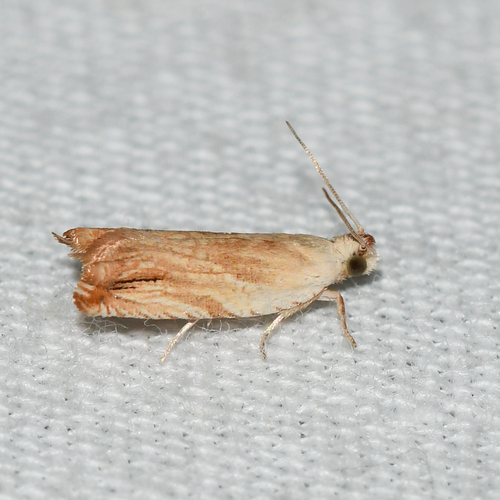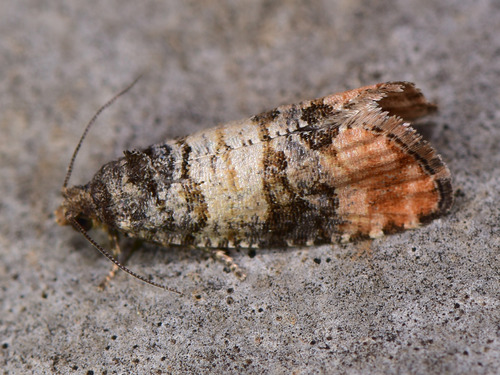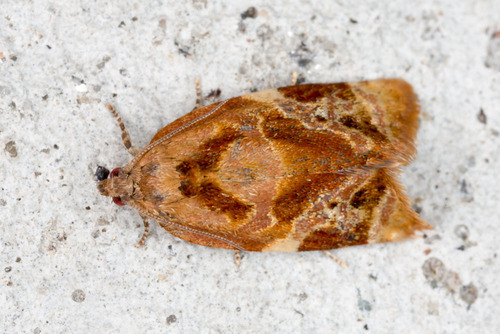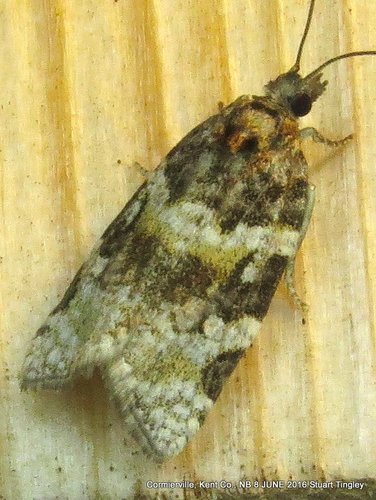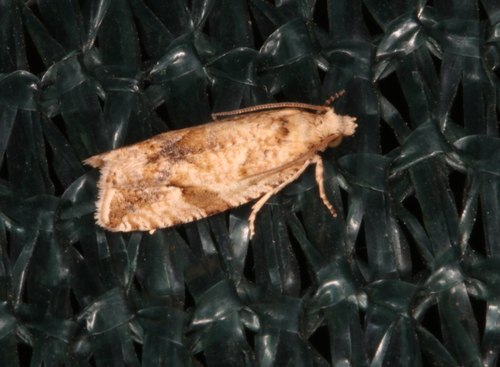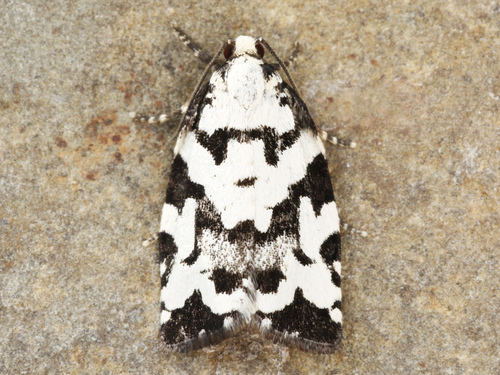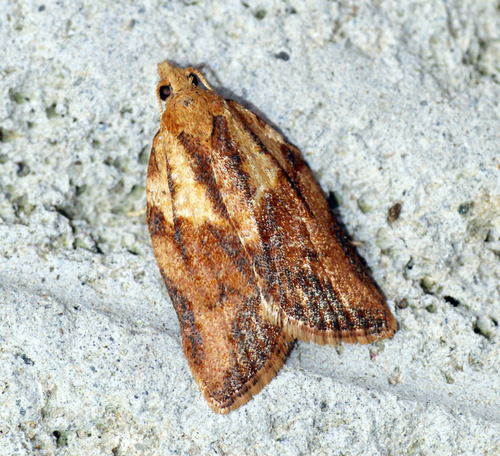
About Epiphyas postvittana (Walker, 1863)
The light brown apple moth, Epiphyas postvittana, is often abbreviated to LBAM. It is a leafroller moth that belongs to the lepidopteran family Tortricidae. This species is native to Australia. It has been introduced and now also occurs in New Caledonia, the British Isles, Hawaii (where it has been present since 1896), and New Zealand. In March 2007, this moth was definitively identified in California via DNA samples, with populations found across hundreds of miles, stretching from Los Angeles to Napa, located north of San Francisco. Light brown apple moths go through three generations per year, with a partial fourth generation occurring in some years. The species does not have a winter resting stage, and generations overlap considerably. In warmer regions, four or even five generations can be completed each year, with major flight periods taking place from September to October, December to January, February to March, and April to May. In cooler climates, the number of complete annual generations can drop to two. Females lay eggs in clusters of 3 to 150 eggs on leaves or fruit. A single female can lay hundreds of eggs in total. Adults from the overwintering larval generation emerge during October and November. These adults produce the first summer generation, where final instar larvae mature between January and mid-February. Larvae of the second generation reach maturity in March and April, and adults from this generation lay the eggs that develop into the third generation. Larval development typically slows significantly over winter, especially when temperatures near freezing. Because of this slowdown, most larvae overwinter in the prolonged early juvenile stages of the second, third, and fourth instars. During the overwintering period, larvae normally feed on herbaceous plants. Third-generation moths begin laying eggs again on apple leaves between October and December, which leads to the re-invasion of apple trees.