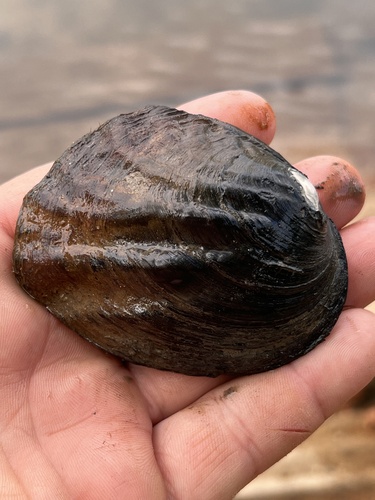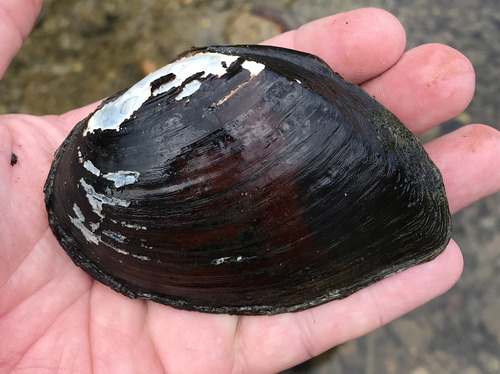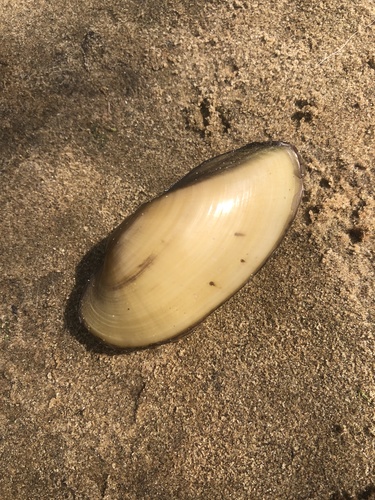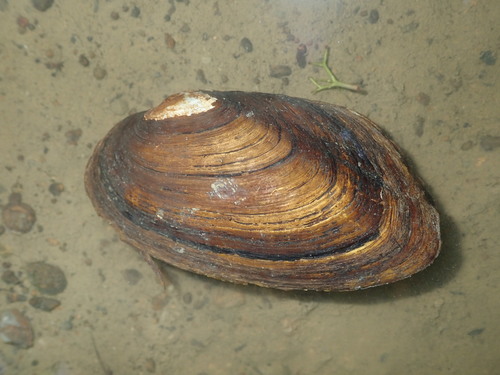
About Epioblasma triquetra (Rafinesque, 1820)
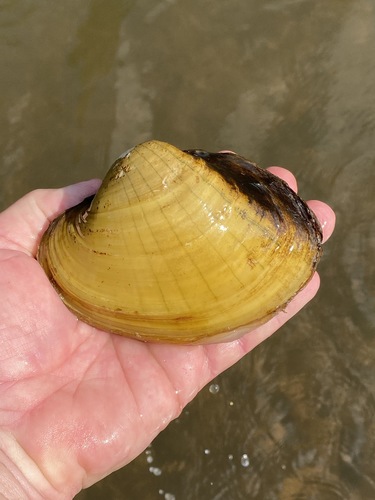
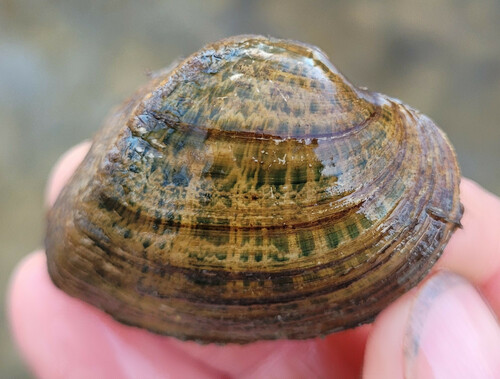
Epioblasma triquetra (Rafinesque, 1820), commonly known as the snuffbox mussel, is a species of freshwater mussel, a mollusk belonging to the family Unionidae. It is native to eastern North America, where it is classified as an endangered species in both Canada and the United States. This species inhabits the Great Lakes system and the Mississippi River system. Its natural habitat includes riffles and shoals of rocky rivers, as well as the wave-active shores of lakes. The snuffbox mussel is declining across its entire range due to habitat destruction, siltation, pollution, and competition with invasive species. Even with this decline, it is still the most widespread and abundant species in the genus Epioblasma; all other members of this genus are either extinct or severely imperiled. All Unionidae mussels rely on the gills, fins, or skin of a host fish to obtain nutrients during their larval glochidia stage. In 2004, researchers discovered that female Epioblasma triquetra lure unsuspecting fish toward them, then quickly clamp onto the host fish's head and pump glochidia larvae into the fish's gills. The primary confirmed host fish for this mussel is the common logperch, as this fish species is able to survive the violent encounter.