About Ephedra nevadensis S.Watson
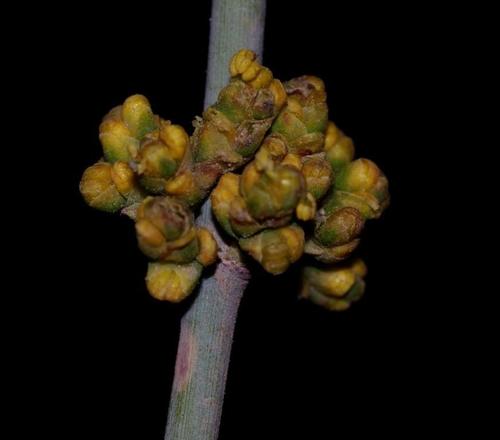
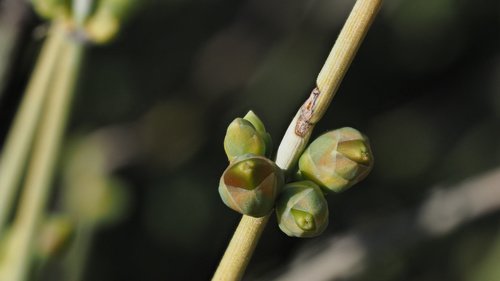
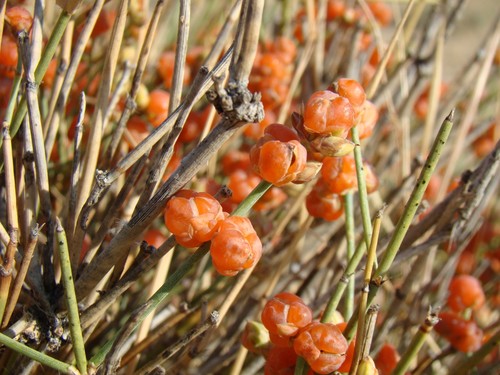
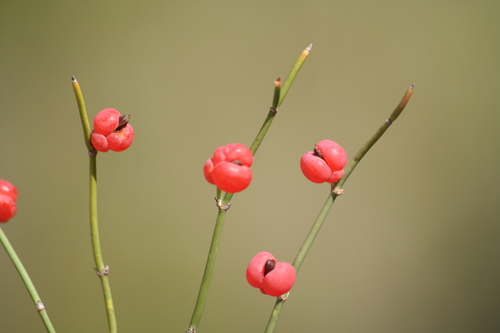
Ephedra nevadensis, commonly known as Nevada ephedra, gray ephedra, Mormon tea, and Nevada jointfir, is a gymnosperm species native to dry areas of western North America. Its range extends west to California, east to Colorado, north to Oregon, and south to Baja California, covering the Great Basin, Colorado Plateau, and desert Southwest. It grows in rocky and sandy soils, typically in treeless areas, and can grow in a range of environments but is most abundant in desert climates. It is a non-toxic grazing source for both wild and domestic livestock, and has a range of medicinal properties for home use. Historically, it was well known for being used to make tea in Mormon communities. Ephedra nevadensis can grow across a wide variety of biomes, including shrublands, desert climates, wooded areas, and salty deserts. Arid growing conditions bring specific threats to this species: regional wildfires occur occasionally, but are uncommon due to the low amount of foliage that could act as fuel. The species' ability to reestablish after a fire is directly related to the length of the burning season and the severity of the fire. Unlike many other native plant species, Ephedra nevadensis does not gain the typical benefits of biotic relationships. Animals that rely on nutritional foliage such as leaves or flower nectar generally avoid this species when foraging for survival. As a result, this Ephedra species has far less access to alternative cross-pollination methods such as insect pollination or other forms of biotic pollination. Nevada ephedra is wind-pollinated, with male plants growing in drier areas and female plants growing in wetter areas; this arrangement is thought to increase seed production. Pollination and cone maturation take place from March to June, and seeds ripen from May to August, though seeds are not produced every year. In the wild, seeds are most often spread by rodents. For cultivation, seeds can be easily collected and sown. The plant can also be propagated through transplants and cuttings. Its lack of extensive foliage helps gamete dispersal, as less foliage creates more space for wind to carry pollen, leading to a more predictable pollination process. While smaller rodents and insects do not typically graze on Ephedra nevadensis, it is commonly grazed by large livestock such as cattle and sheep. It is a more important forage plant than any other North American Ephedra species, and is grazed by mule deer (Odocoileus hemionus), pronghorn (Antilocapra americana), desert bighorn sheep (Ovis canadensis), and domestic sheep. One study compared the nutritional strength of Ephedra nevadensis to orchardgrass hay (Dactylis glomerata) and cheatgrass (Bromus tectorum) to better understand its properties. The study found that Ephedra nevadensis ranked second in ammoniacal nitrogen content, and highest in ruminal pH. Results indicated that it can be used as an alternative grazing source, but cannot be classified as exceptional for either nutrition or toxicity. A separate study investigated maternal and fetal toxicity in livestock for two Ephedra varieties (E. viridis and E. nevadensis), and concluded that Ephedra nevadensis caused no dietary abnormalities or signs of illness or toxicity in either dams or their offspring. Ephedra nevadensis was used for food and medicine by Native Americans, and for tea by Mormons. Today, its primary uses are as forage for sheep and cattle (it is less suitable for horses), and for habitat restoration. It is sometimes grown as an ornamental plant. Among the Zuni people, an infusion of the whole plant excluding the root is taken to treat syphilis, and the plant is also used to make a tea-like beverage. Stems are typically harvested for their health benefits, which include reducing fluid buildup and purifying blood. It can be used to treat gonorrhea, early-stage syphilis, topical sores, kidney problems, and symptoms linked to respiratory conditions; for example, it has been reported to alleviate symptoms of asthma and improve patient condition. While other known Ephedra species contain ephedrine, Ephedra nevadensis does not contain significant quantities of this stimulant. With current understanding of its biochemical composition, this Ephedra species can be used in home settings to treat mild health conditions and reduce discomfort, but it is unlikely to have a major impact in clinical settings.