About Emilia sonchifolia (L.) DC. ex Wight
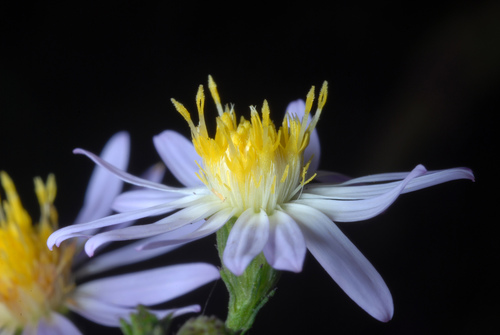
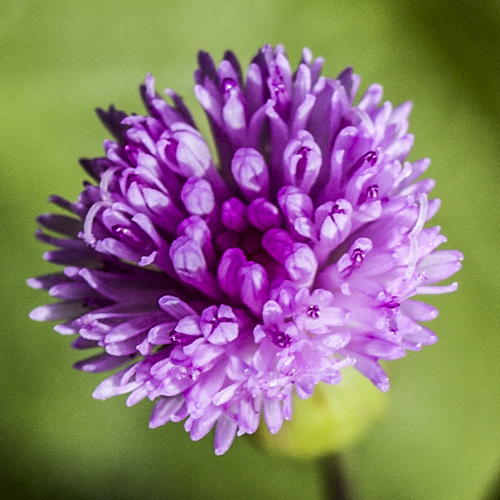
Emilia sonchifolia (L.) DC. ex Wight is an erect, soft-stemmed plant that is sparingly hairy, growing 20 to 70 cm tall with a branched tap root. Its leaves are arranged alternately and have winged petioles. Lower stem leaves are round or oval, measuring 4 to 16 cm long and 1 to 8 cm wide. Upper stem leaves are smaller than lower stem leaves and often have coarse teeth. The inflorescence is usually dichotomous, bearing 3 to 6 stalked flower heads with whorled bracts below the heads. Each urn-shaped flower head holds 30 to 60 florets: outer ray florets are female, and inner disc florets are bisexual. Flowers can be purple, scarlet, red, pink, orange, white, or lilac. Fruits are oval-shaped, reddish brown or off-white, with white hairs up to 8 mm long, and are dry and indehiscent. This plant completes its full life cycle in approximately 90 days. It produces two types of seed, distinguished by the color of the achene. Red and brown achenes develop from the female outer ring of florets in a flower head, while off-white achenes develop from the inner hermaphrodite florets. Most seeds germinate at 27 °C; seeds that develop from outer florets are able to germinate under deep shade. Plants only emerge from seeds lying near the soil surface, though around 4% of seeds can germinate when buried 4 cm deep. Seeds have a pappus of hairs, meaning they are dispersed by wind.
Emilia sonchifolia is widespread across tropical regions globally. It is apparently native to Asia, including China, India, and Southeast Asia, and has become naturalized in Africa, Australia, the Americas, and various oceanic islands. It grows at elevations from sea level up to 1,000 metres (3,300 ft). It tolerates a broad range of habitats, from open tropical environments to grasslands, waste areas, roadsides, and partially shaded areas, and is tolerant of acidic growing conditions.
Emilia sonchifolia is commonly reported as an agricultural weed. It is considered noninvasive in most regions, but it is classified as one of the most problematic weeds in some cotton-growing areas. It causes negative impacts on certain crops: it reduces lettuce weight by 70%, mustard cabbage weight by 30%, and tomato fruit yield by 18%. Pathogens associated with Emilia sonchifolia also affect other crops; this species acts as a host for Xanthomonas campestris, which causes a bacterial infection in beans grown in Brazil and Cuba.
Emilia sonchifolia contains tumorigenic pyrrolizidine alkaloids, which cause hepatotoxicity.
Its leaves and young shoots can be eaten as vegetables, either raw or cooked. For this use, leaves are mainly harvested before the plant flowers. Young leaves are used as food in Java and Puerto Rico. In Chinese, this plant is called ye xia hong (Chinese: 葉下紅), and it is considered a usable medicinal herb in traditional Chinese medicine. In India, it is one of the Ten Sacred Flowers of Kerala, collectively known as Dasapushpam. In Vietnam, it has been used in traditional medicine to treat fever, sore throat, diarrhea, and eczema, and as an antidote for snake bites.