About Emberiza lathami J.E.Gray, 1831
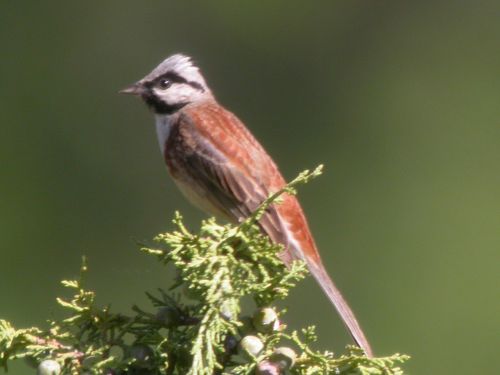
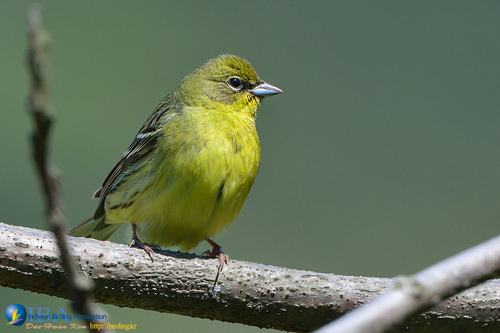
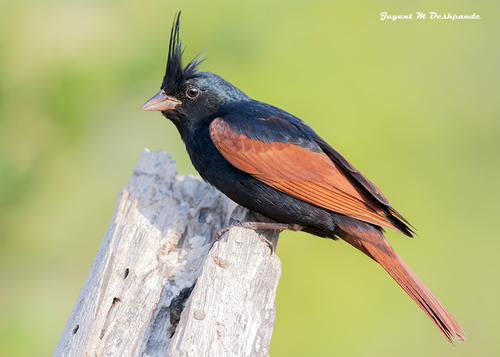
This species, currently classified as Emberiza lathami J.E.Gray, 1831, shows distinct sexual dimorphism in plumage and physical features. Breeding males have a prominent crest, a yellowish beak, and solid black body plumage that contrasts with the rufous flight feathers of their wings and tail. Females have a shorter crest, overall dull olive-brown plumage marked with dark brown streaks, cinnamon-colored fringes on their wing and tail feathers, and a grey beak. Non-breeding males have buffish grey plumage, while subadults have black tips on their rufous primary coverts. This species was formerly placed in the monotypic genus Melophus, but DNA sequence-based phylogenetic analyses have demonstrated that it is nested within other species of the genus Emberiza. The species is currently treated as monotypic, despite the fact that peninsular Indian populations have been assigned the subspecies name subcristata; no external morphological differences have been found to separate these populations from other populations of the species. Individuals of this species have 40 pairs of chromosomes. In terms of distribution, crested buntings are found along the Himalayas in India, where they make altitudinal movements following seasonal changes. They also occur across the plains of India south of the Himalayas, extending west to Gujarat and Rajasthan, as well as in parts of central and peninsular India. Their range extends east along the Himalayas into China, Laos, Thailand, Vietnam, and Indonesia. They inhabit open thorny scrub, rocky dry hillsides, grassland, and savannah. They become more social in winter, forming flocks that will sometimes forage alongside other finches, buntings, and larks. They visit small waterbodies during the morning and late afternoon.