About Emberiza hortulana Linnaeus, 1758
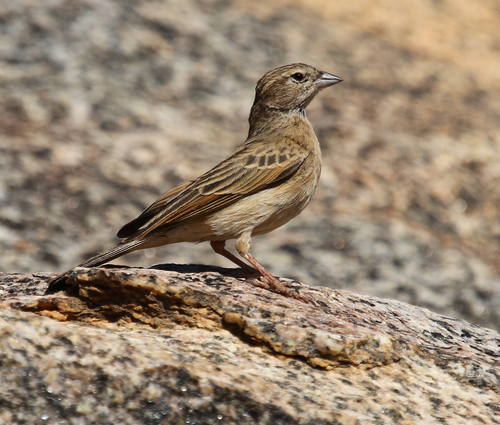
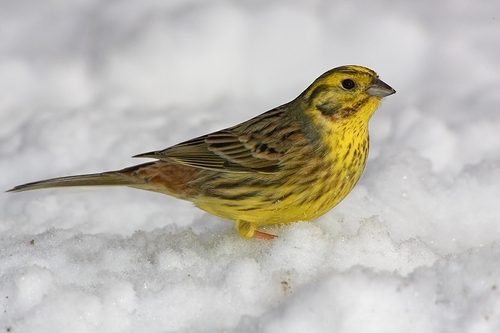
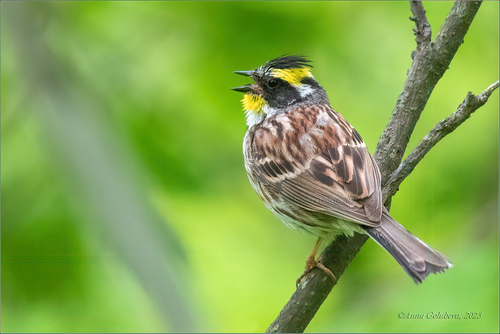
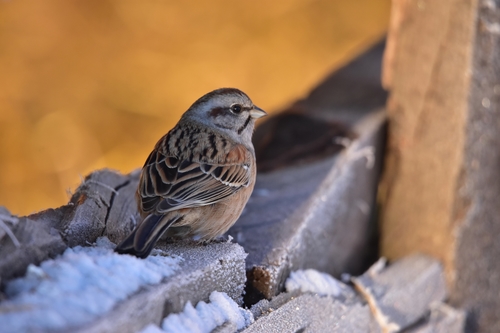
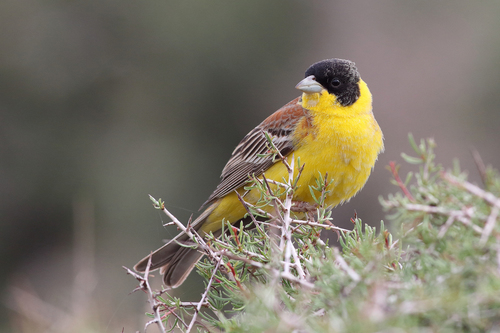
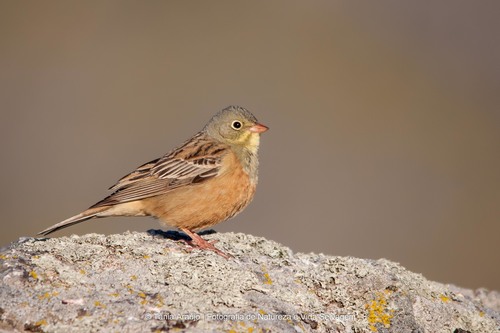
The ortolan bunting (Emberiza hortulana Linnaeus, 1758) measures 16–17 centimetres (6+1⁄4–6+3⁄4 inches) in length, with a wingspan of 23–29 cm (9–11+1⁄2 in). It closely resembles its relative the yellowhammer in both appearance and habits, but it does not have the yellowhammer’s bright colouring; for example, the ortolan bunting has a greenish-grey head, rather than the bright yellow head of the yellowhammer. The song of the male ortolan bunting is similar to that of the yellowhammer.
This species is native to most European countries and West Asia, and its range extends as far north as Scandinavia and beyond the Arctic Circle. It commonly inhabits cornfields and the areas surrounding cornfields. It is an uncommon vagrant to the British Isles in spring, and is especially uncommon as a vagrant there in autumn. Sightings in the UK have become less common than they previously were, because the species’ overall population has declined due to overexploitation in France. In November 2018, the species was spotted and photographed by birdwatchers at Kenjar Coastal Karnataka, India; some birders note this is the first photographic record of an ortolan bunting in India.
Ortolan buntings have a documented culinary use. The birds are caught with nets during their autumn migratory flight to Africa. After capture, they are held in covered cages or boxes, then force-fed grain (usually millet seed) until they double their original body bulk. Next, they are suspended upside down over a container of Armagnac, drowned by being dipped into the brandy, and marinated in the alcohol. After marinating, the birds are plucked, seasoned with salt and pepper, and cooked in their own fat for seven minutes. When served, many consumers place the bird feet-first into their mouth while holding the bird’s head, then eat the ortolan whole. Consumers may eat the bird with or without the head: some spit out larger bones, while others eat the entire bird including the head and all bones. The traditional practice for French gourmands eating ortolans is to cover their head and face with a large napkin or towel while consuming the bird. The purpose of this towel is debated: some say it traps maximum aroma to enhance the flavour of the bird eaten whole in one sitting; according to The Daily Telegraph, tradition holds the towel hides the shame of this decadent act from God’s eyes; and others suggest it simply hides consumers spitting out bones. The custom of using the towel was started by a priest who was a friend of Jean Anthelme Brillat-Savarin. Historically, the island of Cyprus was a main export depot for ortolan buntings: the birds were pickled in spices and vinegar, packed into casks holding 300 to 400 birds each, and between 400 and 500 casks were exported annually from Cyprus in the early 20th century.