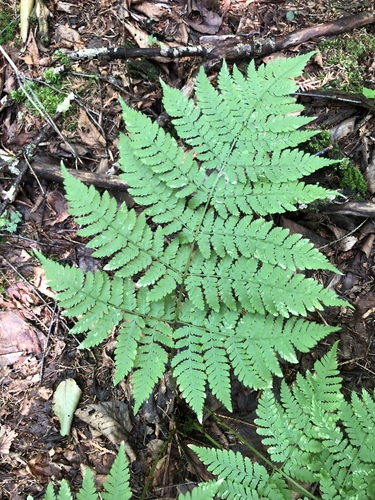
Dryopteris expansa (C.Presl) Fraser-Jenk. & Jermy is a plant in the Dryopteridaceae family, order Polypodiales, kingdom Plantae. Toxic/Poisonous.

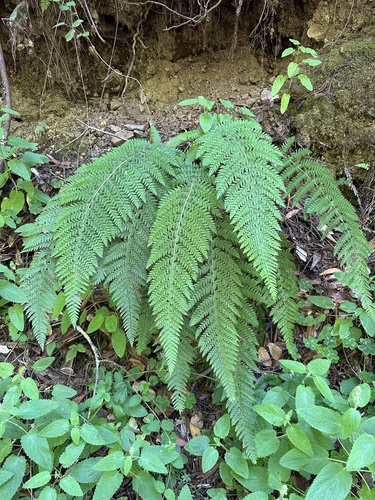
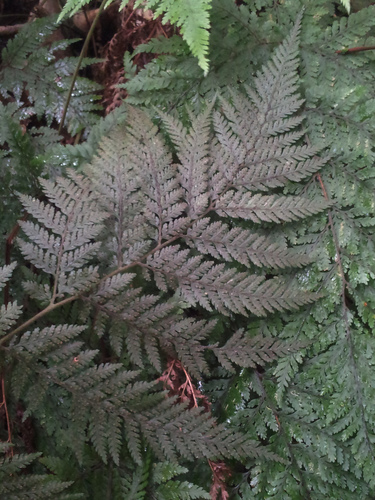
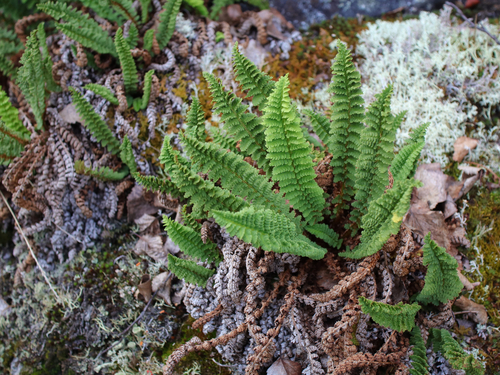
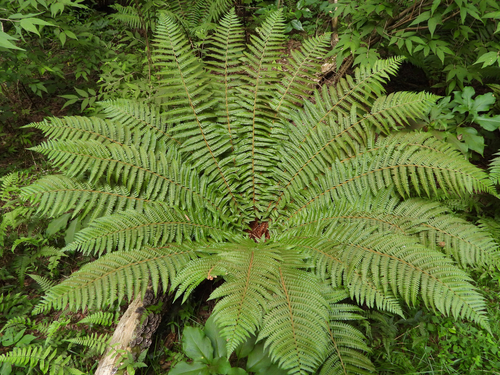
Photo of Dryopteris expansa (C.Presl) Fraser-Jenk. & Jermy (Dryopteris expansa (C.Presl) Fraser-Jenk. & Jermy)
🌿 Plantae ⚠️ Poisonous

Dryopteris expansa (C.Presl) Fraser-Jenk. & Jermy

Dryopteris expansa (C.Presl) Fraser-Jenk. & Jermy

Dryopteris expansa is a toxic fern species whose root has been used in herbal medicine as a worm expellent.

Genus
Dryopteris
Order
Polypodiales
Class
Polypodiopsida

⚠️ Is Dryopteris expansa (C.Presl) Fraser-Jenk. & Jermy Poisonous?

Yes, Dryopteris expansa (C.Presl) Fraser-Jenk. & Jermy (Dryopteris expansa (C.Presl) Fraser-Jenk. & Jermy) is classified as poisonous or toxic. Toxicity risk detected (mainly via ingestion); avoid direct contact and ingestion. Never consume or handle this species without proper identification by an expert.

About Dryopteris expansa (C.Presl) Fraser-Jenk. & Jermy

This fern species has a short, erect or ascending rhizome (rootstock) that often produces offshoots. It can reproduce via spores, and vegetatively through division of the rhizome. It bears large, green, lacy fronds that typically grow 30–120 cm (12–47 in) long. The petiole (frond stem) is usually around half the length of the leaf blade, covered in brown scales that have a blackish center. The leaf blade is triangular, and sparsely glandular on its underside. The deltate fronds are bipinnate at the base, becoming pinnate toward the apex. Sori grow medially on the underside of the pinnae. Dryopteris expansa is easily confused with the related species Dryopteris dilatata (broad buckler fern). It differs from D. dilatata in typically having smaller fronds, and in its pale brown frond stem scales that are more uniform in color, rarely possessing a dark central stripe; it also differs in cytology, holding 2n = 82 chromosomes, compared to 164 in D. dilatata. The leaves of D. expansa are very similar to those of Dryopteris arguta. This plant is toxic. Its root contains filicin, a substance that paralyzes tapeworms and other internal parasites, and this root has been used as a worm expellent in herbal medicine.
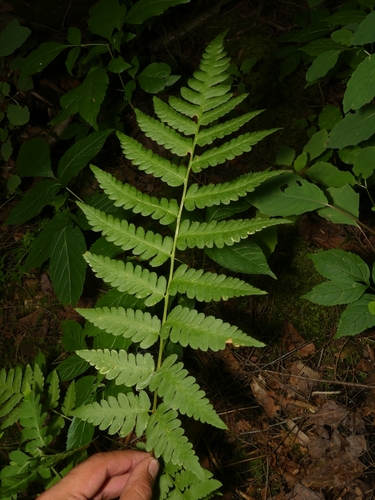
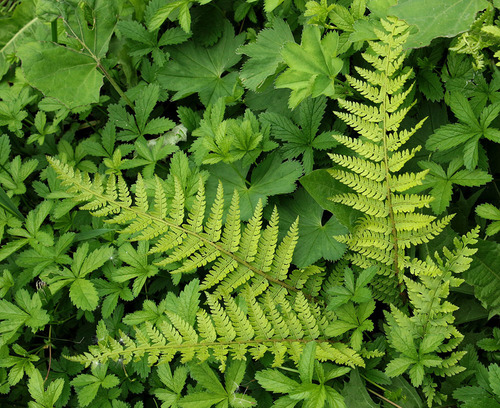
Photo: (c) Samuel Brinker, some rights reserved (CC BY-NC), uploaded by Samuel Brinker · cc-by-nc

Taxonomy

Plantae Tracheophyta Polypodiopsida Polypodiales Dryopteridaceae Dryopteris
⚠️ View all poisonous species →

More from Dryopteridaceae

Sources: GBIF, iNaturalist, Wikipedia, NCBI Taxonomy · Disclaimer

Identify Dryopteris expansa (C.Presl) Fraser-Jenk. & Jermy instantly — even offline

iNature uses on-device AI to identify plants, animals, fungi and more. No internet needed.

Download iNature — Free

Start Exploring Nature Today

Download iNature for free. 10 identifications on us. No account needed. No credit card required.

Download Free on App Store