About Dracunculus vulgaris Schott
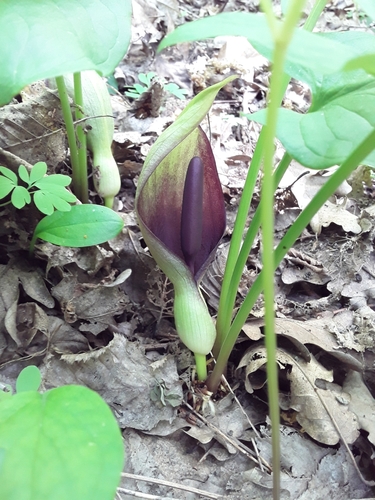
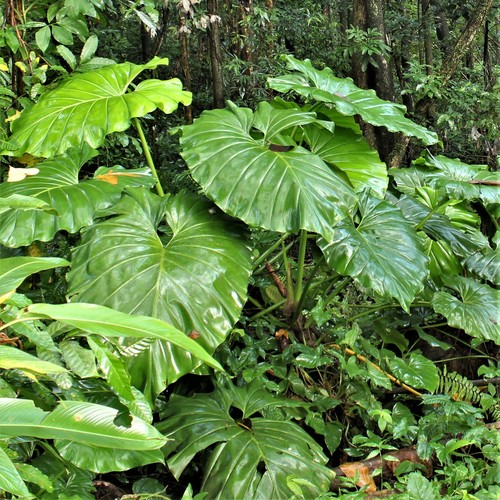
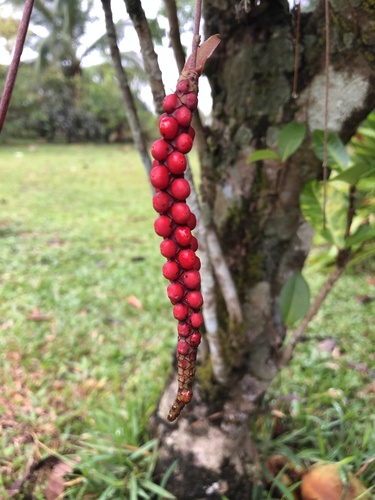
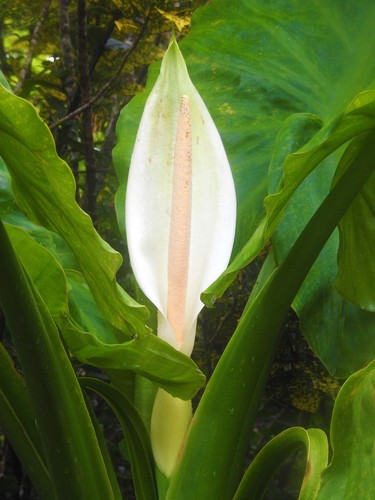
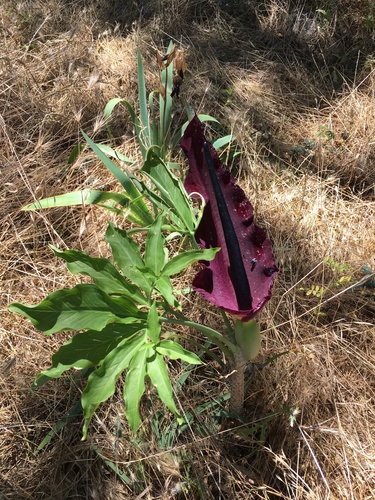
Dracunculus vulgaris Schott, commonly called dragon lily, is characterized by a large purple spathe and spadix. It produces a very unpleasant smell similar to rotting meat, which attracts pollinator flies including species of the genus Lucilia and other types. This plant has large palmate leaves that sometimes feature cream-colored flecks along their veins. Dragon lily can heat itself to 18 degrees Celsius. This heating ability is not connected to the plant's strong scent, but it increases comfort for insects that come to pollinate it. The entire plant is large in size, with a correspondingly large internal floral chamber and a broad landing area suited for insects. During the period when its stigma is receptive, the spathe and floral chamber guide insects into the plant. The flower does not close completely, but sticky chamber walls make it hard for insects to climb out. After pollen is shed, the plant releases the trapped insects. After one full day, the spathe begins to wither, and the trapped flies or beetles can leave freely. Dracunculus vulgaris has been introduced to northern Europe, Australia, and North America. In the United States, it is found in Kansas, Oregon, California, Washington, South Carolina, Tennessee, Kentucky, Michigan, Ohio, and the commonwealth of Puerto Rico. In Canada, it has been grown in the province of Ontario and in Vancouver, British Columbia. This plant can tolerate partial shade, though it grows best in full sun. It can survive drought conditions, but it benefits from light occasional watering. It prefers humus-rich, well-drained soil.