About Dorosoma petenense (Günther, 1867)
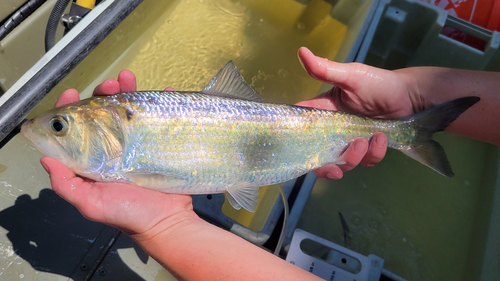
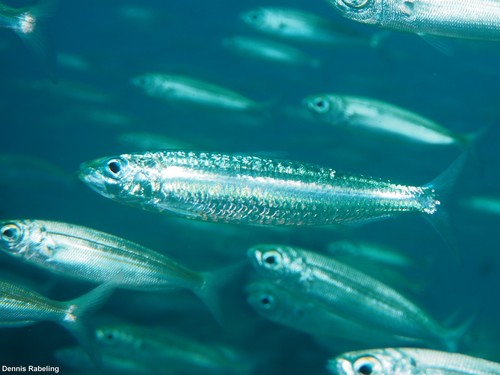
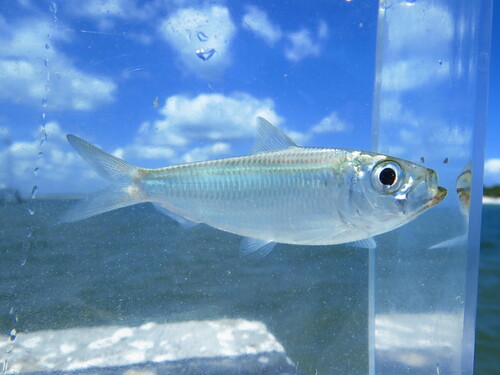
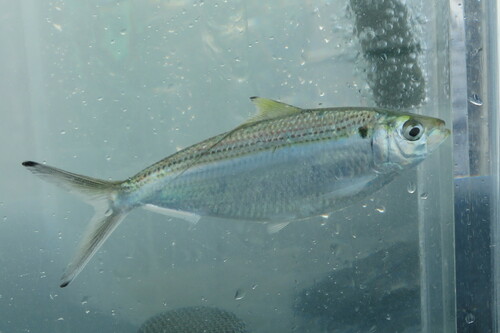
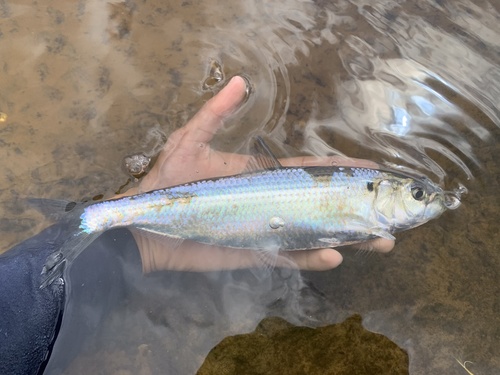
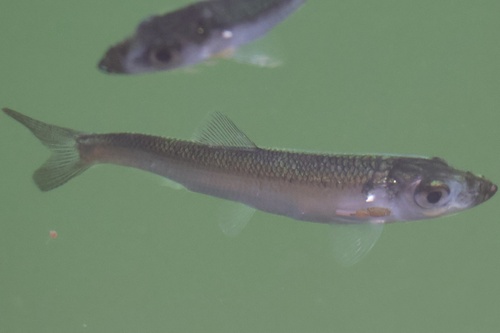
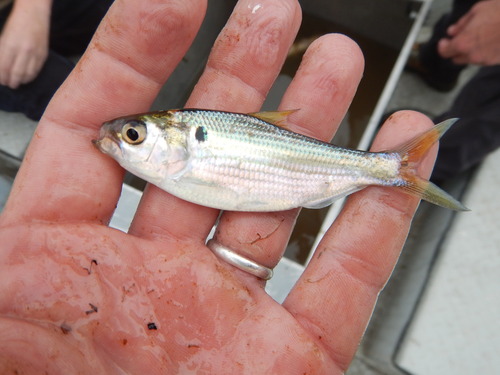
The scientific name of threadfin shad is Dorosoma petenense (Günther, 1867). Adult threadfin shad reach a maximum length of 7–8 inches (18–20 cm), though most individuals are about 1 inch (2.5 cm) long, and they have yellowish fins. This species is native to the United States, in regions west of the eastern Appalachian Mountains, spanning the Mississippi basin, along the Gulf of Mexico, and extending south to Belize. It thrives best in large lakes and rivers. Dam construction has created new reservoirs that provide additional habitat for the species, and rising temperatures in northern lakes have also contributed to an expansion of its native home range. Threadfin shad have been introduced outside their original range as supplemental forage, and established populations now exist on the American West Coast from Oregon south to San Diego Bay and the Gulf of California. Threadfin shad lead a pelagic lifestyle in natural lakes, reservoirs, and large streams. In addition to freshwater habitats, they also occupy brackish waters including estuaries and lagoons. They prefer areas with limited vegetation. They can be found at depths up to 50 metres (160 ft), and move between deep water during the day and shallow areas at night. Both young and adult threadfin shad feed on a variety of planktonic organisms and organic debris. Many researchers think threadfin shad often compete for plankton with young-of-the-year predator species, particularly largemouth bass. At the same time, threadfin shad is a very important food source for many game fish including largemouth bass. Little is known about its overall competition, but gizzard shad (Dorosoma cepedianum) is one documented species with a similar lifestyle.