About Dipodomys californicus Merriam, 1890
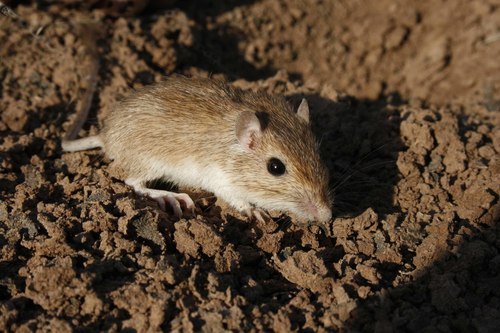
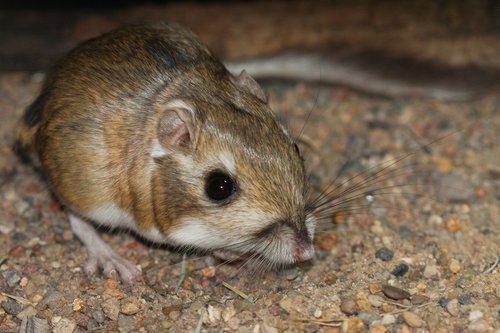
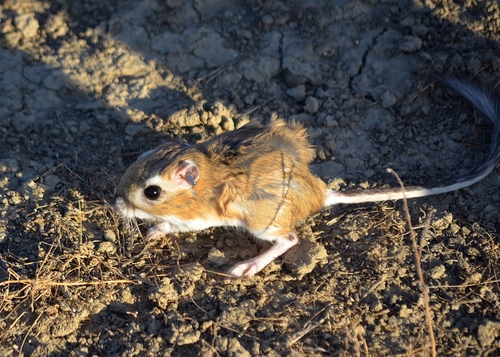
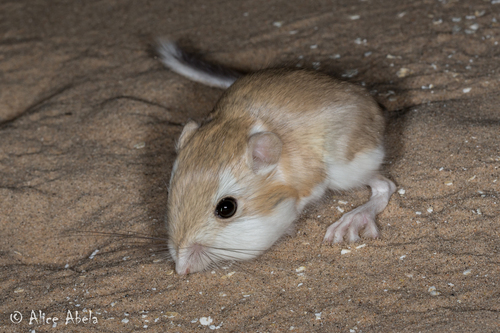
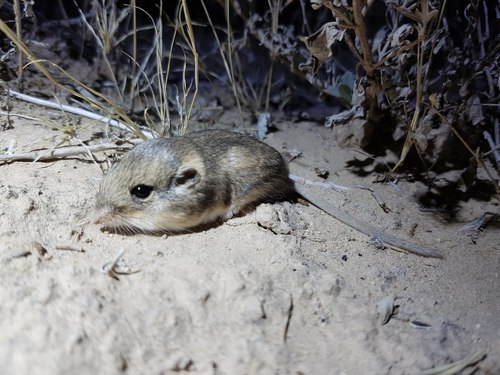
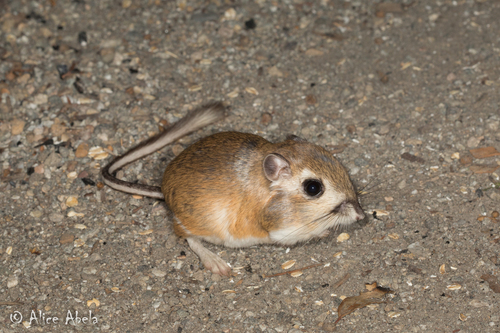
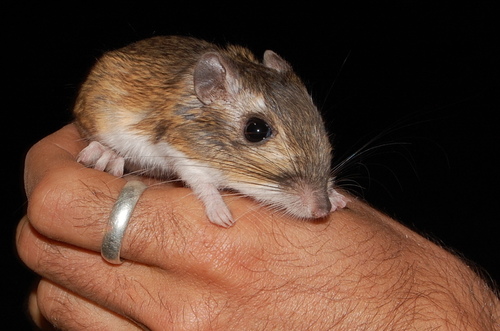
The California kangaroo rat (Dipodomys californicus) is a rodent species in the family Heteromyidae. Its populations are currently declining, and have not fully recovered after the 2013–2015 California drought destroyed their native grassland habitat and converted it to desert. This species is endemic to western North America, and is naturally found in Northern California and southern Oregon. Its native range extends from the Sierra Nevada foothills to Suisun Bay, and north along the California Coast Ranges to the foothills of the Cascade Mountains. As of 2020, populations of the California kangaroo rat have been recorded in northern Nevada at elevations between 1627 and 1900 meters. This sighting is both the easternmost documented occurrence of the species, and the highest elevation at which the species has ever been recorded. California's Kangaroo Mountain is likely named after the California kangaroo rat. The California kangaroo rat is listed as Least Concern by the IUCN. This classification stems from its relatively large home range and extensive distribution. Its populations also remain stable because the species is adapted to survive in harsh climates that have seen little human encroachment or infrastructure development. Where populations do occur within or near human settlements, this species occupies an ecological niche that is much less disruptive to humans than house mice or common rats. California kangaroo rats do not scavenge on trash, human food, or human waste, do not nest inside human structures, and do not carry the same pathogens as common mice or rats, all factors that support more stable populations.