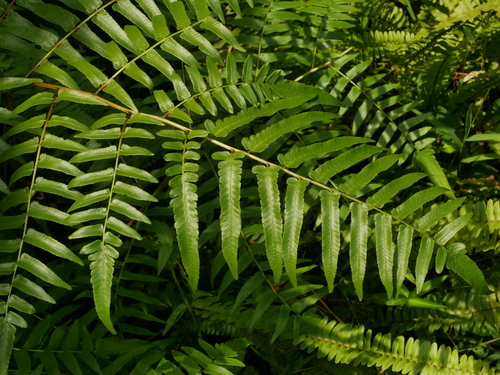
Diplazium esculentum (Retz.) Sw. is a plant in the Athyriaceae family, order Polypodiales, kingdom Plantae. Toxic/Poisonous.

Photo of Diplazium esculentum (Retz.) Sw. (Diplazium esculentum (Retz.) Sw.)
🌿 Plantae ⚠️ Poisonous

Diplazium esculentum (Retz.) Sw.

Diplazium esculentum (Retz.) Sw.

Diplazium esculentum is an edible large perennial fern widely used as a vegetable across many Asian regions.

Family
Genus
Diplazium
Order
Polypodiales
Class
Polypodiopsida

⚠️ Is Diplazium esculentum (Retz.) Sw. Poisonous?

Yes, Diplazium esculentum (Retz.) Sw. (Diplazium esculentum (Retz.) Sw.) is classified as poisonous or toxic. Toxicity risk detected (mainly via ingestion); avoid direct contact and ingestion. Never consume or handle this species without proper identification by an expert.

About Diplazium esculentum (Retz.) Sw.

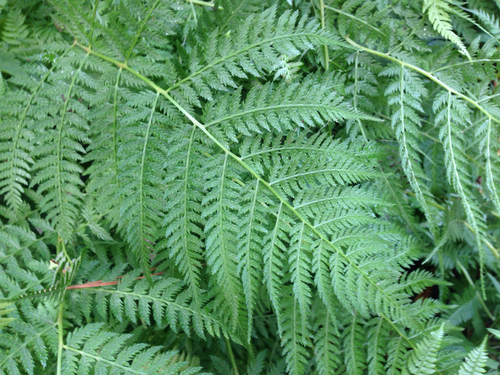
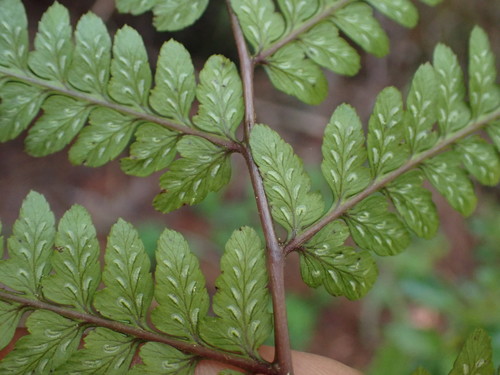
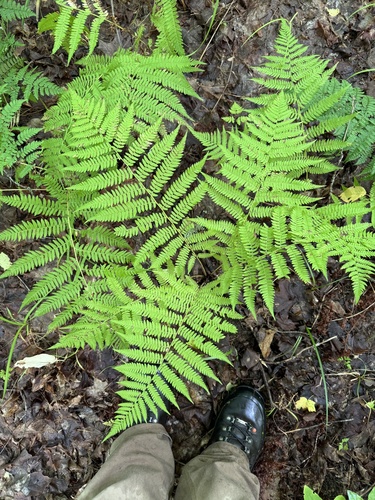
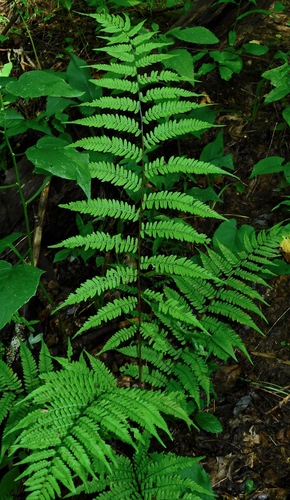
Diplazium esculentum (Retz.) Sw. is a large perennial fern. It has an ascending rhizome around 50 cm high, covered with short rufous scales about 1 mm long. This species is bipinnate, with long brownish petioles; the base of the petiole is black and also covered with short scales. Its fronds can grow up to 1.5 m in length, while pinnae measure around 8 cm long and 2 cm wide. It grows in wet areas of shady valleys. Young fronds of this fern are eaten as a vegetable: they can be stir-fried or used in salads. While they may contain small amounts of fern toxins, no major toxic effects have been recorded. This plant also has recorded medicinal uses. It is known by many regional common names: pakô (meaning "wing") in the Philippines, pucuk paku and paku tanjung in Malaysia, sayur paku or pakis in Indonesia, phak koot (Thai: ผักกูด) in Thailand, rau dớn in Vietnam, dhekia (Assamese: ঢেঁকীয়া) in Assamese, Dhenki Shaak (Bengali: ঢেঁকি শাক) in Bengali, paloi saag (Bengali: পালই শাগ) in Eastern Bengali, ningro in Nepali, dingkia in Boro, and linguda (referring to the curled fronds) in northern India. In Hawaiian cuisine, it is called pohole or hō'i'o. The species is thought to have been introduced and naturalized in Hawaii, where it was first recorded as collected in 1910.
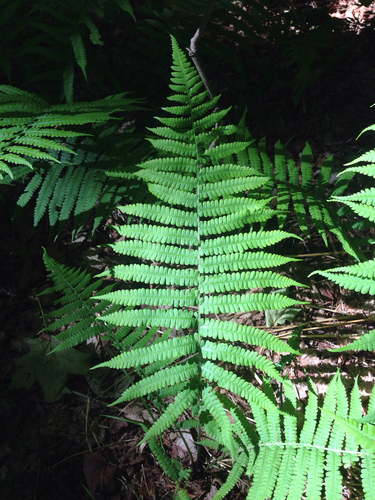
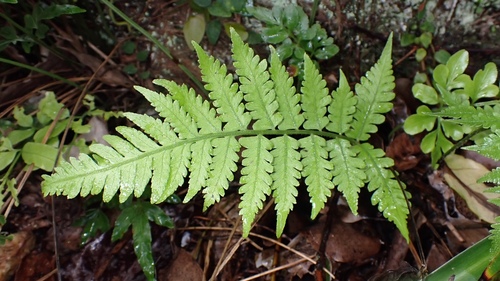
Photo: (c) Jacy Chen, some rights reserved (CC BY), uploaded by Jacy Chen · cc-by

Taxonomy

Plantae Tracheophyta Polypodiopsida Polypodiales Athyriaceae Diplazium
⚠️ View all poisonous species →

More from Athyriaceae

Sources: GBIF, iNaturalist, Wikipedia, NCBI Taxonomy · Disclaimer

Identify Diplazium esculentum (Retz.) Sw. instantly — even offline

iNature uses on-device AI to identify plants, animals, fungi and more. No internet needed.

Download iNature — Free

Start Exploring Nature Today

Download iNature for free. 10 identifications on us. No account needed. No credit card required.

Download Free on App Store