About Diospyros lotus L.
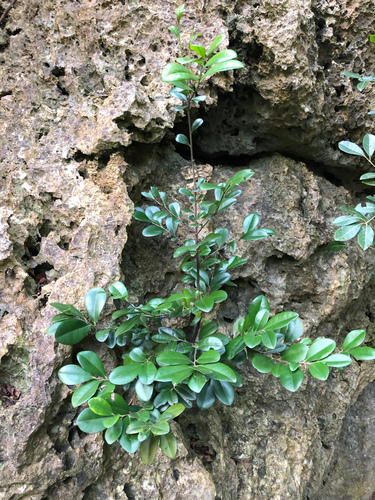
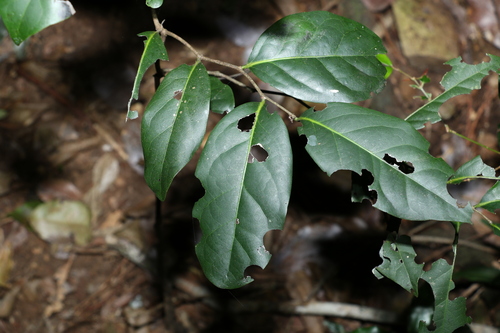
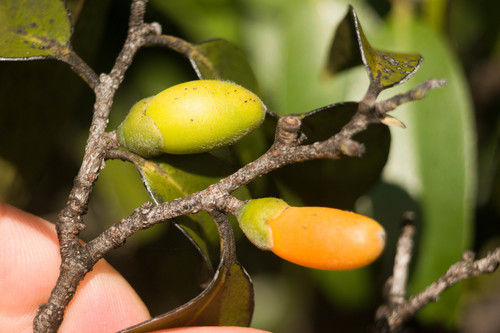
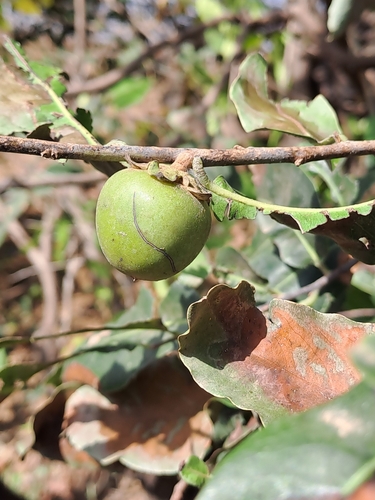
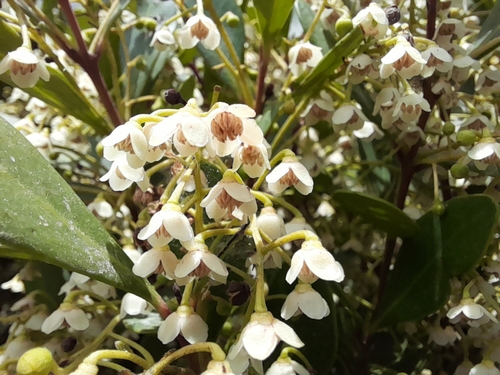
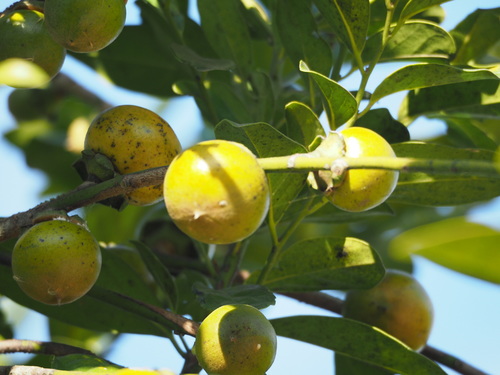
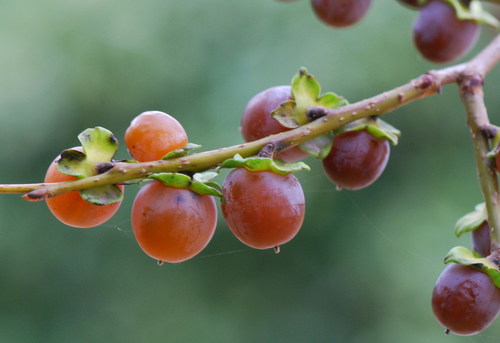
Diospyros lotus L. is a slow-growing tree that reaches 15–30 m (49–98 ft) tall, and most commonly stops growing at 15 m (49 ft). As it matures, it spreads horizontally, and its aging bark sloughs off. Its leaves are shiny, leathery, oval-shaped with pointed tips, measuring 5–15 cm (2.0–5.9 in) long and 3–6 cm (1.2–2.4 in) wide. The small, greenish flowers emerge from June to July. This species is dioecious, so it cannot self-fertilize. Its fruits are berries 1–2 cm (0.39–0.79 in) in diameter, with juicy flesh that turns yellow when ripe, and they ripen from October to November. The seeds have thin skin and a very hard endosperm. The native range of Diospyros lotus L., also called the date-plum, covers southeast Europe and southwest Asia, and its distribution extends from East Asia west to the Mediterranean, reaching as far west as Spain. The genus scientific name comes from the ancient Greek name for this species, "God's fruit" (Διός πυρός, Diós purós). Its common English name likely comes from the Persian word Khormaloo خرمالو, which literally translates to "date-plum", referencing the fruit's taste that is reminiscent of both dates and plums. In Pakistan, the fruit is called Amlok املوک and is consumed dried. This species is one candidate for the "lotus tree" described in The Odyssey, whose fruit was so delicious that anyone who ate it forgot about returning home and chose to stay with the lotus-eaters. In the Caucasus, date-plum trees grow in the lower and middle mountain zones, usually up to 600 m (2,000 ft) above sea level. In Central Asia, they can grow at elevations up to 2,000 m (6,600 ft). They rarely grow in pure stands, and are most often found growing alongside hackberry, ash, maple, and other deciduous species. The species is not demanding in terms of soil conditions, and can grow on rocky slopes, but it requires a well-lit growing environment. It is cultivated at the edges of its natural range, as well as in the United States and North Africa.