About Dioscorea villosa L.
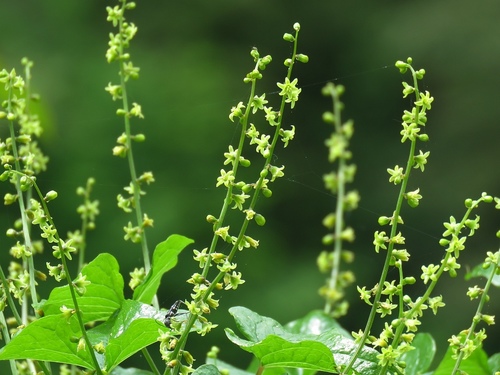
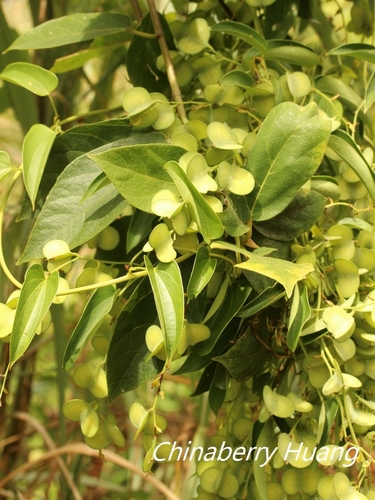
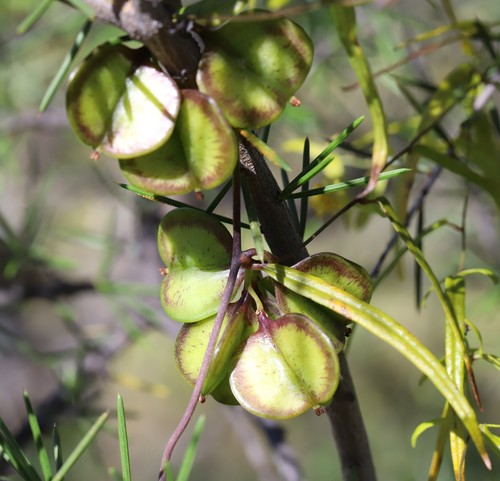
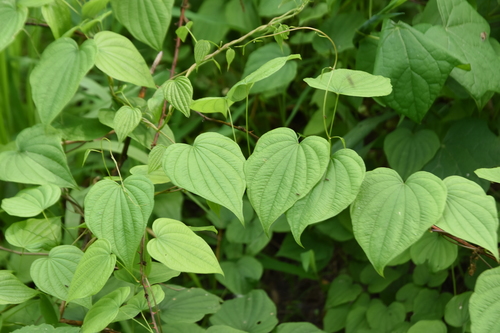
Dioscorea villosa L. commonly has green, brown, or white flower petals, with petal lengths ranging from 0.5 to 2 mm (1⁄32 to 3⁄32 in). Its flowers grow from the axil, the point where a branch or leaf attaches to the main stem, and only one flower is present on each inflorescence. This plant does not produce aerial bulblets. Its fruit is a capsule that splits open to release seeds for dispersal, and the fruit ranges in size from 10–30 mm (3⁄8–1+3⁄16 in). The leaves are heart-shaped, and typically grow in a whorl of four at each node, though whorls can contain up to nine leaves. Some English common names of this plant reference its use in Native American and other traditional medicine. Native Americans in the southeast cultivated this plant. In traditional Russian herbal medicine, saponin extracts from the roots of various wild yam varieties are thought to act as an anticoagulant, antisclerotic, antispasmodic, cholagogue, depurative, diaphoretic, diuretic, and vasodilator. There is very little modern clinical research on Dioscorea villosa. One study of a wild yam-containing cream for menopausal symptoms found no therapeutic benefit. According to the American Cancer Society, there is no evidence to confirm that wild yam or diosgenin are either safe or effective for use in humans.