About Dasineura urticae (Perris, 1840)
This gall midge species has the scientific name Dasineura urticae (Perris, 1840), which is sometimes misspelled as Dasyneura urticae. Its obsolete synonyms include Perrisia urticae and Cecidomyia urticae.
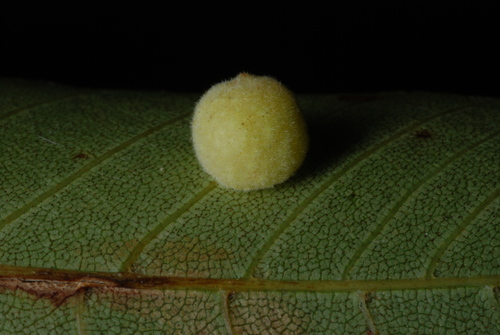
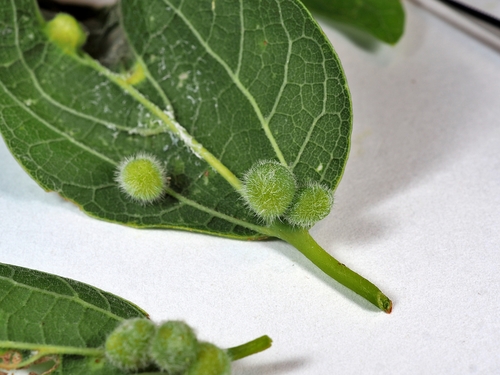
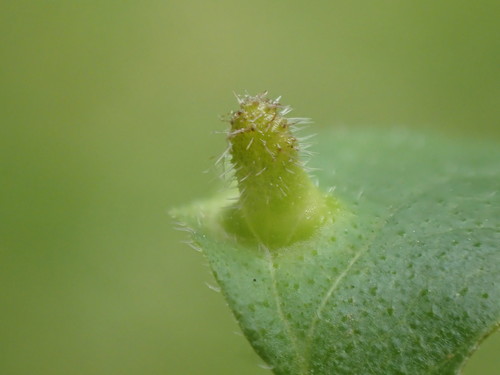
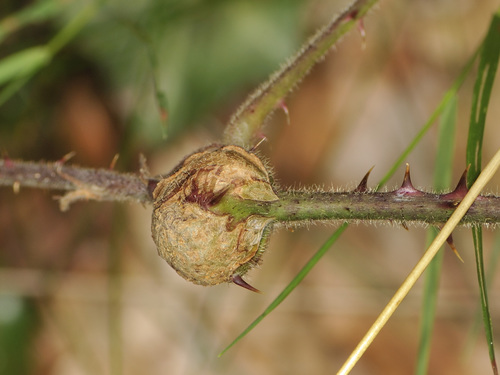
Dasineura urticae is the cause of the nettle pouch gall. Nettle pouch galls develop in the leaf veins, leaf petioles, and flower stalks of Urtica dioica, and less commonly in Urtica urens; galls may sometimes also form on the plant's stem. This gall has a Eurosiberian distribution, being widely distributed across Central and Western Europe, with its range extending into Southern Siberia.
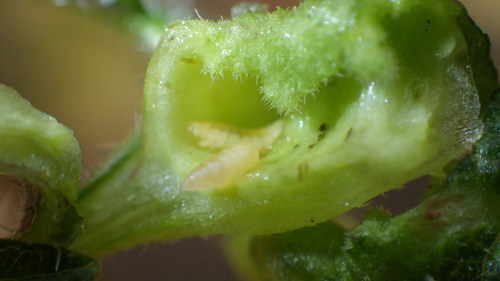
White Dasineura urticae larvae live gregariously inside each gall, feeding on plant cell contents. First generation galls appear in spring. When larvae mature, they leave the gall to pupate in soil. Typically, the species produces two or more generations per year. The last generation of larvae in autumn hibernates in soil over winter, pupates the following spring, and emerges as adults to start the next new spring generation.